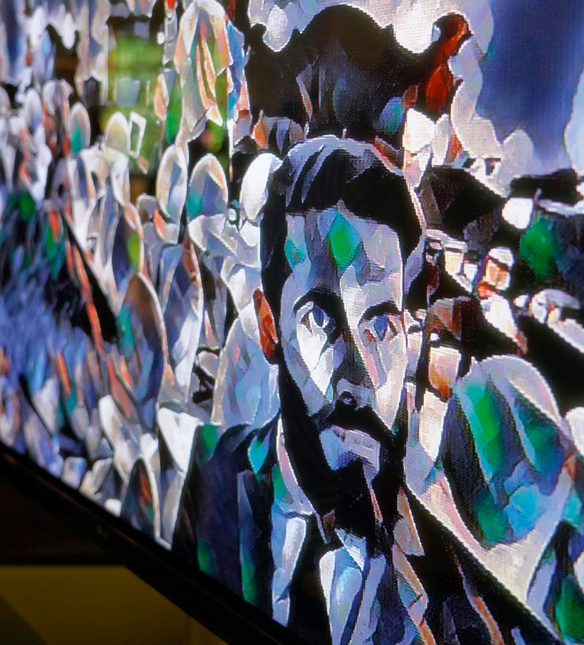
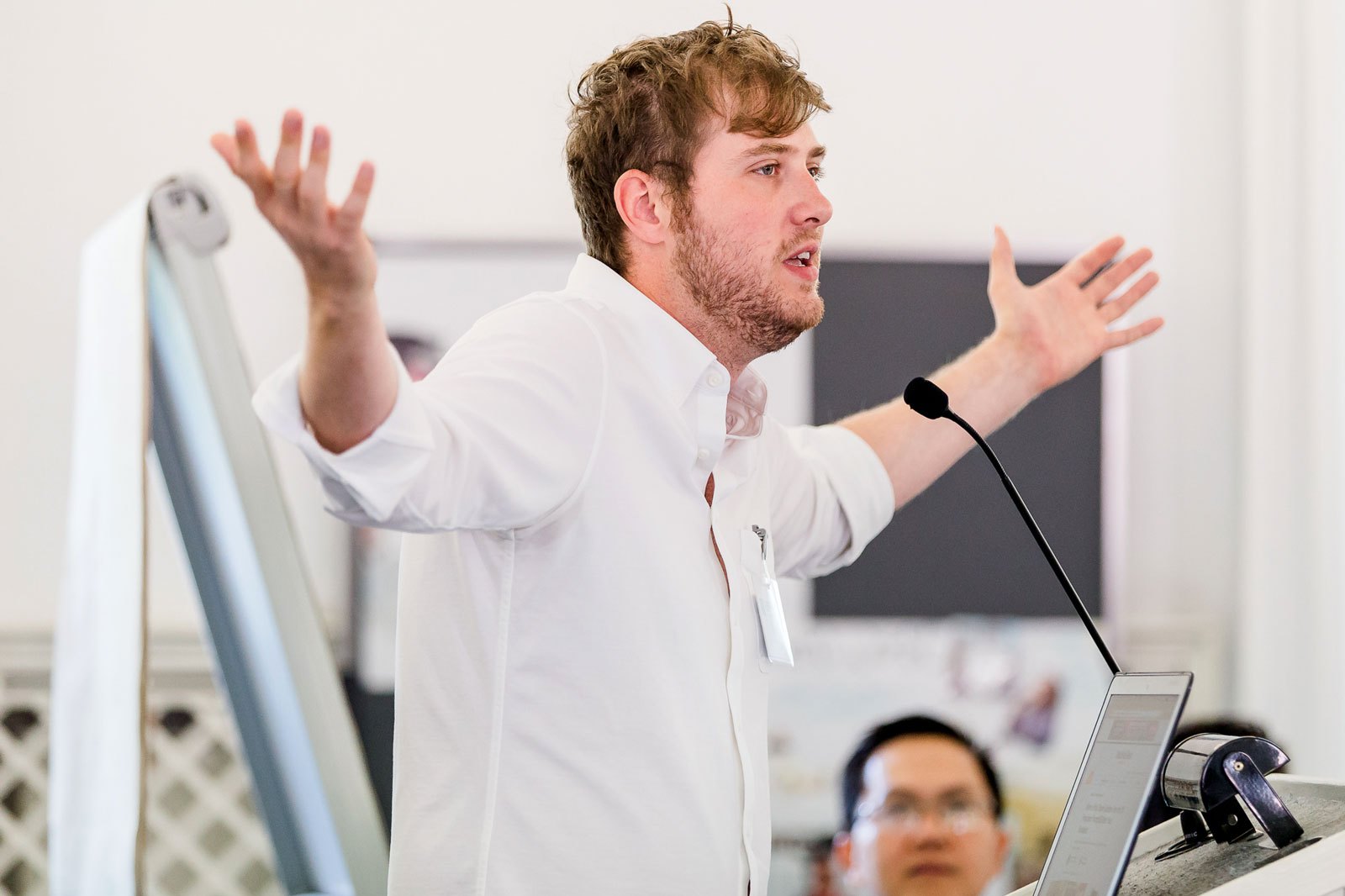
He started out writing about memes as well as breaking international news, and now as a senior reporter at Buzzfeed, Ryan Broderick’s focus is on how internet culture and international news intersect. The “old guard” tactic of reporting on large formal events is out; the “new guard” are instead engaging with their readers while stories from the street are still developing and in motion. “Our generation has a lot of more interest in street-level protesting and political movements and human storytelling,” says Broderick. “People want context; they want to understand why people care about this stuff; they want to hear from people. It’s a very different… philosophy.”
You’ve spent six years at BuzzFeed; what are the biggest changes you’ve seen?
I would say very little is the same… In six years my job is totally different; my point of view on the world is totally different; I think BuzzFeed’s idea of itself is totally different. When I started, we had a small beginning news operation. The big idea was: do some politics, write a few news stories… [Write] lists and quizzes and fun articles and blog posts and just have a good time and make stuff people want to share. Over the last six years, every time we’ve come up against a thing where we’re like, “Oh we’ve never done this before.” Instead of saying “Well, let’s not do it,” we’ve just said, “Well, let’s try it”… We invest in things that we find interesting and we’re not afraid to scrap stuff we don’t.
Why did Buzzfeed launch a spin-off site just for news?
In this new really hyper-competitive, hyper-intense media world, the need for kind of saying to people, “This is a news story, this is factual, this is non-fiction, this is real, this isn’t fun” was worth doing, and it was worth making that distinction for people. And I think it’s a good idea…
I saw a journalism professor tweet, “I’ve been telling my students for years that this was a good idea. Finally, BuzzFeed is respectable!” Like... seriously – if you can’t handle the fact that your news article is touching a story for a young woman in the sidebar, you have much bigger problems than the design of BuzzFeed.com.
Fake news is a global problem. How can we begin to tackle it? How do countries come together to tackle a problem that has no borders?
On a practical level, I have no idea. On a philosophical level, I think it just comes back to if enough people want it, it will happen.
If people want reforms for information technology, they will happen... The problem and the “big if” is if people want real news. I would like to believe that they do, but... I think, for the most part, people think that they want the truth until the truth is something that makes them feel bad, and then they don’t want it.
Most people on a day-to-day basis don’t even want to think about whether their news is real or fake, but in most societies that lose the ability to tell what is real or fake in their news bad things follow.
All these things are giant “what ifs?” that I don’t know, but there are things that are happening that are promising... The EU [and its] fights with Google and Facebook are good, India’s fights with Facebook are good, the UK has been sort of successful in certain ways in dealing with Cambridge Analytica once they discovered it… I think we’ve got a couple years’ worth of watching... We’ll see.
How do journalists reach parts of societies who instantly dismiss their outlets as fake? Where does that conversation begin?
Report the truth, build credibility, be transparent with your readers... When I say be transparent, I don’t mean take a camera into the newsroom and film journalists at their computers… We use a term internally at BuzzFeed called “showing your work,” which is like, if you come to a conclusion in your piece it should be clearly understandable by reading your piece how you got to that conclusion… If you write your stories like that, readers aren’t confused, and they can figure out how you got to that point so at least they can get mad at you for the facts.
Previously, you were a Buzzfeed comment moderator. What was your biggest take away from that experience in regard to internet culture? Has that influenced your approach to news writing at all?
Yeah, it totally influenced it. Basically, I just started to realize that the internet was a series of communities that basically would fight with each other. So, I became really interested in the anthropology of the internet – the sociology of the internet. When I write stories I’m always thinking about “Okay, what is this group? How are they built? And how are they colliding or not with another community?” The best stories in my mind are when like one community accidentally slams up against another and then you have tension there. I think a lot of great stories are like this one part of the internet accidentally [colliding] with another and now we all have to deal with it... A lot of stories right now are between social groups, and I think the internet is creating that because it’s so easy to form a social group.
I think the internet brings people together, you can then form a little community, and then those communities can fight with each other… It might not stay that way but for right now… that’s what I learned as a community moderator. Once you can look for the communities, then you can find cool stories.
There are many reasons to be pessimistic about the future of journalism. In your opinion, can we be optimistic?
We are at a time of unparalleled creativity… You can tell a story in a million ways. You can tell a story with a live video – with an edited video. You can tell a story with a photo album, you can tell a story with a list, or a long-form essay, or a breaking news post or a huge retrospective long-form feature piece. There are so many ways to tell a story right now that it’s like you should never be bored. You could tell a story on a Twitter thread! A super viral Twitter thread. You could tell a story in one Facebook post; you could tell a story in a YouTube channel… There are so many options. It’s up to journalists to learn how to use them because bad actors are doing it faster.
The fact that media organizations are dragging to keep up with that is embarrassing. Because it’s not complicated – these are all free things. It doesn’t cost any money to start a YouTube channel and then take your 22-year-old news desk person and say, “Can you vlog the news story for the next five days?” [A colleague] is trying an experiment on Instagram where if users ask questions a lot in the comment section of a post, she’ll then bring on one of our reporters, and they’ll just like do a Q&A on Instagram, and the engagement is huge!
It’s a really exciting time to do a million things… So that I’m optimistic about.
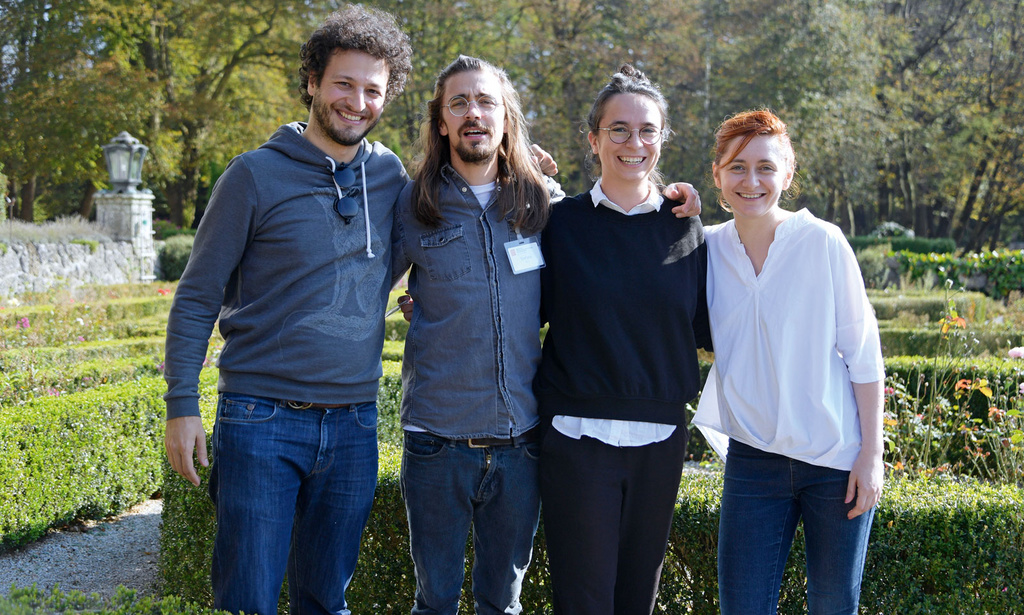
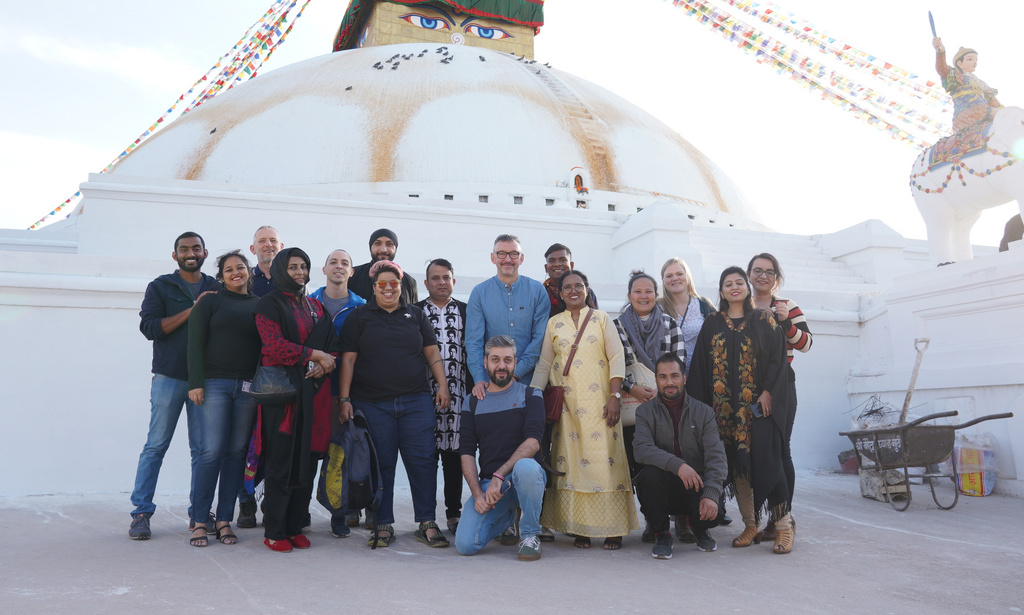
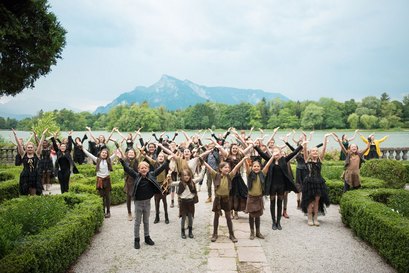
Ryan Broderick was a guest scholar at the Salzburg Academy on Media and Global Change, which in 2018 focused on Re-Imagining Journalism: News and Storytelling in an Age of Distrust.