Salzburg Global

KFAS-Salzburg Global Leadership Initiative

Uncertain Futures and Connections Reimagined: Connecting Generations

explore

Authors: Subindra Bogati, Dongkyu Chang, Donghyun Danny Choi, Rosakebia L. Estela Mendoza, Vera Fonseca, Manuel García Huitrón, Rhydhi Gupta, Zuki Hlwatika, Bina Jeon, Yoonjin Kim, Antonio Carlos Lessa, Parag Mankeekar, Seroshi Nandasiri, Albert Sanghoon Park, Pavlos Petidis, Rajnish Prasad, Ian Ryu, Adam Sharpe, Marian Grace Ticzon, Hideo Tone, Jenny Wood

Features Writer: Christopher Hamill-Stewart

Editor: Louise Hallman

Director – Culture, Salzburg Global Seminar: Faye Hobson

Program Manager – Culture, Salzburg Global Seminar: Paula Ferreira Martins

Head Manager, Korea Foundation for Advanced Studies: Yewon Kim


Program Partner: Korea Foundation for Advanced Studies (KFAS)

Overview

In 2023, the Korea Foundation for Advanced Studies (KFAS) and Salzburg Global Seminar joined together to launch the KFAS-Salzburg Global Leadership Initiative to equip Korean and global leaders with the necessary skills to address the challenges posed by our rapidly changing world.

The three-year initiative will consider our shared uncertain futures and reimagine the connections needed for our societies to continue to thrive—connecting generations, technology and cultures.

Each year will follow one of those key themes, convening a new cohort of Korean and global leaders poised to address the complex and intersecting challenges. The first edition of this report was published in 2024 and will be revised and updated throughout the three-year initiative, sharing not only the Fellows’ own perspectives on these challenges but also their proposals to address them and their projects’ subsequent impact.


Introduction

Overview

Year 1: Connecting Generations

Themes

Intersecting Challenges

Next Section | Demographic Transition


Year 2: Connecting Technologies

Year 1: Connecting Generations

For the first year of the Initiative, the theme was Uncertain Futures and Connections Reimagined: Connecting Generations. 

There is a pressing global need to better connect generations as we navigate the complex challenges of the modern world. Through a year-round series of virtual sessions and an annual gathering in Austria, the KFAS-Salzburg Global Leadership Initiative is a global knowledge platform for mutual learning and exchange, where leaders at junior and senior levels, can share the current global and local issues they are facing, and develop and disseminate innovative action plans.

The failure to better connect generations poses significant risks and challenges for individuals, communities, and societies at large. By not prioritizing intergenerational connections, there is a risk of deepening generational divides and conflicts, hindering social cohesion and collective progress. The lack of understanding and communication between generations can lead to missed opportunities for learning, mentorship, and the transfer of valuable knowledge and experiences. Moreover, failing to bridge the gap in diverging values may result in increased polarization, intolerance, and social fragmentation.

Goals

This program aims to equip leaders with the necessary skills to address the rapidly changing world and the major global challenges we face today, including geopolitical tensions, climate change, demographic changes, and technological advancements. 

Skills required for leaders to navigate these challenges include visionary thinking, cross-cultural communication, interdisciplinary awareness, digital literacy, collaborative leadership, and global citizenship.

Leaders with these skills can bring together diverse groups of people, bridge gaps between different disciplines, cultures, and ways of thinking, anticipate future challenges, and develop robust strategies to address them. They can also promote mutual respect, harness the power of technology, foster partnerships and alliances, navigate uncertainty, embrace change, and work towards the common good. By developing these skills and working together, we can build a better future for ourselves and future generations.

By better connecting generations, we can ensure a transference of diverse perspectives and ideas to foster innovation, and the development of sustainable solutions to global challenges. We can harness the wisdom and experience of older generations while empowering younger generations with the tools and knowledge to shape the future. Ultimately, by better connecting generations globally, we can work towards a more harmonious and sustainable future that leverages the strengths and perspectives of all age groups.

Outcomes

This report presents each thematic working group’s framing of the challenge they seek to address, followed by their proposed project (see “Proposals for Action”). Impact updates will be added in October 2024. Contact details for each of the projects are included if you would like to find out more and support the projects going forward.

Themes

Uncertain Futures and Connections Reimagined: Connecting Generations addressed the following intersecting five themes:

1Demographic Transition

Addressing the challenges and opportunities brought by aging populations, declining fertility rates and shifting population structures.

2Financial Sustainability

Ensuring economic stability, resilience, and equitable distribution of resources across generations.

3Diverging Values

Fostering dialogue and understanding between generations, seeking common ground while respecting diversity and evolving societal values, beliefs, and cultural norms. 

4Immigration

Examining the impact of migration on societies, economies, and intergenerational relationships and exploring strategies to facilitate integration, foster social cohesion, and harness the benefits of cultural diversity.

5Intergenerational Mobility

Analyzing the opportunities and barriers for social and economic mobility between generations and reconsidering our concepts of human progress.

Intersecting Challenges:
Connecting Generations

From climate change to technology and political instability, the pace of change today outstrips anything seen before. Global megatrends—positive and negative, or somewhere in between—are acting on us in ways both seen and unseen. 

BY CHRISTOPHER HAMILL-STEWART

The future is uncertain, but by strengthening connections between generations, building bridges between demographics, nurturing leaders who represent their communities effectively, and seeking intersectional solutions, we can position ourselves to confront challenges head-on and ensure we are ready to capitalize on the opportunities set to come our way. 

To manage global demographic transition (a key megatrend that does not receive as much attention as the technological revolution or climate change), we must start now to cultivate leaders and communities who are ready to respond.

For the first time in history, a growing number of countries worldwide are set to have more old people than young. Those young people will shoulder an ever-growing weight of responsibility for the generations that came before them. South Korea is perhaps the archetype: It has the lowest birth rate in the world, and if nothing changes, the population will halve by 2100. But South Korea is far from unique—even in places largely viewed as the planet’s future (many of them in Africa), when it comes to the birth of new humans, fertility rates are falling quickly.

The more we dig into the ramifications of this global megatrend, the clearer it becomes that work to prepare for this new world must begin today.

The burden of ensuring financial sustainability in our old age, paid out through state and private pensions, is escalating rapidly and pension reform is needed now—not decades down the line, even if that means shouldering short-term costs now to ensure long-term sustainability in the future. 

But this is not simply about what happens when a society gets old; the issue is far more significant than that alone. We must also ask what happens as a consequence of diverging values between older and younger generations. China is already beginning to grapple, unwillingly, with this question: the country’s youth are increasingly “lying flat,” mentally checking out of the workforce as a result of the expectations and burden of responsibility placed on a generation of single children by their aging parents. In India, novel ways of generating intergenerational empathy to address this divergence are being explored.

Connected to demographic change and diverging values is the constant state of near-unrest experienced in many countries because of a failure to reach a consensus on immigration. Not least in the European Union and its member states—despite the continent desperately needing more workers and benefitting from their arrival. This lack of consensus plays into the hands of populist politicians, most recently demonstrated in the Netherlands, who draw their influence from anti-immigrant sentiment. As the “old continent” ages further, continuing to welcome people from outside the EU is necessary to ensure the bloc’s financial sustainability—not to mention its social and cultural enrichment. Progressive policymakers and politicians alike need new positive counterarguments to those propagated by anti-immigrant populists.

Many of these challenges feel greater still in the face of poor intergenerational mobility, which has long been calculated based on economic measures such as increased earnings over generations. However, as wages stagnate and our concept of a good life and personal and communal well-being shift, this metric feels outdated and needs reimagining. If not, we risk younger generations despairing of the lack of “progress” they are achieving, further compounding intergenerational and intercommunal tensions.

Managing these demographic, economic, and political tensions as social values diverge is already proving a point of deep contention, but the good news is that they are not insurmountable. Current and future leaders are already working—independently and collectively—to overcome them, and in doing so, are laying the foundations of a just, equitable, and sustainable future for their communities.

For example, take Vera Fonseca, who is mainstreaming gender issues in her work at Portugal’s High Commission for Migration. Her intersectional approach—acknowledging that migrants are not one homogenous group but individuals with challenges in their own lives and unique contributions they can make in their new home countries—shows how government agencies can manage migration more humanely. Doing so is not just morally right, but it delivers the most material benefit to both the individual immigrant and the society they join.

Poet and activist Rosakebia Estela Mendoza has worked as a cultural mediator for over a decade, bridging differences between cultures and generations in his native Peru, current home Japan, and elsewhere. He has advocated for his community’s accessibility to clean drinking water in the European Parliament and worked alongside communities and organizations to find common ground to move forward together. This has meant aiding older generations to become more digitally savvy, for example, or helping younger generations to access and appreciate their elders’ knowledge.

And in the UK, Jenny Wood, who co-directs children’s organization A Place in Childhood, brings young people into the process of designing their own spaces. She empowers them to be actors in their own lives—an experience that will serve them well for years to come, in a world that too often fails to listen to the people set to inherit it.

Whether in a community-based organization or large public institution, empathetic leaders like Vera, Rosakebia, and Jenny will be key as we navigate the coming transition of demographics, values, and economies. They—and their fellow Salzburg Global Fellows in the KFAS-Salzburg Global Leadership Initiative—are just the tip of the iceberg of the work going on today to not just prepare for the uncertain future we face but to proactively build the sustainable future we want. 

They show that we are not simply the subjects of global megatrends but architects of our own future. They and many like them are already leading in rebuilding shared values. They are prioritizing human rights and the rights of minorities in their work. They are mainstreaming gender. Together, these leaders are ensuring that the challenges we face do not come between us—but rather draw us closer to each other.

Demographic Transition


scroll down

Addressing the challenges and opportunities brought by aging populations, declining fertility rates and shifting population structures

The Aging with Dignity Agenda:
Pioneering human rights-based innovations for an aged world

An aging population raises challenges—but it can also offer opportunities for a social paradigm shift. 

BY SUBINDRA BOGATI, ROSS L. ESTELA MENDOZA, MANUEL GARCÍA HUITRÓN, RAJNISH PRASAD AND ADAM SHARPE


The shift toward an aging global population is a phenomenon that transcends national boundaries. Presently, 70% of the world’s population resides in countries where fertility rates have plummeted below the replacement level, according to data from the World Bank. A landmark study published in The Lancet in 2020 forecasts a dramatic demographic shift, predicting that nearly all nations will see their populations halve by 2100. But as we navigate this global shift, it is crucial to recognize that aging is not merely a challenge to be managed but a significant opportunity to be seized.

There is no question that this unprecedented trend raises pressing questions about sustainability, not least: can nations continue to provide essential services such as pensions, healthcare, and long-term care in the face of aging-driven fiscal pressures? 

Economically, the aging population imposes strains on resources, sparking generational tensions in diverse regions from Latin America to Europe and Asia. These challenges vividly underscore the struggle to harmonize the needs of an aging adult population with the economic and social vitality of younger generations. However, the implications of this demographic evolution are not limited to economic considerations alone: They span a wide array of dimensions, including social, cultural, environmental, technological, infrastructural and political.

Societies worldwide are thus confronted with a multifaceted challenge that tests our collective ability to adapt and flourish amidst change. While some governments have endeavored to bolster fertility rates by implementing policies to safeguard well-being, dignity, and equity, human rights considerations often remain sidelined. Whether under egalitarian or authoritarian regimes, a sustainable formula for reversing the decline in fertility rates remains elusive.

Adopting a more positive, opportunity-seeing perspective necessitates a pivot toward more innovative, inclusive, human-rights-anchored and sustainable policy formulations that address the immediate economic impacts and consider the broader societal adjustments required for a world that respects and values its aging population.

Aging as an opportunity

The narrative surrounding aging is often framed in terms of its challenges. However, a growing body of research argues for a paradigm shift that recognizes aging as not just a societal challenge but a valuable opportunity. This perspective emphasizes the importance of active aging and participatory approaches, advocating for policies that engage older adults meaningfully. It suggests a move toward acknowledging the responsibility of individuals for their aging process while also highlighting the need for societal structures that support diverse forms of participation—both active and passive.

The emphasis on participatory methods is crucial. Policymakers should be encouraged to engage with older individuals through diverse and inclusive approaches to genuinely understand what meaningful participation entails for this demographic. Such engagement is not only about soliciting feedback but integrating older adults’ varied experiences and insights into the policymaking process. 

For instance, initiatives like the Aging and Policy Making in Korea project have shown the value of incorporating individual perspectives to create more effective and responsive policies. Innovation plays a key role in reimagining the future of aging. The People Power Foresight Game, for example, is an innovative tool that fosters intergenerational dialogue and collaboration. The game crafts plausible future scenarios by allowing participants to draw from decks of Policy, Culture, and Technology cards, encouraging strategic thinking and creative problem-solving. This game exemplifies how innovation can bridge generational divides, creating spaces for collective intelligence to flourish and envisage solutions to demographic challenges.

We need to fight ageism in the workforce by ensuring older adults remain engaged and valued in the labor market. This goal calls for strategic support for employers to eliminate age-related biases and integrate older workers as integral members of society, fostering an environment where they are treated equitably and recognized for their contributions. To complement this, adopting human-rights-proof  pro-natalist policies could enhance fertility rates, thereby strengthening the future labor force and achieving a demographic balance. These measures aim to nurture a family-friendly atmosphere, from financial incentives for new parents to providing childcare facilities. Moreover, the proposition to augment the local workforce’s quality through technology underscores the importance of policies that evolve with the labor market’s changing needs.

Aging populations can be seen as an opportunity to foster more prosperous and equitable societies. This would require a comprehensive re-evaluation of retirement concepts, pushing for policies that endorse a lengthy, healthy, and adaptable working life alongside safeguards for those who cannot continue working. This approach spans crucial policy areas such as health care for the elderly, inclusivity in the labor market, skill re-skilling and up-skilling, and pension reforms, emphasizing the necessity for a supportive infrastructure that accommodates the aging population’s diverse needs. 

The situation in the Republic of Korea, facing the challenges of a super-aged population, further illustrates the need for demographic policies that address the specificities of aging in different contexts. The traditional methods, like fertility enhancement, have fallen short, particularly in rural areas affected by urban migration and demographic decline. South Korea’s shift towards a predominantly older population highlights the demand for innovative and sustainable strategies to manage the implications of this demographic transition, including healthcare and financial support for the aging society. Crafting policies sensitive to the unique aging patterns and requirements of rural and urban areas is paramount for providing all-encompassing support for the nation’s elderly, showcasing the global imperative for adaptable and forward-thinking demographic policies.

A global platform

A global platform is needed for consolidating efforts, insights, and actions aimed at navigating demographic shifts and fostering dignified aging globally. This platform would serve as a nexus for policymakers, scholars, social innovators, and engaged citizens worldwide to form strategic alliances, share knowledge and resources, and bolster initiatives that champion the cause of dignified aging. Through such a collaborative environment, the platform would empower participants to shape influential policies and stimulate ground-breaking research that addresses the nuances of aging in various demographic settings. Its core mission would be to ensure that aging populations worldwide are met with policies and innovations that uphold their dignity, rights, and well-being, demonstrating a unified commitment to transforming the challenges of demographic transition into opportunities for societal advancement.

ARTICLE CO-AUTHORS

Subindra Bogati, Founder & CEO, Nepal Peacebuilding Initiative, Nepal

Rosakebia L. Estela Mendoza, Founder, Silver Passport, Peru 

Manuel García Huitrón, Co-founder & Global Chief, Economics, Strategy, and Operations, Nuovalo, Chile

Rajnish Prasad, Programme Specialist - Gender Equality & HIV/AIDS, UN Women, Thailand

Adam Sharpe, Founder & Futurist, People Power Foresight / Futurely, Thailand


PROJECT PROPOSAL

For the project proposal from the Demographic Transition working group, see “The Demographic Transition Forum”.

South Korea’s fertility rate should be a warning to the world

With a birth rate well below the replacement rate, the Republic of Korea’s population could halve in just 50 years. Other countries must take note.

BY CHRISTOPHER HAMILL-STEWART

Among the global megatrends at play today, from climate change to rapid urbanization, demographic transition does not often get the attention it deserves—but one of the greatest challenges facing humanity in the coming century is that we simply don’t have enough young people.

Despite the world population topping 8 billion in 2022, global fertility is projected to fall from 2.3 children per woman in 2021 to 2.1 (the replacement rate) in 2050. Across the OECD (a group of 38 mostly high-income countries), the population aged 65 and over is projected to spike from 17.4% in 2017 to 27.1% by 2050. One in 10 people will be over 80. Meanwhile, the expanding BRICS bloc of (mostly emerging economy) countries must navigate the challenge that their members “will be old before they are rich.” 

The burden of supporting this swelling aged population, as it stands, will fall on the ever-shrinking number of working-age people. 

South Korea, with the lowest fertility rate in the world and a rapidly aging population, is the canary in the coal mine of this global challenge. South Korea’s fertility rate hit its lowest-ever point of 0.72 births per person in 2023. That’s far below even Japan, which currently sits at around 1.2 births per person—and well below the fertility replacement rate of 2.1.

Fitch Ratings warned in 2022 that “demographic pressure presents headwinds to potential growth over the long run.” “Headwinds” is an understatement.

Manuel Garcia Huintrón, a demographics expert who sits on several pension advisory boards and co-founded pension start-up company Nuovalo, says: “With the 0.7 rate, it will take South Korea 50 years to halve its population—and then another 50 years to halve it again.”

The problem is exacerbated by an aging population, he explains, which raises health and social care burdens and stresses traditional mechanisms like pensions. It upends the intergenerational assumption that a larger working-age population will support a smaller retired populace—and receive, in turn, the same level of care when they retire. For the first time in history, that assumption no longer applies in many countries worldwide.

The extent of the societal consequences is unclear—but intergenerational pressures are emerging. For example, younger buyers are losing out in the competition for limited housing stock, a phenomenon that contributes to the fertility crisis due to the lack of housing fit to raise a family.

For South Korea and other countries like it, one option to slow demographic change is to bring in young workers from abroad.

“Immigration can be part of the solution,” says Garcia, caveating, however, that there are “societal changes that need to take place, so people really need to start to start welcoming immigration.”

Other countries are already leveraging immigration. The UK, for example, sits at a fertility rate of 1.6 but brings in hundreds of thousands of workers every year to maintain its taxpaying population. (Though this is not without significant political and social consternation.) Korea has already begun to loosen restrictions on foreign workers in the country, but immigration “cannot be the whole solution,” Garcia says. Fertility rates are set to decline worldwide. Even in Africa, where fertility rates are highest, fertility is beginning to fall just as demand for immigrants to plug economic holes is growing.

Gender dynamics play a critical role in the fertility decline, and so improving gender equality is another potential solution. Korean women have the highest educational attainment level among OECD countries, but they are underrepresented in management and leadership across nearly all sectors. 

According to Korean Labor Minister Lee Jung-Sik, “a key solution to the fertility, aging and productive problem is helping women raise children happily without having to worry about giving up jobs.”

Minji Hong, a producer at one of the country’s most popular YouTube channels, MMTG, is one of those high-achieving Korean women faced with a difficult decision.

“I want to have a family and baby, but must think about my career,” she says, explaining that having a child can often sound the death knell on a woman’s career. This takes a toll on her: “I have to deny myself a child if I want to continue to be successful.”

One problem, she says, is attitudes toward women in the workplace. “Feminism is used as an insult in Korea,” she says, and “in Korean society, company or government decision-makers: they’re male.”

For example, Korean women are technically entitled to days off work when they get their periods, but if they choose to take this time, Hong says, “male workers say: ‘you’re just on vacation.’”

These attitudes filter through to the fertility rate. When women are forced to choose between their careers and having children, they have fewer children—and they have them later in life, which carries potential additional health challenges for both mother and child. 

There is no easy solution to the fertility crisis, but countries facing their own demographic-economic time bombs are trialling various solutions. Hungary offers major tax breaks to working women, particularly young ones, who have children. Singapore is poised, in 2024, to increase the amount of money it pays new mothers to around $2,250. Sweden has seen success in increasing fertility rates by removing rules that financially penalized parents for having children too close together, ensuring mother-friendly policies that help them remain in the workforce, and encouraging fathers to take extended parental leave.

For Garcia, as well as smart policies that encourage parenthood, technology will inevitably play a role, alleviating the pressure on young workers by bolstering their productivity.

“If the number of workers we have halves, but the productivity of those workers doubles, then your productive capacities are kind of the same,” says Garcia. 

Could Artificial Intelligence be part of a solution? “Absolutely,” he says.

AI could help us achieve productivity gains, but “we must have the right policies and regulations in place” to leverage those economic advantages against the disadvantages of demographic changes.

“It is exciting, and it’s scary,” says Garcia. “What happens in the coming decades depends on the policies we are setting up now.”

Financial Sustainability


scroll down

Ensuring economic stability, resilience, and equitable distribution of resources across generations

Pension Reform:
Why we should all be concerned about it

Author of Uncomfortable Pension Policies: Reforming our shockingly fragile pension system on why pension reforms are vital for long-term financial sustainability.

DONGKYU CHANGE & ALBERT SANGHOON PARK

Amidst demographic transitions and changing intergenerational mobility around the world, pension systems are vital to financial sustainability. Yet, public debates on pension reform remain underappreciated or overlooked—often perceived as too technical or complicated. 

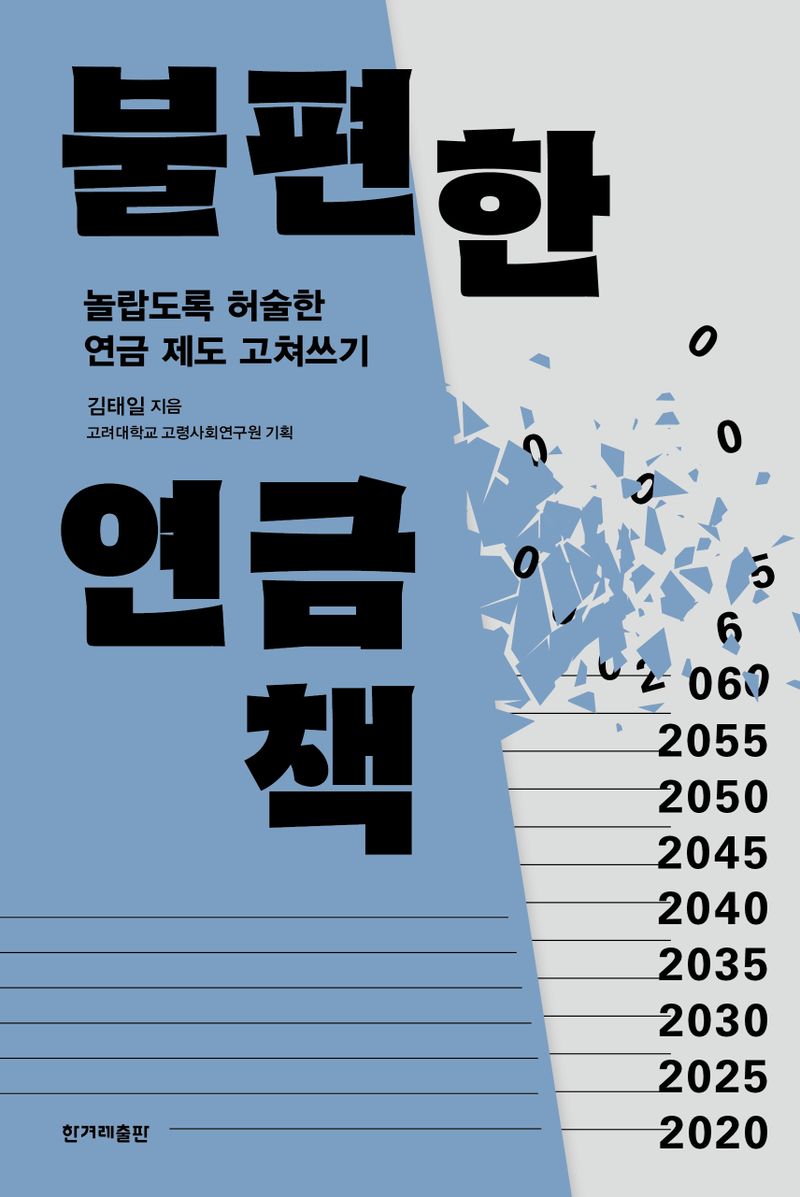
In an interview with fellow Salzburg Global-KFAS Fellows, Taeil Kim, professor of public administration at Korea University, outlines why pension systems matter—and why we should be concerned in a time of demographic shifts. A leading expert in national pension reform, his latest book (Uncomfortable Pension Policies: Reforming our shockingly fragile pension system) introduces readers to the growing challenges faced by all pension holders today.


How is pension reform tied to financial sustainability?

TK: There are two significant challenges to financial sustainability: aging and the climate crisis.The primary driver of concerns about financial sustainability in many countries is the aging population. This demographic shift leads to increased government expenditures in areas such as pensions, medical care, and elderly services. Of these, pension spending is the largest component. For instance, pension expenditures in Greece, Italy, and France exceed 15% of GDP. While the current burden is substantial, it is poised to escalate further as the population continues to age.

Why should the general public care about pension reform?

TK: In most countries, the present working generation shoulders the responsibility of funding pension expenses for the elderly generation. When present workers retire, it will be their turn to benefit from pensions and the future working generation to invest. When the number of younger workers is larger than the number of older retirees, then this system is relatively sustainable. But what happens when the number of younger workers is much lower than the number of older retirees?

This is the problem faced by aging societies, where pension systems may distribute more funds than they receive. Pension reforms are thus vital to rebalancing the burdens foreseeable across present and future generations. This may entail short-term costs for long-term sustainability. 

Pension reform can thus be an unpopular choice for today’s voters, presenting a dilemma for politicians sensitive to public opinion. This is also why it is imperative that the general public is aware of pension systems and the challenges faced in the immediate future.

Could you share some key takeaways from your new book?

TK: My book addresses pension reform in South Korea, where the structure of the public pension system currently results in recipients receiving significantly more than they contribute. Here, the unprecedented rate of aging in South Korea poses a looming challenge for future generations. 

If the current demographic trajectory persists, then our pension system will run out of money. Although the current pension premium stands at 9%, maintaining this rate would require an increase to over 30% after 30 years to sustain benefits for the elderly, which is deemed unfeasible. The anticipated old-age rate at that time is expected to surpass 40%, and the surge in medical and care expenses further compounds the strain on government finances.

My solution is to establish a balance where each generation receives benefits commensurate with their contributions. This will ensure fairness in the distribution of the burden across generations. Achieving this equilibrium solely through pension premiums is challenging, given that benefits often exceed the premiums paid.

To address this, it is imperative to augment insurance premiums and establish a fund financed by current taxpayers. This fund would be earmarked for future pension expenditures, providing a more sustainable solution. Additionally, it is crucial to enhance the role of private pensions [paid by an employer or returns from an individual’s private investment scheme] in guaranteeing retirement income alongside public pensions [paid by the state]. This multifaceted approach aims to create a more equitable and viable pension system for South Korea’s evolving demographic landscape.

Is this approach to pension reform and financial sustainability applicable only in South Korea?

TK: The escalating financial burden on future generations from an aging society is a challenge faced by most countries—albeit with variations in intensity. Consequently, pension reform aimed at enhancing financial sustainability is a universal concern. At the heart of this reform is the imperative to establish parity between what each generation pays and receives, thereby promoting fairness in intergenerational burden-sharing.

I have proposed the establishment of a fund funded by the present generation, mirroring practices already adopted by certain countries. Notably, Australia has instituted a “future fund”, and New Zealand has followed suit. These funds are strategically designed to accumulate resources for future financial expenditures, ensuring long-term financial resilience.

What is a key message that you would like to share with policymakers on pension reform?

TK: The objective is to ensure equitable distribution of the burden across generations. Presently, Korea’s old-age rate is below 20%, resulting in relatively modest financial outlays for the elderly, encompassing pensions, medical care, and care services. However, projections indicate that the old-age rate is poised to surpass 40% within the next 30 years. Anticipated financial obligations for the elderly during that period will significantly exceed current levels, presenting a formidable challenge for the working generation at that time to shoulder the entire burden.

To address this, the proposed strategy involves proactively establishing a fund, primarily allocated at the expense of the current generation, with the intention of utilizing it in the future. This proactive approach, especially in funding pensions, aims to alleviate the impending strain on the working generation by securing financial resources in advance.

What are some further areas of research needed to improve pension reforms?

TK: The primary purpose of a pension is to secure income during retirement, which requires sustainable pension finances. Korea’s current focus on pension reform centers on enhancing the sustainability of pension finances, aligning with the overarching goal of ensuring adequate income in old age.

In essence, the objectives of pension reforms are two-fold: to optimize financial sustainability and to fortify pensions’ ability to effectively provide retirement income. 

To achieve the second objective in the Korean context, two key initiatives are imperative. First, there is a need to decrease the number of non-beneficiaries and [second], extend the subscription period. Presently, a considerable portion of the elderly lacks eligibility for the national pension, and those who are eligible often receive meager pension amounts due to short subscription periods. Although future prospects may improve, the anticipated outcomes are still deemed insufficient. Therefore, a strategic policy approach is essential to broaden the pool of pension beneficiaries and extend the subscription period.

Relying solely on a public pension proves challenging to furnish adequate retirement income. Private pensions should contribute significantly to securing retirement income. While Korea has a private pension designated as a mandatory retirement pension, its current efficacy in guaranteeing retirement income is minimal. There is a critical need to optimize the functionality of [private] retirement pensions to ensure robust support for individuals during their retirement years.

ARTICLE CO-AUTHORS

Dongkyu Chang, Associate Professor of Economics, City University of Hong Kong, Hong Kong 

Albert Sanghoon Park, Lecturer, University of Oxford, UK


PROJECT PROPOSAL

For the project proposal from the Financial Sustainability working group, see “The Intergenerational Sustainability Fund”

INTERVIEWEE PROFILE

Professor Taeil Kim is an expert in national pension systems and serves as a professor of Public Administration and chairman of the Institute of Aging at Korea University in South Korea. Professor Kim has published numerous books and research papers on government budgeting, welfare policy, the Korean economy, and more. 

His book “Uncomfortable Pension Policies: Reforming our shockingly fragile pension system” is available in Korean.

GENDER MAINSTREAMING AND FINANCIAL SUSTAINABILITY 

Gender mainstreaming—integrating a gender perspective into policies, programs, and activities by organizations and governments to promote gender equality and women empowerment—ensures equal benefits for all genders in development initiatives and considers their unique needs and experiences. 

Gender mainstreaming can contribute to financial sustainability—the ability of an organization or government to maintain its financial viability over the long term—by promoting economic empowerment among women, investing in human capital development, and identifying untapped market segments. 

It can also help organizations manage risks more effectively, such as addressing gender-specific vulnerabilities in disaster risk management. 

Additionally, incorporating gender mainstreaming into corporate social responsibility (CSR) initiatives can enhance reputation, attract talent, and build stronger relationships with customers and communities, contributing to long-term financial sustainability. 

Ultimately, gender mainstreaming can contribute to financial sustainability by promoting inclusive growth, enhancing organizational resilience, and unlocking new innovation and market expansion opportunities.

The Case of Sri Lanka

Sri Lanka officially declared bankruptcy in 2022. This was caused by many factors, not least the poor utilization of its resources, especially human resources. 

Bankruptcy comes against a backdrop where Sri Lanka’s gender equality indexes have been continually dropping since 2010, indicating the inefficient use of an essential resource in the economy. Sri Lanka’s Gender Inequality Index (GII) score of 0.38 ranked 92nd of 170 countries in 2021. Until recently, Sri Lanka was ranked first in South Asia on the gender equality index, a position since challenged by regional peers such as the Maldives, Bangladesh, and Nepal. As per The Global Gender Gap (GGG) report, Sri Lanka has the 27th largest gender gap in 2020, ranking 110th of 146 nations. 

Sri Lanka’s women constitute 52% of the population, but their labor-force participation remains at 32%, compared to 72% for males. Supply-side constraints include household work, unpaid care, and gender discrimination, while demand-side causes include lack of entrepreneurship, employment discrimination, and lower wage prospects. 

Women have a 36% youth unemployment rate compared to 21% for males. Small and medium enterprises (SMEs) are critical contributors to economic development and job creation, but only 25% are owned by women due to impediments of informal to formal transitions, restricted access to capital and markets, lack of business acumen, and lack of capacity building. Women lead about 25% of households, but their labor-force involvement remains low. 

McKinsey Global Institute stated in 2019 that Sri Lanka could add an extra US$20 billion to its economy by 2025 if gender equality were achieved and women were effectively facilitated to participate in economic activity. 

Sri Lanka has made its investment in education and health for women but has failed to create opportunities through gender mainstreaming to reap the returns of its investment. Rectifying this would go a considerable way towards paying off Sri Lanka’s otherwise insurmountable foreign debt and turning its economic woes around. 


Article author

Seroshi Nandasiri, Founder and Chair, Women’s International Foundation (WIF), Sri Lanka 

Diverging Values


scroll down

Fostering dialogue and understanding between generations, seeking common ground while respecting diversity and evolving societal values, beliefs, and cultural norms

Gaming:
How it can make us better people
—and better leaders

When it comes to the traits we want in a leader, playfulness is rarely at the top of the list. But a growing body of evidence—and an industry in ascension—suggests that playing games can actually make us better leaders.

BY CHRISTOPHER HAMILL-STEWART

When done right, gaming—whether behind a computer or in the physical world with cards or other props—can actually help leaders be more empathetic. It can help them better navigate their own futures and those of their organizations or communities.

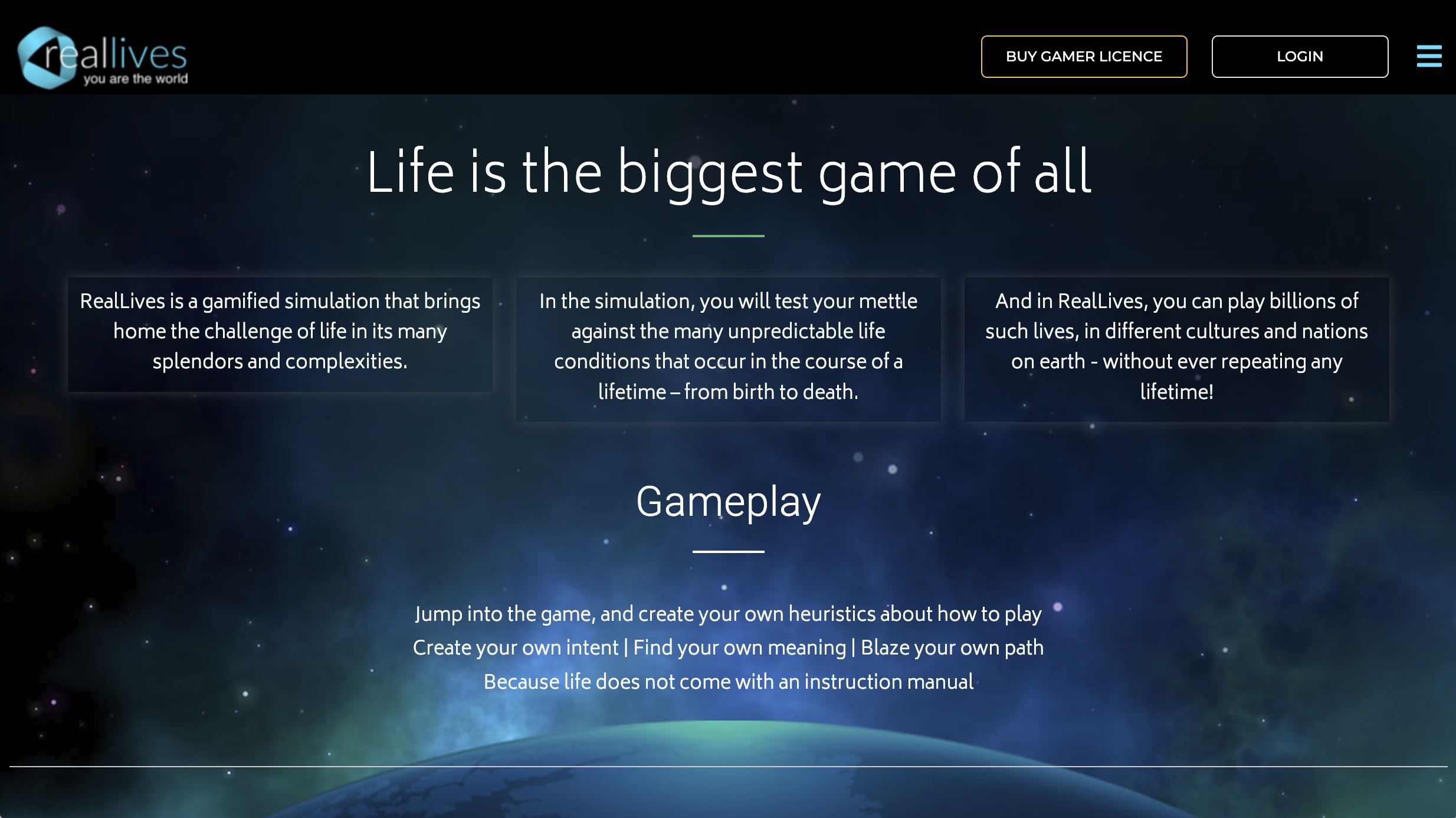
Parag Mankeekar, director and co-founder of the RealLives Foundation, says games can be instrumental in one fundamental way: fostering empathy.

“Empathy turning into action is what leadership is all about,” he says. “Empathetic leaders can give you solutions—they identify with a problem or challenge. They actively engage with it. This is enabled by empathy.”

Cultivating empathetic leaders is not easy, but Mankeekar says games like his digital, text-based game RealLives can help.

RealLives is a simulator that drops players into the life of a random human on Earth. The player could be assigned the life of an upper-middle-class family in Kazakhstan, a Syrian refugee, or a Chilean web developer; RealLives then asks them to make a series of decisions that those people would face as they navigate life.

RealLives challenges players to insert themselves into the lives of their characters in a way that few games can, drawing on United Nations’ sustainable development data to present players with an accurate look into the lives of their characters. It is this that builds empathy, Mankeekar explains: “It’s difficult to empathize with someone unless you’re faced with the choices they face, the events big and small that happen to them.”

The idea that video games build empathy is not just an idea. A growing body of evidence suggests that games, including video games, can encourage empathy in scenarios ranging from conflict resolution in the Middle East to prejudice reduction or catalyzing empathy aimed at social impact. Inserted into the wider educational system—which Mankeekar argues currently struggles to teach empathy—they can be an important tool for educators seeking to encourage or nurture empathy.

This capacity to build empathy extends beyond traditional leadership roles. Regarding intergenerational dialogue, empathy is crucial in navigating rapidly changing values; Mankeekar adds: “Dialogue of any kind, intergenerational, inter-communal or otherwise, fails when people are unempathetic.”

Beyond building empathy, when it comes to navigating global changes, games can also help us by broadening our perspectives and helping us to imagine routes forward.

Anyone who has ever sat down to make their personal or business five-year plan knows how hard it is to predict the future. It often feels like there are simply too many variables, too many unknowns, to make a reasonable prediction. 

For leaders responsible for an entity greater than themselves—whether they are CEOs, community leaders, or elected officials—the challenge of foresight is also greater. In an era defined by the unpredictable interplay of megatrends like climate change and demographic shifts, leadership that can manage this complex, multifaceted change is critically important.

Futurist Adam Sharpe, founder and CEO of Futurely and a youth participation consultant for UNICEF, says: “Gaming is something that we’re actually quite good at, but we don’t do enough. Games create rules around which complex subjects can suddenly be more accessible.” 

And games shine when imagining or re-imagining the future, he added.

Sharpe is developing the People Power Foresight Game, in which groups of participants are convened and tasked with imagining a future that may not have occurred to them, responding to scenarios ranging from the creation of a fully functioning artificial womb to a collapse in global fertility rates or the dawn and expansion of viable nuclear fusion. 

Participants are asked in a playful and disarming way to expand their thinking beyond traditional boundaries.

For leaders, embracing futures thinking—the academic field and theories of why and how we consider the future—games like this are particularly valuable: “Leaders are responsible for vision in an organization—and playing games like this gives you that way of looking at the future and developing some kind of vision, even through periods of disruption.”

Futures thinking—be it via a game like Sharpe’s or another means—can help us deliver results, Shape explains, particularly when addressing large-scale challenges like climate change, intergenerational justice, healthcare, changing technology, and more.

“Often, we end up stuck in present challenges—we need to extend our view in order to come together and make progress. But when we, as an intergenerational group across hierarchies, across classes, establish common vision for the future together, the road is open to us to have a more productive, collaborative, open discussion.”

PROJECT PROPOSAL

For the project proposal from the Diverging Values working group, see “OF COURSE! Library”

CASE STUDY: “REALLIVES” SIMULATIONS AS A PATHWAY TO UNDERSTANDING DIVERGING VALUES

How can innovative tools like RealLives Simulations address the complexities of generational conflicts and evolving societal values? RealLives Simulations, with its unique methodology, stands out as a particularly effective tool in bridging these divides, offering insights into how diverging values can be reconciled in a rapidly changing world.

RealLives Simulations operates on a powerful premise: allowing individuals to experience life from the perspective of someone else, anywhere in the world. This immersive experience goes beyond traditional educational methods by placing users in simulated environments where they make choices and face the consequences of those choices, mirroring the complexities of real life. This methodology is not just about fostering empathy; it’s about understanding the intricate web of factors that shape individuals’ lives, decisions, and, ultimately, their values.

The Connecting Generations program in the KFAS-Salzburg Global Leadership Initiative, especially the “Diverging Values” working group, underscored the importance of empathy and understanding in addressing generational conflicts. We left with a renewed sense of the importance of seeing the world through others’ eyes. RealLives Simulations offers a direct pathway to achieving this understanding. By engaging with the platform, users can live through the challenges and triumphs of individuals from vastly different backgrounds and generations, providing a profound sense of connection that transcends age, culture, and geography.

Despite our differences, there are universal human experiences and aspirations. RealLives Simulations brings this point home by demonstrating that, regardless of where or when we live, the fundamental desires for love, security, and a sense of belonging unite us all. This realization can significantly mitigate generational conflicts by highlighting common ground and fostering a more inclusive approach to understanding diverging values.

Furthermore, RealLives’ methodology emphasizes the role of choice and consequence in shaping our lives and values. By navigating the simulated lives of others, users gain insight into how circumstances, decisions, and societal norms influence one’s path. This understanding is crucial in addressing the diverging value challenge, as it encourages users to consider the context behind differing perspectives, fostering a more nuanced approach to generational differences.

Integrating RealLives Simulations into ongoing efforts to bridge generational divides offers a promising strategy for addressing the challenges highlighted in Salzburg. The platform can serve as a supplementary tool in educational settings, workshops, and dialogues aimed at understanding and reconciling generational conflicts. 

By providing a tangible experience of walking in another’s shoes, RealLives can transform abstract discussions about values and beliefs into concrete experiences of empathy.

As society continues to grapple with the rapid pace of change, tools like this will be invaluable in cultivating a more inclusive, empathetic, and understanding world.


AUTHOR

Parag Mankeekar, Founder & CEO, RealLives Foundation, India


Immigration


scroll down

Examining the impact of migration on societies, economies, and intergenerational relationships and exploring strategies to facilitate integration, foster social cohesion, and harness the benefits of cultural diversity

Bringing in Migrant Voices:
Can information bridge the gap between migrants and integration policies?

In an age of collaborative governance and policymaking, migrant voices are conspicuously absent.

BY DONGHYUN DANNY CHOI, VERA FONSECA, YOONJIN KIM, ANTONIO LESSA, PAVLOS PETIDIS, MARIAN GRACE TICZON AND HIDEO TONE

Migration has always been a part of human history. Yet the recent surge in cross-border mobility resulting from globalization, climate change, and conflict has elevated its status to one of the key global issues confronting humanity today. According to a report released by the United Nation’s International Organization for Migration in 2022, an estimated 281 million people (or 3.6% of the world’s population) resided in countries other than their country of birth, a 27% increase compared to figures from a decade ago. The United Nations High Commissioner for Refugees puts the number of forcibly displaced individuals at 108.4 million, slightly more than one-third of whom are cross-border refugees seeking safety outside of their conflict- or disaster-stricken countries.

As the number of migrants arriving at their borders in search of safety, security, and better economic opportunity continue to rise, governments in migrant-receiving countries have been tasked with the responsibility of devising policies to promote the inclusion and integration of migrant communities into host society. 

By all accounts, however, this is a tall order; policymakers are forced to formulate these integration policies against the backdrop of legal and institutional frameworks that are often outdated and ill-equipped to accommodate non-citizens. At the same time, they also face the herculean task of managing a native population and political establishment increasingly suspicious of migrants and apprehensive about the potential negative consequences of immigration. 

Furthermore, political leaders at the helm of government often either lack the political will or are fundamentally hostile to investing in bettering the lives of migrant communities. What frequently transpires as a result is a mixture of policy actions that only provide minor improvements to an already hostile status-quo or policies that in reality are assimilationist or downright coercive.

The perils of the prevailing models of integration policymaking

Given these obvious shortcomings, how can we, as a society, strive to improve the design and implementation of integration policy? A key problem in integration policymaking is the conspicuous absence of migrant voices in the policymaking process. 

In an era where collaborative governance between public and private stakeholders has become the norm rather than the exception, it is striking to see how infrequently migrant communities themselves are meaningfully involved or consulted in the very process of designing policies intended to address their concerns and needs as they adjust to life in a new society. 

A top-down model of policymaking led primarily by non-immigrant policymakers runs the risk of mistaking what members of the native majority “assume” or “believe” migrants would need for what migrant actually need. 

Even worse, it can lead to the adoption of policies that coercively impose norms and values that the native majority would prefer that migrant communities espouse. What results are policies that are misaligned—and thus have very little to do—with the demands and preferences of migrant communities.

Bringing migrant voices into the fold: The power of information

So, what to do? A framework that formalizes migrant community participation in integration policymaking would be ideal, though such formalization may require significant time and political commitment, neither of which are in abundant supply. As a complement and temporary substitute for more institutionalized participation, it is vital to leverage the power of information; specifically, information provided by migrant communities themselves. 

This information can be collected via surveys completed by migrants on their experiences adapting to life in the host country, the challenges they face during that process (the “migrant journey”), and the specific demands for intervention on an array of related migrant integration issues including access to the labor market, education, citizenship, family, health, political participation, and anti-discrimination. 

Where would policymakers collect or gain access to such information? We—Salzburg Global-KFAS Fellows and members of the KFAS-Salzburg Global Leadership Initiative’s working group on Immigration—propose the creation of an integrated data platform that will act as a one-stop shop that assists government and policymakers in both collecting, analyzing, and accessing such data.


Migrant Voices Platform

DATA COLLECTION 

At the core of the idea for the one-stop integrated data platform is the process of collecting data from migrant communities. Capitalizing on the expertise of multiple academic researchers in the subtheme group with expertise in survey design and other qualitative research methods, the data platform will provide advising and consulting to governments and other societal organizations interested in conducting surveys among members of the migrant community. 

The data platform will also be able to provide expertise on issues regarding the sampling of migrants drawing on the expertise of the working group members. Government actors are in a unique position since many countries mandate regularized interactions between either national or local government agencies and migrants. These regularized interactions will provide ample opportunity to interact with and collect data on migrant perspectives.

ANALYSIS 

One of the other important functions of the data platform would be to provide expert analysis, as well as interactive analysis capabilities, of the data collected among migrant communities. Drawing on expertise of researchers, the data platform will process the data and assist in intuitively analyzing, visualizing, and presenting the data in digestible formats. 

The platform will allow for the possibility of over-time analysis for data from within a single country, as well as cross-sectional analyses that allows comparison across data from multiple countries.

ACCESS

The data made available on the platform would be open-access; that is, available to government policymakers, public and private sector stakeholders, as well as the general public to use.


We are not the first to propose an evidence-based approach to policymaking. The Migration Policy Institute Europe has long advocated strongly for the need for evidence-driven integration policy. MIPEX (Migration Integration Policy Index)’s initiative to create a cross-national index of integration policies currently in implementation most closely resembles our approach. However, our proposed data platform is distinctive in that it will provide a platform on policy inputs (migrant perspectives and preferences) that shape policymaking rather than the status of policies themselves.


Challenges and solutions

Implementing an integrated data platform for immigration policymaking comes with its set of challenges. Feasibility, funding, and scalability are key concerns that must be addressed to make this approach viable.

FEASIBILITY

The complexity of migration issues demands a robust and adaptable data platform. Ensuring the feasibility of such a platform involves careful planning, technological infrastructure, and collaboration with experts in the field. Piloting the platform in specific regions can help identify challenges and refine the system before broader implementation.

FUNDING FOR SURVEY DEVELOPMENT AND SCALABILITY

Developing surveys, collecting data, and maintaining a scalable platform require financial resources. Securing funding from governments, private sector entities, and international organizations is crucial. Highlighting the long-term benefits and the positive impact on societies can attract financial support from stakeholders committed to addressing the challenges of migration.


Political implications and stakeholder engagement

Immigration policies are inherently political, shaped by the ideologies and priorities of governments. Stakeholder engagement plays a pivotal role in influencing political decisions and garnering support for migrant-friendly policies. The Migrant Voices Platform should actively involve three key stakeholders—government agencies, civil society, and international organizations—and work with a common language.

Government agencies must be encouraged to buy into the initiative, recognizing the value of data-driven policymaking in enhancing the efficiency and effectiveness of immigration policies. The platform can serve as a valuable tool for survey development and sample acquisition, enabling policymakers to gather insights directly from the migrant community. 

Civil society, with its advocacy role, can utilize the platform to encourage data use for policy development. By engaging with the data, civil society organizations can contribute to shaping policies that align with human rights principles and social justice. 

International organizations can provide financial support and buy-in, leveraging their global influence to encourage other countries to participate in the data-sharing initiative. A collaborative international effort is essential to comprehensively address the challenges faced by migrants, considering the transnational nature of migration.

Ultimately, the formulation of immigration policies that effectively address the challenges faced by migrants requires a holistic and data-driven approach. Stakeholder engagement, involving government agencies, civil society, and international organizations, is paramount. By actively involving these stakeholders, the Migrant Voices Platform can attract buy-in, encourage data use for policy development and advocacy, and foster collaboration on an international scale. 

While countless challenges exist, with concerted efforts and a commitment to addressing the complexities of migration, the integrated data platform can pave the way for more informed, equitable, and humane immigration policies globally.

ARTICLE CO-AUTHORS

Donghyun Danny Choi, Assistant Professor of Political Science, Brown University, USA

Vera Fonseca, Coordinator of the Project Team on Intersecting Inequalities, High Commission for Migration, Portugal

Yoonjin Kim, Attorney at Law, Dongcheon Foundation, South Korea

Antonio Lessa, Full Professor, Universidade de Brasilia, Brazil

Pavlos Petidis, Scientific Associate, The Network for Reform in Greece and Europe, Greece

Marian Grace Ticzon, Project Officer, ASMAE - Soeur Emmanuelle Philippines, Philippines

Hideo Tone, Program Officer, The Toyota Foundation, Japan


PROJECT PROPOSAL

For the project proposal from the Immigration working group, see “Migrant Voices Database”

Intergenerational Mobility


scroll down

Analyzing the opportunities and barriers for social and economic mobility between generations and reconsidering our concepts of human progress

Intergenerational Mobility 2.0:
Moving away from a toxic traditional concept

Why assuming every generation should make more money than their parents’ is an increasingly outdated concept.

BY RHYDHI GUPTA, ZUKI HLWATIKA, HYEBIN BINA JEON, IAN RYU AND JENNY WOOD

If the child of an investment banker becomes a teacher, have they failed in intergenerational mobility? According to the traditional financial or social metric—whereby a parent’s (usually the father’s) financial earnings or related social standing predicts those of their child (usually a son)—yes, they have. But should we view it that way? 

While these financial and social measures of intergenerational mobility have validity as a simple metric of equality of opportunity over time, both attempts to look at the concept are bound up in toxic concepts that higher incomes and greater social status have inherent meaning. Moreover, viewing progress through an upward or downward trajectory requires winners and losers—defined by measures that do not reflect how many people and modern societies envisage a good life. 

Ingrained in this way of thinking is an assumption that things can always be financially better. In the modern world, where climate change, demographic transition, and the rise of AI are all immediate threats, such assumptions do not drive us toward a more sustainable future. They can instead drive toxic behaviors that keep people competing for fewer and fewer resources while encouraging an unsympathetic and nihilistic worldview. 

The time for simplistic economic measures is over. We must view intergenerational mobility as a multidimensional measure.

Expanding Dimensions: Intergenerational Mobility 2.0

Multidimensional intergenerational mobility—or Intergenerational Mobility 2.0—would no longer define intergenerational mobility by a simple up or down trajectory and instead better reflect the multifaceted nature of lives we actually experience. For example, the traditional view supposes that the child-teacher of the parent-banker is doing worse than their parent by virtue of earning a lower salary. Yet, this blunt metric says nothing of the quality of life the child experiences on their income. The child may find more purpose and meaning in their role as a teacher than the lower salary would reflect. In actuality, the child-teacher may have moved toward a better and more fulfilled life than their parent-banker. 

Intergenerational Mobility 2.0 also better captures the pressures of modern life and increasing global uncertainty. While many people today may earn more than their parents on paper, it may not translate to time for recreation or fulfillment of their well-being or even human rights. A new multidimensional measure also enables a move beyond conventional gender roles, whereby the caring professions that are often dominated by women are lower paid and (on paper) worth less. How we measure and compare nations can further entrench value judgments around what different people should and should not be striving for. For example, the Australian government recently published a statement on Measuring what Matters, which moved the debate to assess progress against a wider range of measures based on a national conversation about what matters to modern Australians.

Evidently, income or economic indicators alone should not be employed as the yardstick from which intergenerational mobility is determined; rather, the use of multidimensional measures that tell us a more comprehensive story should be used.

But what new dimensions would offer a more holistic measure of Intergenerational Mobility 2.0? Below are six proposals we hope will spark further discussions on what is possible in a future where continuous economic growth and striving are no longer sustainable. 

1Basic Standard of Living 

Economic indicators such as Gross Domestic Product (GDP), income or interest rates on their own are not sufficient in capturing how people truly fare in their lives and whether they are better or worse off than previous generations. An analysis of one’s basic standard of living, comprising an array of indicators should assist with determining the state of one’s well-being and subsequently intergenerational mobility. The Organisation for Economic Co-operation and Development’s (OECD) Better Life Index employs a combination of useful indicators in determining people’s standards of living, for instance, the housing indicator speaks to the basic need of having shelter and a safe space; the life satisfaction indicator measures the extent to which people are happy with their lives in overall terms; and the community indicator assesses whether a person has a strong sense of community where they have a social circle and support structure. Other OECD indicators include income, jobs, education, environment, civic engagement, health, safety and work-life balance. Additionally, the Human Development Index (HDI) was developed as a response to economic growth alone being insufficient in measuring a country’s development. The United Nations Development Programme explains HDI as an observation of decent standard of living, long & healthy life and knowledge—combined, these tell us much more about basic standard of living than just income. 

2Healthy Life Expectancy

The importance of adopting more multifaceted metrics is also increasing within the realm of health. While traditional measures such as life expectancy offer a quantitative perspective on health, the emergence of healthy life expectancy (HLE) considers the quality of health. HLE is a crucial indicator alongside life expectancy: It estimates the average years individuals can anticipate living in good health, calculating both mortality and morbidity elements. This metric encompasses various health parameters such as chronic illnesses, disability rates, mental well-being, and overall quality of life. Essentially, healthy life expectancy seeks to encapsulate not merely longevity but quality of life, factoring in the importance of good health and well-being across the lifespan.

According to the World Health Organization, life expectancy has globally increased by over six years between 2000 and 2019, rising from 66.8 years to 73.4 years. Healthy life expectancy, however, has only risen from 58.3 in 2000 to 63.7 in 2019. This indicates the increase in HLE has not kept pace with the corresponding rise in life expectancy, suggesting that, despite living 6.6 years longer, people can expect to spend almost a decade of their old age suffering from disability and illness. This finding challenges the conventional assumption that the new generation’s privileges of medical advances and material affluence do not necessarily bring us healthier lives than previous generations.

3Rights to Rest and Play

Our physical and mental health outcomes also depend on the quality of lives we lead. On average, we spend one-third of our lives working and earning a living. Article 24 of the Universal Declaration of Human Rights states that everyone has the right to rest and leisure, including reasonable limitation of working hours and periodic holidays with pay. With the advent of the gig economy and the impending fifth industrial revolution, it is pertinent that each generation evaluates gainful employment and wealth creation against metrics such as fair wages, decent working hours, employment security, work-life balance, maternity at work, safety, social security, and equity. 

4Political Empowerment

Political change also contributes to improvements in quality of life. Assessing democratic values, civil liberties, gender equality, and voting equality across generations can present a further nuanced picture of intergenerational mobility. Across 47 countries with consistent data, only 20% of adult citizens had the right to vote in 1850, with the electorate comprised mainly of a narrow elite of propertied and, almost exclusively, white men. Today, that percentage stands at 100%. However, whether individuals genuinely feel they influence political outcomes—relative to parties in government, big business, banks, and industry—remains a question worth asking.

5Access to Opportunity

Access to opportunity measures whether an individual is given a fair chance to be successful in life. Equitable access to opportunities for all members of society, regardless of their background or circumstances, is essential to unlock the potential of every individual.

Measuring the access to opportunity has been a long-standing effort in social science. The World Bank introduced the Human Opportunity Index in 2008 as a systematic measure of the inequality of opportunities in Latin America and the Caribbean. Meanwhile, Opportunity Nation (a nonprofit organization) and Measure of America (a project under the Social Science Research Council) created the annual Opportunity Index to analyze community conditions that impact opportunity within the USA. By leveraging these quantitative measures, policymakers can intervene to level the playing field and equalize opportunity earlier, rather than later, in life. Access to opportunity encompasses access to a diverse set of resources for human development including electricity, quality education, employment, housing, and social networks. By dismantling barriers to opportunity and investing in inclusive policies, societies can unlock the potential of every individual, thus fostering intergenerational progress and prosperity.

6Meaning and Purpose

A core psychological drive of human beings is to find meaning and purpose in our existence. This has traditionally come for many through religious observance and community rituals. However, there is increasing discourse, particularly in the Global North, that we are in the midst of crisis. Many are now questioning whether their jobs bring true value to the world, and whether they are able to meet their core needs in a world full of uncertainty and distraction. For example, a recent UK study showed that there is not only significant economic inequality in the country, but an even wider inequality when well-being is also factored into earnings.

While the concept of meaning and purpose is philosophically complex and often personal, there are relatively simple ways to measure it. For example, the Personal Wellbeing Measure from the UK’s Office for National Statistics asks individuals four simple questions to measure life satisfaction, worthwhile, happiness and anxiety. Measuring personal well-being can therefore add depth to our understanding of intergenerational mobility, enabling us to better understand the extent to which income can truly predict happiness. Moreover, measuring well-being allows for other factors such as happy relationships, community, and family life to be recognized.

Dialogue for a Healthier Future?

Mental health and loneliness crises abound, as today’s world seems ever-more chaotic and stressful for individuals. Messaging that people will not or cannot expect to do as well financially, materially, or spiritually as their parents creates a sense of doom and ingrains a winners-vs-losers mentality that further erodes well-being.

By exploring alternative ways to think about intergenerational mobility, we seek to expand the conversation on what future progress could look like within and beyond individual countries. National governments should not be stuck relying on the toxic traditional concept of measuring economic indicators only. They should instead present promising and sustainable visions for our future societies. 

Imagine a world where nations compete to encourage and provide well-rounded and meaningful lives for their populations, and where people feel supported no matter their income to participate in society and community. A world where people and systems that build the ability to deal with change, uncertainty, and adapt to a changing climate are celebrated and these tools are shared to drive progress. A world where people who find well-being and purpose in unpaid work or roles are still able to have a decent standard of living, and are recognized for their contributions no matter their gender. 

We believe that a more complex view of intergenerational mobility can help bring us closer to a more equitable future, and we invite further views on how we can progress towards this more meaningful, multidimensional measure. 

ARTICLE CO-AUTHORS

Rhydhi Gupta, Public Policy Analyst, The Quantum Hub, India

Zuki Hlwatika, PhD Student, Wayne State University, USA

Hyebin Bina Jeon, Programme Officer, Human Rights Information and Documentation Systems (HURIDOCS), Switzerland / South Korea

Ian Ryu, Head of Products, FedTech, USA

Jenny Wood, Co-director, Policy & Research, A Place in Childhood, UK


PROJECT PROPOSAL

For the project proposal from the Intergenerational Mobility working group, see “Redefining Intergenerational Mobility”

5 ways the world of work will change in an aging society

Dwindling workers’ rights, growing automation and expanding your personal brand: What the future holds for young workers in an aging society.

BY CHRISTOPHER HAMILL-STEWART

For the first time in human history, the population pyramid is being reversed. Fewer and fewer working-age people are supporting an ever-growing number of pensioners.

The question of what this means for our societies—for both workers and retirees—is already bubbling under the surface in many countries.

France, for example, was convulsed with protests when the government unilaterally raised the minimum retirement age by two years to 64, citing financial sustainability in an aging society. China has attempted to undo years of demographic manipulation by tearing up its one-child policy, as its demographic dividend looks set to become a demographic deficit.

And these changes are just the beginning. For Seoul National University professor, Hyeok Jeong, an extreme example of what could happen is South Korea, which has a rapidly aging society and the world’s lowest fertility rate: 0.72.

1Workers will have less power

“Because of this trend of the shrinking size of young working populations, it is possible that this group will lose its negotiating power vis-à-vis wider society,” says Jeong. This loss of negotiating power could leave younger workers de-prioritized when decisions are made about their future because they constitute a smaller political force within the wider population.

How this pressure on workers affects their rights, he explains, depends on the type of worker: domestic or foreign.

“For foreign workers, usually their wages will be lower than domestic workers, partially because they are often considered low-skill workers. Because of this, they have even lower negotiating power, or sometimes no negotiating power, with the state they move to. If there is no social safety net or labor market institution to protect their rights, it is very likely that their rights will be abused,” he says.

Countries facing labor-force pressures are likely to “start inviting foreign workers, and their rights will be a question, while domestic workers will feel very insecure,” says Jeong.

He says that protections via labor unions or other forms of collectivization is “one way” to manage this potential situation—but this leaves anyone outside the union just as, if not more, vulnerable to encroachments on their rights and protections. 

“The real protection should come from the availability of jobs,” concludes Jeong.

2Workers will have more competition from machines

Ian Ryu, head of technology partnerships at US-based technology venture capital firm FedTech, says the private sector stands to play a significant role in helping societies weather this global demographic transition—but its role will be complicated. 

Innovations on the factory floor or in the fields have been automating jobs humans have done for decades, and there has always been a cost to this.

“Automation tends to lead to higher productivity and more consistent products—which means higher customer satisfaction,” says Ryu, adding he acknowledges that this has often meant some people being left behind.

The question for Ryu now is how we empower workers to be able to adapt to not just the ongoing fourth industrial revolution of complex digital automation but also the increasing prevalence of generative artificial intelligence (AI). 

Research suggests that one in five workers’ jobs have a “high exposure” to AI, meaning that their jobs could one day be automated. While some working in jobs as technical writers and web developers currently report that AI is helping them to do their jobs better, Ryu warns that this may not always be the case: “It will be harder to distinguish what an AI produced and what a human produced. And some people will lose their jobs because of that.”

3Workers will need to re-skill

The private sector is “hugely interested” in the issues of demographic change and what this means for the workforce, Ryu explains. 

“Demographic change means you have to work with different types of workers. Your talent pool is changing—that means the private sector has to respond.”

This might mean changing hiring strategies, for example, to identify and hire older talent that may have previously been dismissed as too old (consciously or not). Already, this is underway in the UK, with more than 50 large businesses signing a pledge to improve their recruitment, retention and development of older workers.

Demographic changes matter for knowledge and experience, too: “There has to be a good pipeline of talent, otherwise institutional knowledge in companies gets lost,” says Ryu.

The private sector can also work with governments and nonprofits to address issues surrounding the labor market, he says. On a local or even national level, this could be training or re-skilling programs for at-risk workers—and it requires leadership on both sides to deliver it.

When it comes to the demographic transition, he says a key concern is a skills shortage.

“When it comes to skilled workers: ready for an uncertain future and to be flexible and adaptable, this is where the challenge lies. Being flexible or highly agile is very important.”

4Workers will need to manage their own personal brands

Ryu argues changes in digital social connectivity are already underway, changing how we work. “The trend we are facing is we are asking individuals to be more multifaceted. Now, everyone’s got a personal brand, and because of the growing digital economy, people can now diversify their incomes through things like YouTube, TikTok, and other social media, for example, or freelancing platforms like Fiverr.”

He warns: “People who can do that will thrive more, people who cannot, will suffer more.”

5Workers won’t need to work?!

Protecting the rights of this dwindling number of skilled workers as they support an increasingly large aged population is not simple, Ryu says.

“There are several ways worth exploring that could address this, and one is Universal Basic Income—maybe that could be the solution. But that also has potential downsides.”

Universal Basic Income is a regular direct payment made by the state into the hands of the people, with no strings attached. It has already been trialed in 160 places around the world, from the UK to Finland, Alaska, and Kenya. There is a growing body of evidence that not only are people who receive UBI payments happier and healthier, but they’re also often more likely to find better jobs because of the stress and pressure it alleviates.

While the concept has only been used on a large scale in oil-rich places like Iran and Alaska, calls for its introduction have been renewed as the potential scale of economic change and exclusion set to be introduced by AI has become clear.

Critics argue that UBI is inflationary and removes any incentive for those in receipt of cash payments to better themselves and their lives. But, as demographics change, automation centralizes the production of value with AI companies, and a dwindling number of young workers find themselves ever more stretched, Universal Basic Income could be a lifeline—not only for the workers themselves but also for those who rely on them.

Proposals for Action


scroll down

Facilitating thought-provoking and inclusive discussion to encourage learning and transfer knowledge and experiences, and generating action-oriented recommendations that drive innovations and inspire global action to forge a better world

Overview

A key objective of the first year of the KFAS-Salzburg Global Leadership Initiative was to generate action-oriented recommendations during the in-person program in Salzburg that would develop into lasting impact. This was done by creating focused, small groups of value- and skill-aligned teams.

To this end, participants were divided into groups based on their affinity for each sub-theme and to work closely together throughout their time in Salzburg and beyond. These groups of five to seven people quickly aligned and generated meaningful action plans by drawing on each member’s strengths and unique experiences.

Critical to this process is understanding, from the start, participants’ goals and strengths, and matching them with the subtheme that aligns most closely with their impact goal and their work. Below is an introduction to the final plans of each group, summarising their proposals and the reasoning behind them. The KFAS-Salzburg Global Fellows welcome your input on and support for their projects and contact details are included for each.

The Demographic Transition Forum

The Context

The demographic transition is reshaping societies with low birth-rates and longer lifespans, posing a variety of risks to countries.

The Team

Subindra Bogati, Founder & CEO, Nepal Peacebuilding Initiative, Nepal
Manuel García Huitrón, Co-founder & Global Chief, Economics, Strategy, and Operations, Nuovalo, Chile
Rosakebia L. Estela Mendoza, Founder, Silver Passport, Peru
Rajnish Prasad, Programme Specialist - Gender Equality & HIV/AIDS, UN Women, Thailand
Adam Sharpe, Founder & Futurist, People Power Foresight / Futurely, Thailand

The Proposal

The creation of the Demographic Transition Forum, involving Salzburg Global-KFAS Fellows and outside guests like policymakers, academics and activists from diverse geographies working in the demographic transition space.

The Forum will forge global partnerships to facilitate knowledge and resource sharing, amplify and support initiatives, influence policies, and promote innovative research for dignified aging across demographic contexts. This will be done through the Forum’s members, who will also benefit from access to a likeminded community of professionals working in the same sector. 

Organizationally, it is likely to be divided into nodes based on geographies, with Salzburg Global-KFAS Fellows acting as “early adopters” of the Forum, and expanding via their networks.

If you would like to contribute to the project or get in touch for more details, please contact: pferreiramartins@salzburgglobal.org.

The Intergenerational Sustainability Fund

The Context

Demographic, social and climate change are inducing a combination of challenges for societies all over the world. Retirement systems such as pensions are no longer fit for purpose, climate change means our socio-ecological systems are under threat, and communities navigating these external challenges are also grappling with internal differences in values between generations and families.

The Team

Dongkyu Chang, Associate Professor of Economics, City University of Hong Kong, Hong Kong 
Taeil Kim, Professor of Public Administration and Chairman, Institute of Aging, Korea University, South Korea
Seroshi Nandasiri, Founder and Chair, Women’s International Foundation (WIF), Sri Lanka
Albert Sanghoon Park, Lecturer, University of Oxford, UK  

The Proposal

A three-part national policy program establishing a fund to assist communities confronting these challenges. The fund would be based on a fixed percent of all existing taxes, smoothing the burden across the population. Existing examples of this system include the South Korean education funding system.

Applications of the fund’s capital include local civil society forums, community-owned solutions to climate solutions, and gender mainstreaming. Next steps include piloting a civil society forum (starting with the Salzburg Global Fellowship), surveying the community for their opinions and guidance on direction.

If you would like to contribute to the project or get in touch for more details, please contact: pferreiramartins@salzburgglobal.org

OF COURSE! Library

The Context

Shared values are the foundation of collective societal action in the face of challenges like climate change, demographic shifts, and technological advancements but the values gap between young and older generations is growing rapidly. 

The Team

Mac Andre Arboleda, Independent artist, Artists for Digital Rights Network
Minji Hong, Producer, Digital News Lab, SBS  
Bitna Kim, Project Manager, Campaign Team, Citizens’ Alliance for North Korean Human Rights
Parag Mankeekar, Founder and Executive Director, RealLives Foundation
Jung Won Seo, Finance Reporter, Maeil Business Newspaper

The Proposal

The intergenerational exchange of values must be pursued as a remedy to values that are diverging—from there, shared values can be rediscovered.

The OF COURSE! Library would be a shared space, online or physical, to facilitate intergenerational exchange. The platform would invite participation from civil society groups and feedback for community engagement activities on or in the platform.

If you would like to contribute to the project or get in touch for more details, please contact: pferreiramartins@salzburgglobal.org.

Migrant Voices Database

The Context

Despite their centrality to managing the demographic transition, their contributions to financial sustainability, and wider positive societal impact, migrant voices are too often left out of policymaking. Policies are made about them instead of with them.

The Team

Donghyun Danny Choi, Assistant Professor of Political Science, Brown University, USA
Vera Fonseca, Coordinator of the Project Team on Intersecting Inequalities, High Commission for Migration, Portugal
Yoonjin Kim, Attorney at Law, Dongcheon Foundation, South Korea
Antonio Lessa, Full Professor, Universidade de Brasilia, Brazil
Pavlos Petidis, Scientific Associate, The Network for Reform in Greece and Europe, Greece
Marian Grace Ticzon, Project Officer, ASMAE - Soeur Emmanuelle Philippines, Philippines
Hideo Tone, Program Officer, The Toyota Foundation, Japan

The Proposal

Migrant voices should be made heard in policymaking. The first step toward this is the creation of a platform via which migrant opinions can be collected and shared. To create this, targeted surveys of migrants will be carried out. Once the body of data is large enough, the platform will become a one-stop interactive platform that offers analysis and visualizes data for inclusion in policymaking.

The approach to this project must be intersectional, evidence-based, and include intergenerational responses. Key stakeholders are likely to be international organizations with an interest in migration, civil society actors working with migrants, and select government agencies.     

If you would like to contribute to the project or get in touch for more details, please contact: pferreiramartins@salzburgglobal.org.

Redefining Intergenerational Mobility

The Context

We face an accelerating pace of change in our understanding of generation, community, and family. The assumption that life will be better for future generations is changing; the “traditional” way of viewing intergenerational mobility no longer applies.

The Team

Rhydhi Gupta, Public Policy Analyst, The Quantum Hub, India
Zuki Hlwatika, PhD Student, Wayne State University, USA
Hyebin Bina Jeon, Programme Officer, Human Rights Information and Documentation Systems (HURIDOCS), Switzerland / South Korea
Ian Ryu, Head of Products, FedTech, USA
Jenny Wood, Co-director, Policy & Research, A Place in Childhood, UK

The Proposal

Redefining intergenerational mobility to be multidimensional and include healthy life expectancy, a basic standard of living, the right to rest and play, access to opportunity, meaning and purpose, and economic well-being. A key aspect will be teaching people the skills to cope with change.

The culmination of the first phase of this project will be to work with a local authority to test the concepts, further develop context-based measures, work with communities, and develop an understanding of the skills needed to cope with change.

If you would like to contribute to the project or get in touch for more details, please contact: pferreiramartins@salzburgglobal.org.

Next Steps

Ongoing Engagement

After their time together in Salzburg where they first developed their proposals, the first cohort of KFAS-Salzburg Global Fellows will now continue to meet online—both through Salzburg Global’s online platform, Mobilize, and through quarterly virtual meetings. These virtual meetings and ongoing communications will enable the Fellows to develop their projects further as they seek external funding, disseminate their ideas out into the wider KFAS and Salzburg Global communities and beyond, and implement their projects. An update on their impact will be published ahead of the start of the second year’s program. 

Future Programs

The 2023-24 program Uncertain Futures and Connections Reimagined: Connecting Generations was the first of a planned series of three programs. In October 2024, a new cohort of Korean and global leaders will convene in Salzburg to address a new topic: Connecting Technologies.

Themes for Connecting Technologies, October 2024

  1. Technology, Growth and Inequality: The Case of AI
  2. Big Tech and Governance: Market Power and Regulation
  3. Technology Ecosystem: Talent and Innovation
  4. Economic Security: Technology Competition and Weaponization of Tech
  5. Technology and Sustainable Environment

The integration of AI and other technologies across all spheres of life presents unparalleled opportunities for progress. However, it also raises critical questions about the distribution of these advancements and their impacts on social equity. Policy makers and leaders are now faced with the dual challenge of catalyzing innovation while ensuring that the fruits of technological progress contribute to a fair and just society. This calls for visionary leadership and inclusive policies that bridge the gap between technological potential and equitable access and benefits for all.

To receive updates on this program and opportunities to apply, please sign up to the Salzburg Global Newsletter: SalzburgGlobal.org/news/newsletters

Acknowledgements

Salzburg Global is grateful of the support of the Korea Foundation for Advanced Studies in helping to implement the KFAS-Salzburg Global Leadership Initiative.
We are also grateful to all our Fellows for donating their time and expertise to this program.
To find out more, please visit: SalzburgGlobal.org/multi-year-series/kfas
or email Faye Hobson: fhobson@salzburgglobal.org 


Image credits: Unsplash/Rod Long; Salzburg Global Seminar/Katrin Kerschbaumer; Pixabay/Sabine van Erp; Unsplash/Jason Leung; Hankyoreh Publishing Company; Unsplash/Paolo Bendandi; RealLives Simulation; Unsplash/Remy Gieling; Unsplash/Joshua Hoehne; Unsplash/Markus Spitze; Flaticon/Hyebin Jeon.