Global Innovations on Youth Violence, Safety and JusticeA Salzburg Global Seminar initiative—in partnership with the John D. and Catherine T. MacArthur Foundation, the Harry Frank Guggenheim Foundation, and the David Rockefeller Fundexplore |
Empathy: The Key to a Justice System that Heals

A Sum of its Parts: The Whole System Approach
What’s Measured, Matters
Shifting the Narrative
Prevention is Better than a Cure
Program and Report Contributors
Funders: John D. and Catherine T. MacArthur Foundation, the Harry Frank Guggenheim Foundation, and the David Rockefeller Fund

In January 2021, Salzburg Global Seminar began implementing a major multi-year initiative, Global Innovations on Youth Violence, Safety and Justice, in partnership with the John D. and Catherine T. MacArthur Foundation, the Harry Frank Guggenheim Foundation, and the David Rockefeller Fund to tackle youth violence and promote youth safety and criminal justice reform.

The Global Innovations on Youth Violence, Safety and Justice initiative is founded on the premise that serial failures to redress social, legal, and economic injustice and structural racism and to develop adequately and act on a body of research evidence addressing such ills underpin societal violence and disproportionally shape politics, policing and judicial systems around the world.
To address this, the initiative focuses on four different levels of intervention:
Its ultimate long-term goals are to:
Through regular online convenings throughout the pandemic, with in-person sessions in Salzburg starting in May 2022, Salzburg Global assembled a global group of experts in youth violence, justice, and safety – including young adults and people who were formerly incarcerated – to compile the best available research, innovative practice and case studies that highlight global best practice to improve safety for, and reduce violence against and by, youth. Discussions concentrated on:
These discussions highlighted in particular initiatives that focus on young men aged 18-26, as these men fall outside of most juvenile justice reforms but are still developing their identity and full cognitive maturity. These characteristics make their engagement a particularly powerful lever for youth violence reduction overall.
The immediate outcome of this first phase of the initiative, with its focus on information collection and sharing, was the first version of this report (which has continued to be updated subsequently ever since) including dozens of innovative practices and approaches, collected case studies from diverse geographies and jurisdictions, and created a global call for action to improve outcomes for young people worldwide. The report is divided into five sections:
Based on the growing consensus that effective criminal justice reform should look beyond the criminal justice system, each section considers community-centered, cross-sectoral approaches and socially integrative methods of engaging young people and violent offenders before, during, and after they encounter the criminal justice system.
Each section highlights the key challenges and opportunities identified by the initiative’s international participants, with illustrative case studies, recommendations for consideration and action, and suggestions of where the research agenda should focus in future.
Download the Executive Summary as a PDF
While a wide range of evidence-based interventions to improve processes were identified, there was also a clear call to focus on a multi-system, or “whole of systems”, approach to improving youth safety and reducing violence and incarceration, articulated through the Salzburg Statement on Youth Violence Reduction.
From 2024 to 2025, the Rethinking Youth Safety and Justice Systems session continues to convene experts from policy, practice and research to help ensure they are prepared to respond to new contexts in which they are, and will be, operating.

To see all the Fellows of the Global Innovations on Youth Violence, Safety and Justice initiative, please visit: GLOBAL INNOVATIONS ON YOUTH VIOLENCE, SAFETY & JUSTICE
Youth violence and its consequences remain a global challenge, although there has been progress toward reforms in recent decades. Youth experiences with violence, whether gang-related or in homes, schools, or the community, vary by age, gender, place of residence, and socioeconomic status, but they are a global concern. Youth are very frequently victims of violence rather than its perpetrators. 42% of global homicides in 2020 affected youth 10-29 years of age and violence is the fourth leading cause of death in that age group. Even when someone is not killed or badly injured, exposure to violence has lasting physical, psychological, social, and economic impacts on a young person’s life, in addition to the effects of incarceration or contact with the criminal justice system on those who perpetrate violence. These can compound existing forms of social disadvantage or marginalization.
In recognition of these costs, many jurisdictions are engaged in youth violence reduction efforts and criminal justice reform. For example, in 2015, the World Health Organization released a major report focused on preventing youth violence. In 2019, the United Kingdom introduced dedicated Violence Reduction Units in the areas worst affected by violent crime. As recently as May 2021, the US Department of Justice released a “Comprehensive Strategy for Reducing Violent Crime”, seeking to better integrate work by government and non-government actors all over the United States with a specific emphasis on safer communities.
Whether guided by a human rights or cognitive development approach, criminal justice reforms have also brought increased use of alternatives like diversion programs and changes to the sentencing landscape (including the near elimination of life without parole for youth in the United States). Youth incarceration has decreased accordingly. The total number of youths in custody or confinement in the United States, which has one of the highest incarceration rates in the world, has dropped by over 70% since its peak in the mid 1990s, and some countries have almost eliminated youth incarceration. However, those youth that remain in the system (a daily average of 45,000 in the United States and 22,000 in Brazil, also known for its crowded facilities) continue to suffer adverse consequences from incarceration. (The 2019 Prison Policy Report also points out that 4,535, or about 1 in 10, US children were confined in adult facilities, which are less safe and lack age-appropriate services. Czechia by comparison had 76 incarcerated juveniles in 2021, for a population of 10.7m. The US population was 328m in 2019; Brazil’s 203m in 2014.)
The outbreak of COVID-19 and subsequent economic crises and global restrictions changed the landscape again. The severe limitations on daily life reduced home safety, as confinement and additional home stress increased child abuse and domestic violence. These stressors dramatically decreased mental health, particularly for groups who were vulnerable before the pandemic. Youth also experienced an increase in virtual dangers as the internet became one of very few social avenues, but unfortunately one haunted by cyber-bullying, access to hateful or triggering content, and grooming and sexual abuse. The disruption of normal protective factors—school, community groups, sports, and relationships outside home—left youth particularly vulnerable. Additionally, the economic impacts of COVID-19 threaten to disproportionately affect youth, already three times more likely to be unemployed prior to the pandemic, which could increase violence and crime rates. Meanwhile Brazil, South Africa and the United States saw major violent crime increases in 2020 and France saw a sharp rise in gang violence in particular.
In light of this evidence, there is growing recognition among policymakers and reform advocates in many countries that there is a need to invest more into violence reduction and criminal justice reform. Many jurisdictions are reimagining public safety and criminal justice. Communities are coalescing around visions that consider investments in collective well-being and the appropriate wraparound systems to sustain it. Community members want to see appropriate, effective, and equitable policy reforms that promote safety while minimizing harm to community members, and policy advocates are seeking ways to ensure that those most affected by these reforms are in the conversations shaping them. The effects of COVID-19 join a list of factors influencing the future of these reform efforts, including efforts for greater social equity and inclusion, significant conversations around police reform in the US and the UK, changing demographics and climate, migration patterns, new technologies, and shrinking public budgets.
Six themes echo across the various sections:
Effective violence reduction programs bring youth into the heart of an intervention to help identify and implement their own solutions with support from experts and institutions as needed. This can prompt new solutions, develop a sense of ownership, and harnesses productive self-interest.
Intergenerational dialogue can combine energy and new ideas with experience from previous initiatives. Mentor/mentee programs as well as informal, sustained interactions like youth programs or sports leagues, can be effective ways of sustaining and broadening the dialogue. Such programs can facilitate informal dialogue with police and others in positions of authority, which supports learning and trust-building. Mentors can also show youth how to channel their energies and question authority or push boundaries in healthier ways.
Developing effective “waterfall leadership”, i.e., the capacity of engaged youth to lead their peers on an ongoing basis, ensures that young people can carry this work forward.
Violence reduction programs operate most effectively on a basis of trust between, broadly speaking, the community and public safety officials.* Youth learn and grow in their communities, developing habits and a set of life skills, including how they process emotions and challenges. The safety of these communities has a profound impact on youth lives and in turn, their communities play a key role in violence reduction programs from the earliest prevention to stopping retaliatory violence. However, the trust between communities and those responsible for public safety has often been undermined most strongly in the marginalized communities experiencing the highest rates of violence and crime. The excessive or targeted use of force, racial or social disparities coded into criminal justice systems, and histories linking law enforcement to inequitable policies all contribute to fostering this mistrust.
Effective interventions recognize these histories and make a concerted effort to engage and support communities in their efforts. They also begin to replace the traditional security lens with a proactive and holistic public health approach focused on prevention. Such an approach engages at-risk individuals before incidents occur and replaces police with trained experts on mental health or substance abuse where possible. This helps de-escalate situations and reduce the overall levels of violence, improving community safety.
“Culture eats policy for breakfast”: Culture comes from the top, so strong leadership and sustained engagement promote policy change as those in positions of power have the ability to change structures—for example by implementing a public health approach and linking up agencies—and ways of working that the disempowered cannot reach. Culture also shapes how data and evidence are viewed, analyzed, and communicated, as well as which policy solutions even enter the discussion, rendering leadership equally important in changing these considerations. Political power also helps ensure resources reach those they are intended to benefit, and that those voices are included in the initial decisions on resource allocation. There may be more power and greater reach on the national levels, which can help raise awareness on key issues, but deeper work may happen locally, where people know each other personally.
Beyond politics however, all actors can lead on taking an anti-discriminatory approach within their institutions to ensure that all youth benefit from equal opportunities. This may mean changing policies, procedures, and practices at all levels, as well as holding people and institutions accountable. One tangible example is writing explicitly inclusive criteria for all roles and reaching beyond the usual candidates to reshape employment pipelines.
Cultural change usually does not happen overnight and leaders themselves benefit from strong personal relationships and peer support. The challenges around youth violence are multi-faceted and beyond the scope of any one intervention’s abilities. Systems are slow to change and may require repeated conversations, relationships, and strong targeted evidence to evolve. This work and its human consequences can be a heavy emotional burden for those engaged in violence reduction or criminal justice reform, which makes peer support, strong personal and institutional allyship, and community capacity important components of any reform effort.
How people and events are discussed changes the listener’s or reader’s perception. To take one well-known example, the use of the term “superpredator” in the US drew on animal imagery to depict young black men as particularly dangerous, changing public perception and supporting narratives calling for their incarceration. As part of greater reform efforts, everyone from the media to policymakers can consider their use of language more carefully and increasingly use it to reflect innate human dignity and the value of all individuals. Person-first language is not a cure-all, but it can serve as a reminder that someone is a valuable part of the community. Words trigger associations that affect the reader’s sympathies. When someone is described as a “student”, “business leader”, or “entrepreneur”, the associations are very different from when the same person is described as a “convict”, “felon”, or “gang member” and yet they may be one and the same person. A “third-generation immigrant” is also just a “citizen”. Changing language is a form of changing lenses and it can be used to highlight potential over history and include rather than exclude.
Sometimes language can also be a vehicle for recognizing that the structures or environment may be the problem, rather than the people involved. A teenager may not be exhibiting “bad” so much as “distressed” behavior. Shifting the language in small ways, like using “challenges” rather than “disorders” avoids pathologizing and supports an individual’s agency in addressing these challenges.
Consistent estimates indicate that 80-85% of system-involved youth could return to normal, productive lives as the chances of future incidents are low if they are given the right support systems. A US study examining these trends found that juvenile offenders fall into consistent groups typified by number and type of offenses. Only about 10% of juveniles became frequent offenders, while 21% drop off within a year or two of their first offense (making support during this time essential), and 57% report very few offenses after their initial involvement with the system at all. (The final group—12%—is also of interest as their rates of criminality rise around age 18.)
The difficulty is that it is currently not possible to predict someone’s trajectory based on their initial offense or characteristics. Some factors like substance abuse are clearly influential but none are determinative. Progress is not linear and variability in the groups and an individual’s ultimate “membership” appear to derive primarily from the intervening events and a youth’s development. While this makes it difficult to predict outcomes and likely results in an overly broad a deprivation of liberty, it also serves as a reminder that paths are not preordained. Youths should not be written off due to their initial offense or circumstance, as their outcomes can improve with the system’s response and strong support networks.
Strong evidence bases are vital for successful reforms. A vast array of data are being collected in many jurisdictions, by various bodies and for the advancement of multiple interventions. However, this data collection is often hindered by limited resources or political agendas. Where data are solid, it is often siloed, making comparative studies difficult. Much research is also still very US- or Euro-centric in either its focus or methodology. Greater collaboration between researchers on what is measured, how and by whom is needed to strengthen this evidence and expand reforms.
Beyond calling for the enhancement of existing data gathering practices, such as by drawing insights from “social trust” metrics and expanding data sets to include greater lived experience, this report also highlights needs for further research in each section, outlining both areas for focus and opportunities for collaboration where improved knowledge and understanding could have greatest impact on individuals, communities and policymaking.
When the culture of justice shifts away from a focus on safety, retribution, and systems of incarceration—the custody, control, and suppression model—to consider models that focus on human dignity, personal responsibility, and human rights as core values, youth violence prevention can be more effective.
Changing the culture of justice is an integral part of violence prevention. A healthier culture of justice starts by interrogating the “why” of a crime, to better understand why people are coming in conflict with the law and to invest resources into mitigating those factors, rather than merely enforcing the law and perpetuating a cycle of violence and crime. This requires understanding a youth’s background, not only to individuate the justice system’s response, but to prevent similar occurrences.
Human dignity “recognizes every person’s intrinsic worth and capacity for self-control, autonomy, and rationality”. It is a concept that resonates across many cultures, appearing in the first line of the Universal Declaration of Human Rights, the European Convention on Human Rights, several US Supreme Court decisions, and many national constitutions (e.g., South Africa, Georgia and India) in recognition of its importance to a peaceful and just society. If embraced as a core value, human dignity can be a guiding principle for reform.
By recognizing and respecting the innate dignity of all humans—regardless of factors like wealth or income, social grouping, and mental health status, or even their role as victim or perpetrator—a society may be able to deliver more lasting justice, leading to less violence and social tension. Today’s criminal justice systems sometimes fail to deliver human dignity, even where it has been enshrined in the existing legal frameworks. Failures including overcrowded, violent and inhumane custodial conditions, as well as excessive delays to the administration of justice. These weaken a society and leave it vulnerable to internal tensions, while returning dignity to the system strengthens individuals and can make a society healthier overall.
Human dignity implies a degree of individual agency and personal responsibility, often removed by contact with the criminal justice system. As people know their rights and define their own needs, both individually and collectively, they create a society founded on dignity. Policymakers can support this by balancing the needs of individuals and their community to reach the right mixture of individual freedom and collective safety. In a free society, rights come with communal obligations.
Within the criminal justice system, the custodial system in particular can strip away a person’s dignity along with their freedom, with the former needing to be rebuilt after the latter is returned. Time spent in the system not only reduces a person’s sense of their innate human dignity, but it weakens ties to the outside world and may result in their being more violent than when they were first incarcerated due to the high exposure to violence in prison. Interventions emphasizing identity and life outside prison counteract these effects and help build the life skills required for a return to normal life. A reformed system would allow people, particularly youths who are still developing mentally, physically, and emotionally, to retain more of their dignity. This includes developing or maintaining agency, personal responsibility, and the community ties integral to their identity while they are in the system. Within the current system, one way to achieve this is a limited community release (termed “Release on Temporary License” in the UK), a transitional stage that permits an incarcerated person to spend time in the community working, training, or with family and prepares them for re-entry. (See Youth Violence and Safety section Case Study 4 | Brazil and Parallel Prison System.)
Shifting away from cultures of justice that emphasize punishment and retribution is not easy. This may be particularly true in countries where specific portions of the population—whether delineated by race, social, socioeconomic, or another status—are more likely to be incarcerated. In the UK, for example, Black, Asian, and minority ethnic individuals are much more likely to go to prison and the US, Black youth are four times more likely to be confined than white youth, making Black families much more familiar with the effects of incarceration. Increasing empathy and an understanding of the conditions within the system, as well as the additional effects of racial trauma, by the general population are therefore key factors in achieving reform.
Whether in the traditional criminal justice system or in the context of alternative justice mechanisms, shaping culture to offer more individuated justice—i.e., determining a given person’s needs and designing their rehabilitation accordingly—may improve outcomes and reduce recidivism. One way to achieve this is greater use of alternatives to adjudication and incarceration as they are often better suited to meeting individual needs and fostering healing.
Restorative justice seeks to improve accountability and make space for the victim’s experiences, encouraging self-reflection and dialogue about a crime’s impact on both lives. Incorporating restorative justice elements into the mechanisms of justice thus helps the community heal. The focus on dialogue, healing, and genuine apology can better allow both sides to move beyond the harm and toward their futures. Rather than relying on lawyers and the traditional justice actors, mediators and families play key roles. Mediators help identify victim’s needs and the inclusion of both families promotes mutual understanding and humanity. The results are striking: lower recidivism rates, increased victim satisfaction, lower costs, and no reduction of public safety.
For jurisdictions seeking to shift to this approach, there is no definitive institution for or approach to restorative justice, but there is general guidance. Two core principles that should inform all practice:
Beyond those principles, individual forms of restorative justice develop according to a country’s culture, history, and justice structures. Taking this background into account, shifting to a restorative justice approach requires “changing lenses” across the system. This involves system-wide stakeholder dialogue with police, prosecutors, social workers, etc., and represents an important foundation as these groups embody their new roles. This may also mean addressing cultural tendencies like deference to authority, which is at odds with the collaborative principles of restorative justice. In these cases, emphasizing the avoidance of dominion is particularly meaningful. While there is no “correct” approach, there is helpful guidance, like the UN Basic Principles on the Use of Restorative Justice Programmes in Criminal Matters and Council of Europe recommendations, available to those navigating the shift.
When setting up restorative justice programs and other community-driven alternatives, working with governments in addition to non-governmental organizations offers benefits in the form of additional resources, wider availability, and more stable financing. Despite being perceived as a “rich country luxury”, restorative justice programs are accessible, typically being less expensive than existing systems of incarceration. (See the example of Restorative Community Conferencing in Alameda County, California.) They do not necessarily require additional external funding, although they do require reallocating resources. Their connection to government may however cause political tensions between political parties or ministries, which can limit their efficacy. Thus, for example, should a social policy ministry decline to participate, it will be more difficult to address the root causes of criminal behavior.
Good timing and the right supporters are key to introducing and maintaining restorative justice programs. To achieve government support, election or re-election campaigns are opportunities if candidates are interested in criminal justice reform. Restorative justice pilot programs are particularly attractive since they have relatively low overhead costs and can begin to operate quickly. In certain contexts, support from international organizations or religious institutions can also reduce domestic political skepticism and encourage adoption. Once pilot projects have begun, best practice suggests building a record of success with work on low-level crimes before addressing serious felonies. This builds public support and confidence in the method. Finally, prosecutorial support is a key component of a successful, sustainable transition, as prosecutors often need to refer youth to the alternative mechanism. As prosecutors can be over-worked and disliked in the traditional system, support may come from prosecutors finding greater job satisfaction working with restorative justice principles.
One type of prosecutor is particularly well-placed to support the transition to a restorative justice approach: specialized juvenile prosecutors. In countries like Georgia or Ukraine that use them (and they are a powerful juvenile justice innovation in their own right), juvenile prosecutors are often perceived as more empathetic. They also receive special training in child psychology and brain development, as well as criminal procedure. This training helps them better understand youth decision-making—which is demonstrably neurologically different from adult decision-making—and the factors that may be driving particular outcomes. Building on this training to engage with victims may be helpful where the focus has traditionally been on engaging the accused.
Finally, the importance of public participation in restorative justice principles should not be overlooked. Low participation rates may be addressed with greater public awareness outside the criminal justice system. When raising public awareness, the use of social media, influencers, bloggers, and even physical initiatives like public transport advertisements may be effective ways to reaching youth and their families, rather than establishing a dedicated website or embedding explanations in the existing justice-related websites. (The relationship between influencers and social activism is complicated. Influencers have significant followings and are highly trusted by their young followers, for an example from the corporate world), but they can struggle with conveying activist messages.)
As part of transforming the culture of justice, public support of these programs by victims is vital. Many jurisdictions have cultures centered on punishment and retributive principles. In such cultures, the prevailing belief is that accountability comes only through punishment, i.e., sentencing. There is difficulty in understanding that someone may be absolved of criminal responsibility without being absolved of all responsibility. It is counter-intuitive but true that someone can accept greater personal responsibility under these mechanisms than under the formal system. Thus it is important to include victims in the process of educating and ultimately demonstrating to citizens how it is possible to achieve justice without incarceration. This inclusion should never come at the cost of pressuring victims to participate, but be their choice, supporting the healing of the community as a whole.
As important as it is to consider alterative justice mechanisms, it is also important to reform the culture of existing systems. A powerful example of institutional reform comes from the US State of New Jersey, where Salzburg Global Fellow and former Attorney General Gurbir Grewal tackled police reform to improve public safety through stronger accountability, training, and cooperation with other agencies. This example is particularly important in a country like the US which saw over 1,100 law enforcement related killings in 2020 (the UK had around 100 and Germany 14 in 2017). Generally US police kill civilians at much higher rates than comparably wealthy and developed countries, which has prompted calls for reforms.
It is important to note at the outset that the New Jersey Attorney General is structurally unique within the US and therefore well-placed to enact reform. New Jersey’s Attorney General is one of only five US state attorneys general appointed by the state’s governor, rather than elected by popular vote (the others being Alaska, Hawaii, New Hampshire, and Wyoming). The Office also has centralized oversight over county prosecutor offices, as well as supervision over police departments across the state. This supervision and the ability to issue law enforcement directives allows the New Jersey Attorney General to set policy directly rather than awaiting legislative action. All of these powers allow him or her to act more swiftly and broadly than most state attorneys general, but these processes could be replicated legislatively.
New Jersey has a history of criminal justice reform. In 2012, the City of Newark’s Police Department began reforms after entering into a consent decree with the US Department of Justice, reforms which reduced the number of police shootings to zero in 2020. In 2013, the City of Camden’s Police Department was disbanded and reformed, after its culture was deemed irretrievably broken. It has since become a model police department. In 2017, as part of a larger national move to reduce the racial and socioeconomic disparities associated with cash bail and towards more equitable alternatives, New Jersey replaced its bail system with an algorithm. This was successful in reducing the number of people held pre-trial, though the algorithm has not solved for racial disparities (which they are working to resolve now).
Building on this history but recognizing the need for better policing state-wide, the New Jersey Office of the Attorney General consulted extensively with the community, non-profit organizations, religious leaders, and internal stakeholders. Based on those consultations, it developed the New Jersey “Excellence in Policing” initiative to promote a culture of professionalism, accountability, and transparency. The initiative aims to help officers avoid needing to use force by shifting from a “warrior” to “guardian” mindset, as in Camden. The initiative also set out a new Use of Force Policy founded on the sanctity of human life. It created strict limits and consequences for the instances in which use of force becomes necessary. This included reserving the use of force as a last resort and common sense prohibitions like firing from or at moving vehicles. In response to the use of force, the new policy also created an affirmative duty for officers to provide emergency medical assistance and to intercede if another officer is engaging in the unauthorized use of force.
Looking at youth involvement with the criminal justice system specifically, New Jersey focused on warning rather than punishing youth to reduce youth involvement with the system entirely. Where such reduction is not possible, a juvenile justice commission is focused on incorporating restorative justice elements like healing circles into a new trauma-informed approach. Finally, recognizing that police can have unique knowledge of the trauma affecting a community’s children, it introduced the “Handle With Care” program, a cooperation between schools and the police, whereby the police notify schools if they are called to respond to a traumatic incident involving youth. This prepares schools to provide additional support to those students, without disclosing the nature of the incident.
All this work was undergirded by training and better support for all officers, as well as accountability in the form of a public dashboard and incident review. All officers are in the process of an immersive two-day training program on integrated training and tactics for de-escalation as well as on active bystandership, so that they can intervene to stop another officer acting inappropriately. Part of this training also creates additional safeguards for minority groups, to ensure they are treated with dignity and respect (e.g., in their interactions with transgender people or around sexual assault).
New Jersey recognized that police are exposed to severe stress and trauma during their work, which affects their well-being in often unacknowledged ways. To support their officers, New Jersey created a Chief Resiliency Officer and a statewide resiliency program for officers and introduced an early warning system to flag concerning actions both on and off-duty. To improve police accountability, a new online dashboard publicly reports detailed incident reports for every use of force. Members of the public, including data scientists, can freely download and analyze the data to hold their local police accountable. This combined with increased incident reports and an intended state-wide licensing scheme promise to improve police behavior state-wide. (For an existing state-wide scheme, see Connecticut.)
Finally, the New Jersey reform recognized that a frequent contributor to police-civilian violence is the proximity of police to social problems. 22% of deaths in the US due to lethal force by law enforcement were mental health-related. Realistically, police officers are often the first call when someone experiences acute mental health challenges, but better training helps the police identify mental health challenges as such and to respond accordingly. Importantly, police are being trained to safely buy time until specialists can arrive, rather than attempting to resolve the situation immediately, which can lead to violence or death.
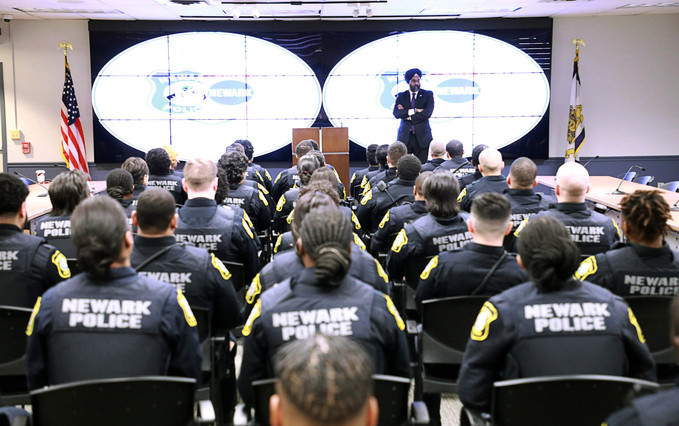
Former Attorney General for New Jersey, Gurbir Grewal visit Newark Police Dept, December 2019 (Source: New Jersey Office of the Attorney General)
Sometimes an institutional culture is so broken that it cannot be reformed and must be re-started entirely. Georgia took such a bold step successfully when it disbanded and remade its police force in 2004 after the “Rose Revolution”. After Georgia re-gained its independence in 1991 following the fall of the Soviet Union, it entered a decade of civil war and ethnic conflicts. The police force was huge, underpaid, and corrupt while crime rates were high and organized crime ran rampant. Therefore, after the 2004 revolution, the new government addressed the very public problems by disbanding and reforming the police force, conducting prison reform, and rewriting criminal legislation to target organized crime.
The reform of the patrol police professionalized the force and reduced the incentives for corruption. Since the police force had been large but underpaid, approximately 75% of police force was fired. Fewer officers were hired but they were paid 200-300% more, as well as given necessary training and equipment. This immediately increased the public’s trust and sense of safety and reduced their perception of police corruption. This reformed police force operates successfully to present day, making it an example of effective police reform.
For all its successes in changing police culture, the Georgian reform also had unintended consequences. First the resource increases for the police and prosecution were not matched by increases in the courts, which were left unreformed and dealing with the increased number of prosecutions. This led to the introduction of the American plea-bargaining system, which more quickly disposes of cases by allowing agreements between the prosecutor and defense counsel. The defendant receives some concessions from the prosecutor in exchange for pleading guilty to some or all of the charges without a full trial or ever going before a jury. Plea bargaining reduced pressure on the courts, but at the cost of further public trust. This was particularly problematic given the history of institutional corruption in the country, which led some to believe that the plea-bargaining system was just a new way for offenders to buy their freedom. Due to the high volume of cases it also led to an explosion in the prison population.
Prison reform in turn was only moderately successful. Success here came in the form of new prison infrastructure and the termination of organized crime’s control of the prison system. However, violence, overcrowding, understaffing, and a lack of proper health care, as well as a lack of skilling or rehabilitation programs continued. This was exacerbated by the strict “zero tolerance” drug laws that had American-inspired mandatory minimum sentences. These laws were draconian and led to overly harsh sentences that crowded prisons and ruined lives without meaningfully increasing public safety or decreasing drug use. While Georgian prisons were better than they were before the reforms, it was well away from a model system and reduced trust in the judiciary and the criminal justice system overall.
In light of these negative adult outcomes, international and domestic pressure encouraged the government to revise the juvenile justice system. Georgia revised its system for juveniles to focus on restorative justice, increasing prevention and mediation efforts, and making incarceration a last resort. They introduced juvenile diversion schemes, which further facilitated individuated justice. After the reforms, the juvenile process is arguably better than the adult system, which remains one of the most prison-heavy with the third-highest incarceration rate amongst Council of Europe member states. Georgia invested in juvenile alternatives to incarceration and as a result, there are very few juveniles left in the carceral system. In 2018, the re-offending rate amongst juveniles had dropped to 9%. There is still possibility for improvement—e.g., better training on age-appropriate interrogation, as is being supported by the Council of Europe—but much progress has been made.
A central lesson from the Georgian example is how important it is for a government to communicate with their public. A government can benefit from educating its citizens about why it is pursuing reforms and how the reforms are developing. This may mean being honest about unexpected consequences, rather than letting political opponents unveil such facts on the eve of an election. Reforms are costly and cultural change is a particularly long-term commitment. The failure to convince the public can to lead to electoral defeat, as the Georgian United National Movement Party experienced in 2012 when the opposition released footage of prison brutality shortly before an election. The fall of a government may in turn mean the end of the reform efforts. Lasting reforms should thus be supported by clear communication, evidence, and public engagement, so governments are less vulnerable and that the reform more likely to continue despite transitions of power.
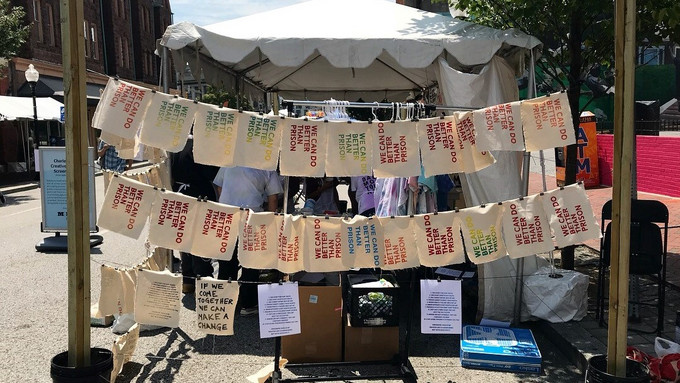
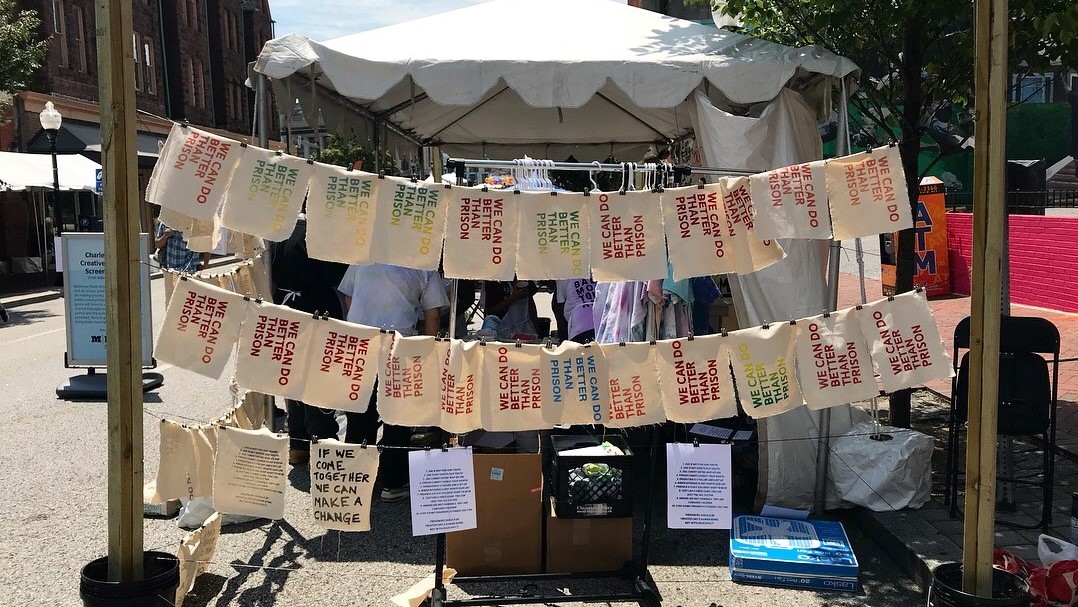
Another way of changing the culture of justice is to change the stories told about justice and the human experiences with it. Youth have greater agency when they can tell their own stories and youth justice-focused arts programs can help facilitate that storytelling. They not only promote individual dignity, emotional release, momentary autonomy, and decision-making (as well as that ability to tell one’s own story), but also help develop transferable skills, entrepreneurship, and job readiness.
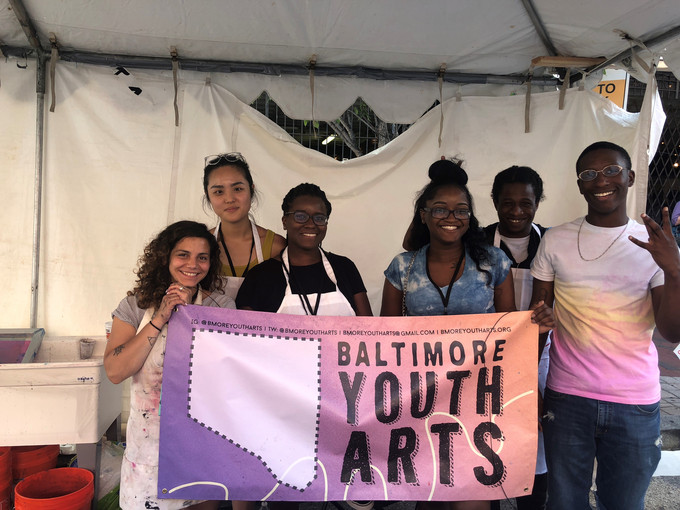
Baltimore Youth Arts (BYA) is one such arts program. BYA works with system-involved and community youth in creative skill-building and job readiness training, as well as accompanying youth through the legal process. Some creative skill-building is conducted inside the system, where it is particularly powerful. System-involved youth are still fundamentally young people. They should be allowed to play, experiment, and grow, which happens in BYA’s open-ended, student-driven, non-curriculum-based activities. These encourage playful discovery and the development of autonomy therein, an essential skill for when they leave the system.
BYA’s job readiness portion flows through their community studio. It encompasses creative entrepreneurship training in their studio apprenticeship program, partnerships with local businesses that hire apprentices, and support with resume writing, mock interviews, and referrals to local employers. BYA itself offers part-time employment and the use of their website as a sales platform. This combined with sales events and gallery exhibitions allows participants to begin to sell their work and recognize its potential as a means of earning income.
Important across their work is maintaining a mix of participants between system-involved and community youth and building long-term relationships between those participants and the community. The mix of participants helps maintain the anonymity of the system-involved, preventing stigmatization. Community relationships are personally important as youth grow and develop. System-involved youth can lose their existing relationships while they are in the system and need help rebuilding that stability when they return. Strong community ties can also assist in practical areas like finding employment or housing.
Finally, art can also unlock healing. The creation of personal art can break down boundaries quickly. In addition to improving a sense of dignity and personal responsibility, the creation of visual art or creative writing can offer moments of freedom. Creative acts can counteract experiences of deprivation, of racism, and of having been reduced to a singular narrative focused on the worst day of their life. (For another arts-based intervention focused on building unity and re-writing narratives with young Black men in the UK, see Mind Birmingham Up My Street.) Instead, creative expression allows the individual to imagine and to share the totality and the beauty of their life, their hopes for the future, with their loved ones outside. This maintenance of a connection to the world outside is particularly important in preparation for a return to normal life.
It can be difficult to convey the practical benefits of arts interventions, and many are often underfunded. Their potential has thus not been fully tapped. Beyond their immediate effect on an individual, these interventions can also support advocacy efforts more broadly. Youth in these programs can support advocacy work with visuals, while learning about democratic processes and ways they can change the world around them. Deeper collaborations could be explored in the future.
Project Second Chance (PSC) India, founded by Mohit Raj and Saanchi Marwaha, delves into a one-of-a-kind grassroot intervention infusing social entrepreneurship within the system to reimagine prisons in India. Their model places prisoners in the middle of the system's change approach. The program identifies reformed prisoners about to be released who are passionate about changing the system and provides them with a full-time fellowship in which they design and implement an initiative on specific systemic issues. Each prisoner/ex-prisoner founder is paired with a young professional with a criminal justice background, and collectively come up with an enterprise on one major systemic issue of prisons.
PSC is shifting the slow, archaic, and often ineffective prison reform ecosystem in India by putting the onus of new ideas and solutions into the hands of committed stakeholders close to the problem, including inmates. Recognizing that existing reform practices seldom include ideas from talented, connected, and knowledgeable sources, PSC has created pathways for an increased and credible supply of reformation ideas through this Second Chance Fellowship. By taking an evidence-based approach to institutionalizing ideas that create impact, such as on reduced recidivism rates, PSC is strengthening the system with fresh approaches and ideas. More importantly, it is creating a shift in the mindsets of all stakeholders in the system, from seeing inmates as worthless and a burden to society to being individuals who can create their own healing and growth paths.
In a world where lifelong chastisement is the life sentence for even a reformed ex-inmate, the prevention work that PSC is doing is creating an alternative mindset and narrative. This growing community of changemakers is becoming the core functionary of preventing youth crime.
Since 2017, PSC has helped incubate 11 new prison projects that have been created with 25+ Fellows and many Peer Fellows (current prisoners, ex-prisoners and young professionals). All of the incubated programs have ties with strong feedback loops and impact indicators, which establish evidence based on the overall impact being created. PSC uses this to spread successful innovations and reform ideas to more inmates and other prisons.
Over the last 5 years, 10,500+ prisoners have undergone PSC workshops and the team observed a 40% growth in prison inmates learning competency. In terms of impact, based on the counterfactual evaluation of each initiative, the team observed a reduction in the recidivism rate of 2.5% out of a pool of 900 young adult repeat offenders (18-21 years old). Inmates who underwent the correctional education program saw a 43% lower probability of committing a crime than those who did not. Additionally, more than 60 inmates are employed part-time within the prison's premises after completing their course. PSC aims to expand this model to cover prisons across the country and create a supply of innovators, while exploring three main avenues over the next 3-5 years: increasing advocacy and research, strengthening staff capacity in prisons, and sustaining their model across all formats of correctional institutions including juvenile and observation homes.
Indian prisons face three long-standing structural constraints: overcrowding, understaffing, and underfunding. The inevitable outcome is subhuman living conditions, poor hygiene, and violent clashes between the inmates and jail authorities. Their imprisonment often results in a staggering loss for those on remand, costing them regular employment time and economic stress. The trauma of life in prison coupled with poor living standards and undernourishment results in several thousand inmates being diagnosed with mental illness. Facing these chronic issues, one big challenge that PSC faces is in institutionalizing the interventions designed by fellows which is key to scaling and ensuring the long term sustainability of the interventions. Additionally, PSC is creating scalable and replicable programs which can be contextualized in different states in India. PSC is documenting each intervention in the form of SOPs, cross learning models, and training manuals so that the interventions can be adapted and scaled into different prisons, prison departments and so other NGOs can use the best practices. Cross learning events in the form of exhibitions, round tables, conferences are also being held so that these practices are further shared with stakeholders.
Legal systems across the world differ as much as populations, customs, languages, and societies. And yet, we find strikingly similar problems that these legal systems confront. Courts are notoriously disconnected from communities—particularly those who are most vulnerable and most impacted—leading to widespread mistrust, feelings of disempowerment, and the classic revolving door of criminal justice.
Fortunately, decades of research have identified how to interrupt these vicious cycles: addressing root causes, giving communities a voice, and investing in upstream solutions are just some of the strategies that have been proven to work.
These strategies are also hallmarks of the community court model, a model of justice that was first developed by the Center for Justice Innovation (then known as the Center for Court Innovation) with the Midtown Community Court in 1993 and replicated across the U.S. and the world in the decades since.
One of the most renowned community courts—the Red Hook Community Justice Center—sits in a refurbished parochial school on a residential block of southwest Brooklyn, New York City. The Justice Center has been operating for 25 years as a partnership between the New York State Unified Court System and the Center for Justice Innovation, a nonprofit community justice organization that centers safety and racial justice in partnership with communities, courts, and the people most impacted.
The Justice Center is unique, even among community courts. At the time that it opened in 2000, it was the first of its kind in the world, hearing criminal, housing, and family court cases in one courtroom and under one judge—a truly multijurisdictional model. Within that model, the court takes a holistic, problem-solving approach to case resolution, utilizing on-site services and resources to help resolve cases, as well as to help prevent justice-system involvement for anyone who comes through its doors.
These on-site services include a housing resource center, youth development programs, arts-based programs, a peacemaking (restorative justice) program, and a community healing and wellness department staffed by clinicians who provide support for a range of social service needs – just to name a few.
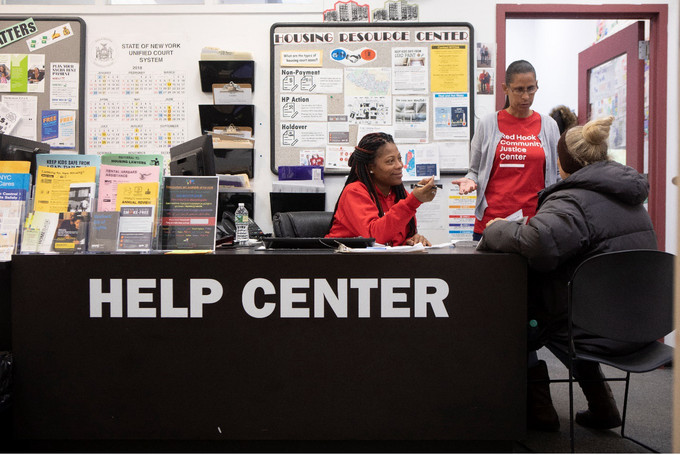
A photo of Red Hook Community Justice Center's Housing Resource Center's Help Center, featuring two Center representatives in discussion with a visitor. (Photo: Bryan Tarnowski)
Because it is embedded in the community, the Justice Center prioritizes hiring from the community and being a constant presence outside of the building itself – whether organizing events, conducting outreach, providing training, or partnering with local schools and agencies. In short, it is more than just a court; it is a hub for support, resources, and opportunities.
Given the Justice Center's distinctive, multi-dimensional mission—operating not only as an alternative criminal court but also as a housing court and a hub for social services—a key question arises: How should we define and measure its success?
Traditional criminal courts, shaped by punitive logic, typically assess success through narrow, state-centered metrics such as recidivism rates, case processing efficiency, and cost-effectiveness. These indicators reflect broader criminal justice goals of crime control and public order and are often set in a top-down fashion by policymakers and funders.
Yet, when courts like Red Hook aim to address the root causes of crime—including poverty, untreated trauma, substance use, and mental health struggles—the conventional yardsticks of criminal justice fail to capture the scope and depth of their work.
Recidivism rates, for example, might indicate whether a person returns to criminal behavior, but they tell us little about whether that person has secured stable housing, found meaningful employment, repaired broken family relationships, or regained a sense of dignity and belonging in the community. Likewise, measuring efficiency in case processing offers no insight into whether defendants feel respected, heard, or treated fairly in court—all crucial for building trust in justice institutions, especially in marginalized communities.
These limitations call for a broader, more community-centered approach to defining success, one that takes seriously the perspectives and experiences of those directly involved in or impacted by the justice system—not only defendants but also their families, neighbors, service providers, and the broader community.
Without being aware of these perspectives, policymakers and practitioners risk overlooking essential dimensions of justice and may fail to address the deeper issues that community courts were designed to confront. The first study that adopted such an approach was conducted as part of an evaluation study on community courts in Israel.
Over its 25 years in operation, the Red Hook Community Justice Center has demonstrated success by various metrics. Most notably, a 2013 study conducted by the National Center for State Courts found that the Justice Center's criminal court managed to decrease recidivism, reduce the use of jail, save millions of taxpayer dollars, and also bolster trust from the community. Periodically, Justice Center staff have also conducted neighborhood surveys to track community members' perceptions of safety and trust in justice system actors.
While these findings have provided critical information to the Justice Center's decision-makers and programmatic staff, there was one question that had never been posed to the community: How would you—the community—define the success of the Justice Center?
After all, what we measure is just as important as who gets to decide. And in this case, a unique opportunity was presented to give the community a voice in defining what they think success looks like and how that should be measured. A recent empirical study led by Hadar Dancig-Rosenberg, a Professor of Law at Bar-Ilan University, and Peter Dixon, a sociologist and Associate Professor of Practice in Negotiation and Conflict Resolution at Columbia University, offers a critical intervention into how success should be conceptualized and evaluated at the Red Hook Community Justice Center.
Inspired by a participatory research methodology called Everyday Peace Indicators, they gathered insights from a wide array of the Justice Center's stakeholders—including local residents, youth involved in Red Hook's programs, justice center professionals, former defendants, family members of defendants and crime victims, and police officers.
Conducted in 2023–2024, the research included nine focus groups and two public voting sessions. Participants were asked to prioritize 72 community-generated indicators of success that emerged from the focus groups. This process brought diverse voices into the conversation and allowed for a community-driven articulation of what "success" should mean in the context of Red Hook's unique justice model.
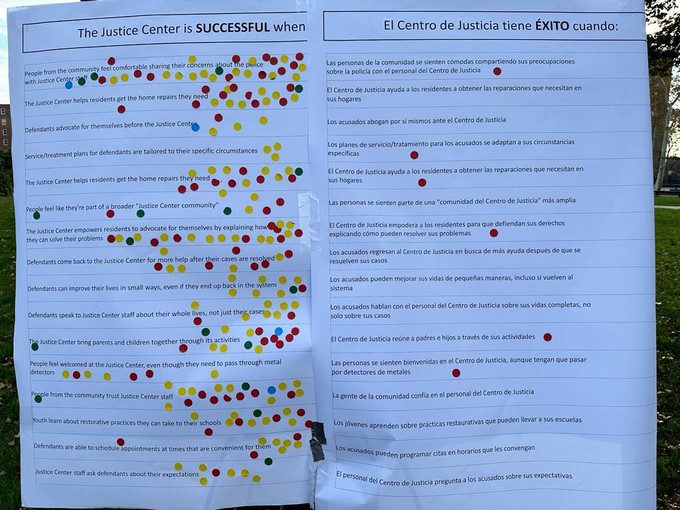
A photo from a public voting session, where participants prioritized community-generated indicators of success. (Photo: Bryan Tarnowski)
The study's findings reveal a rich, multifaceted, and deeply relational understanding of success, one that goes well beyond conventional criminal justice metrics. Public safety and recidivism reduction—often treated as the primary goals of community courts—were not among the most important indicators for study participants.
Instead, participants prioritized outcomes like providing essential housing support to residents, building trust and meaningful relationships between the community and the Justice Center, and creating educational, mentorship, and career opportunities for youth. Community members emphasized the Center's role as a bridge between marginalized residents and state institutions like the police and courts. They called for the Center to advocate on behalf of residents navigating systems that often appear unjust, inaccessible, or unresponsive.
Justice professionals, while also embracing broader goals, emphasized individual rehabilitation, procedural fairness, and empowering defendants to take responsibility for their lives—though even these visions were framed in supportive, rather than punitive, terms.
Remarkably, retributive goals and punitive outcomes—such as imposing burdens to make defendants "pay" for their offenses—were almost entirely absent from the community's conception of success. The community's focus was instead on healing, support, and empowerment, reflecting a profound rethinking of what justice should look like in a community context.
This divergence from conventional definitions of success suggests a fundamental shift in how justice is understood and what a justice institution should strive to achieve.
In Red Hook, justice is not simply about enforcing criminal law and reducing crime rates but about addressing systemic inequalities, building trust, and creating spaces for healing and opportunity. In this sense, the Justice Center is not only a criminal legal institution but a place where criminal justice is intertwined with welfare, education, and community-building. The study also highlights an important tension that runs through the Red Hook experiment and community justice more broadly: the tension between systemic accountability and individual responsibility.
Community members tend to view defendants as often more victims of unjust systems than perpetrators of crime—a perspective shaped by long-standing experiences with over-policing, racial bias, and economic marginalization. Justice Center professionals, while embracing rehabilitation and fairness, may focus more on defendants' potential to take responsibility and transform their lives. Both perspectives are valid and essential, but recognizing and navigating this tension is critical for any justice system that seeks to serve—rather than control—its community.
The broader contribution of this research is its challenge to dominant, top-down models of evaluation and its call for bottom-up, participatory approaches that prioritize the voices and experiences of those most affected by justice systems. Rather than discarding traditional metrics like recidivism entirely, Dancig-Rosenberg and Dixon argue for expanding the framework of evaluation to include also community-defined indicators, thereby offering a more complete and just measure of success.
Ultimately, the research presents a powerful vision for community justice. According to study participants, justice is not only about what courts do to people but also about what courts do for people and with people. For community courts like Red Hook—and for justice reform efforts more broadly—this means moving beyond punitive and efficiency-based models toward a justice system that heals, empowers, and builds trust.
The implications are profound: if we listen carefully to what communities tell us about what justice means to them, we might be able to reimagine not only how to define success but also how to deliver justice itself.
Corruption, social discrimination, as well as personal and political interests can be key obstacles to any successful reform. All of these should be addressed to rebuild public trust before conducting system-wide reform. Training in particular will not solve cultural and political problems and will be eroded if the latter go unaddressed. Deeply corrupt societies require deep cleaning. This may temporarily leave the system understaffed but will ultimately improve the country’s ability to deliver justice. If a system is not yet able to address these deeper problems, smaller reforms like faster court proceedings or increased trainings are still possible and they can be valuable ways of increasing momentum. These will however likely be temporary if conducted alone.
Sometimes the impetus to reform comes from outside a country. Focusing on improving the rule of law and national institutions is common across reform efforts, but the individual approach and measurement are country dependent. The measurement of progress typically refers to a country’s baseline before the reforms, although the UN Sustainable Development Goals, particularly Goal 16 (Promote just, peaceful and inclusive societies), and Transparency International’s Corruption Index are useful, standardized indicators. When selecting which interventions to replicate, reformers may find it helpful to begin with interventions that were successful in countries with similar histories or social dynamics.
Conducting internationally supported reform projects in transitional countries can require changing the culture of justice, which in turn requires domestic support and interlocutors across all sectors and levels of society. To achieve government, justice professional, and community buy-in, reforms should consult all parties to identify the existing justice concerns and share their plans for reform. Inter-agency cooperation is very important and may involve unusual players, e.g., it might mean including the Postal Service to improve the speed of legal service and ultimately justice.
International organizations supporting domestic reform should beware of “tick the box” projects and window-dressing governments unwilling to reform. Tick the box projects are surface-level reforms that look productive but have little to no actual effect. This could for example take the form of building a child-friendly police station without training the police officers on the new equipment or in conducting child-friendly interviews. These projects use funds without lasting impact and should therefore be avoided. Similarly, governments can use the presence of well-known international organizations to present an image of reforming without actually doing so. In both cases, strong domestic support, follow-up, and broad stakeholder engagement protect against such costly, yet ineffective reforms.
Domestic political leadership should also support the reforms, which can be challenging if a country has a contested history. Particular difficulties can arise in transitional countries if a key leader and reform ally has an alleged problematic history. Reformers should consider carefully whether to work with such a person. They could be an excellent reformer but also carry baggage that may pose a risk to the integrity of the reforms.
Popular consultations are also important. Reforms should be participatory and as inclusive as possible. If part or all of the community does not identify with their own criminal justice system or believes the reforms will not benefit them, it can be helpful to counter these concerns with concrete sample improvements. For example, faster court proceedings would allow the courts to remove drunk drivers from the road more quickly, thereby benefitting all by reducing traffic deaths.
Leadership matters, but investment should build up institutions rather than only accruing to individuals. While individuals can be replaced, strong institutions can withstand sustained attack and the replacement of individual leaders. A professionalized justice system is less vulnerable to political changes than an elected one, making this the preferred model. Notably strengthening local ombudspeople is a way of strengthening both those individuals and the institutions they seek to keep honest.
Two effective ways of building up local institutions are opening legal resource centers and conducting judicial trainings. These scalable interventions ultimately improve the culture of justice by working through individuals to support the broader system. Legal resource centers provide aid to vulnerable population while training legal professionals in their field. Judicial trainings, like moot court, teach judicial actors about technical aspects of the process while also allowing them to switch roles. This fosters an understanding of the greater system and the challenges or constraints the opposing party may be facing.
Internationally supported reform projects have two vulnerabilities: their funding and domestic political changes. Many funded projects do not consider how their work continues after the funding ends, but they should plan for their exits. This means that sustainability, e.g., whether a project may pay for itself, is an important factor to consider. Legal clinics are examples of such initiatives that could be taken on by a local partner, e.g., a university. International organizations invited by a government to advise on reform efforts are also reliant on the host’s political will and may be disinvited under a new government, particularly if reforms are not going well. Therefore, international efforts should work to protect themselves by harnessing the government’s self-interest, by highlighting cost savings, positive press, etc. Finally regime change can affect a reform even if a new government wishes to continue the effort. A new ruling party may re-staff all police and administrative positions, thereby undoing previous training. This is something international reformers should keep in mind in the face of upcoming elections.
Regardless of who originally encouraged the reforms or how positive or stable a culture appears to have, citizens should remain vigilant. Every system needs a watchdog or several, be they international organizations, domestic civil society, media, or ultimately an engaged public demanding justice. This engaged citizenry should be developed wherever not already present as an additional safeguard once a system has been transformed.
From an individual’s sense of dignity and agency to the broader themes of restorative justice and the key role of prosecutors to the ambitious reforms undertaken in New Jersey and Georgia to the intricacies of working with countries in transition, changing the culture of justice is deeply participatory. Changing culture is equally a project for leaders, for institutions, and for the public to evolve their thinking. It is about demonstrating the human, safety, and financial benefits of a changed system and showing that accountability need not require punishment. It is about locating and addressing the weaknesses in the current system—corruption, bias, inequality—to arrive at systems that offer better safety and community outcomes. Such transformation may be slow and multi-faceted as each piece adjusts, but the depth of change can make a system more resilient in the face of challenge.
Ultimately however, the criminal justice system alone cannot solve social injustices. Systemic challenges require systemic solutions. Changing the culture of justice is an integral part of violence prevention, but solutions must also ultimately flow from re-shaped social structures and opportunities. A broader approach to transformation—focused upstream of the criminal justice system—will reduce the number of people who come into conflict with the law and the impact of the criminal justice system on their lives.
One frequent factor when people come into continuous conflict with the law is race or identity. In many societies, disadvantaged social groups—whether defined by race, ethnicity, religion, social status, or another factor—encounter public safety authorities more frequently. In the UK, Black people are stop-and-searched four times more often than white people and Black men have tasers drawn on them at a rate eight times that of white men. In the US, Black neighborhoods often experience high levels of social control and surveillance policing, but are under-served when it comes to emergency services. In India, caste distinctions factored into police treatment, with increased brutality experienced by the Dalit (the lowest caste). These increased interactions with the police can increase a person’s criminal record and increase their likelihood of being incarcerated, triggering serious life consequences that are less likely for those engaged in the same activity without police presence. These disparities are particularly problematic for non-violent offenses like drug possession and where they go so far as to be coded into the criminal justice system.*
Notably, a history of disadvantage can also infuse interactions with local authorities, particularly police, with tension even if these authorities have undergone additional training and seek to diffuse tensions. This can cause disproportionate stress to these groups and affect community dynamics. The focus in moving forward and designing new systems should be on inclusivity (particularly at leadership levels) and dialogue to allow healing while also holding accountable those responsible for historical systemic injustice.
Systems like housing, banking, law enforcement, and even access to healthy food can be designed to perpetuate systemic inequalities, generating the causes of some crimes. In the US, housing and banking policies for example contributed to creating majority-minority neighborhoods that experience high levels of policing. These systems can be included in reforms advancing equality. During this process, the culture of policymaking should broaden, so that policymakers and politicians hear from uncommon voices with uncommon experiences to better understand the challenges experienced by affected communities. The knowledge necessary for change resides both in those who experienced the inequalities produced by these systems, as well as in those who control them. Sharing both sets of knowledge with the intent to create a more equitable society can support reforms.
One system to highlight as able to accelerate other cultural reforms and act as a force-multiplier is the educational system. Equal educational opportunity is particularly important in improving youth outcomes, but local structures can inhibit those opportunities. Merely having the right to education does not guarantee educational access in practice. Poorer areas often offer lower quality educational opportunities, which can promote negative cycles. The US educational system, for example, relies on property tax funding, which exacerbates socioeconomic disparities. Similarly, despite a constitutional right to education, some rural South African schools not only lack resources and teachers, but adequate sanitation and electricity, negatively affecting the learning environment.
Access to education or the lack thereof, with the resulting opportunities, plays into the likelihood of a youth becoming criminal. Therefore, investing in education is one way to reduce crime and violence. Additionally, some schools currently interact with criminal justice institutions and processes in a problematic way. In the US, this takes the form of the “school to prison” pipeline, which can rob (disproportionately non-white) children of their access to education as well as their freedom by criminalizing minor infractions. Such interactions should be monitored and reformed to prevent such early transfers to the criminal justice system. Embracing positive discipline strategies instead of punitive ones can improve school safety and academic performance, improving outcomes for all students. (See Case Study 1 | Glasgow and Inter-Agency Collaboration in Public Health Approach section.) Going forward, the question of where educational investments could play a role in violence prevention and how to best teach the contested histories whose legacies shape student identities and experiences with the justice system should be further investigated.
Several Fellows from the Global Innovations on Youth Violence, Safety and Justice initiative have been additionally featured on the Salzburg Global website. Please read more below.
Tess Peacock, Rosette Sifa Vuninga, Nontsikelelo Dlulani, and Enhle Mpungose reflect on the challenges facing South Africa and possible solutions
Goodwin Liu, associate justice of the California Supreme Court shares what inspires him as a leader
Sha Elijah Dumama-Alba is creating a new legal system for the Bangsamoro Autonomous Region with inclusive and restorative justice at the forefront of her work
Lourdes Rodríguez talks about how philanthropic practices intersect with issues of power and equity and how the David Rockefeller Fund supports and encourages a holistic approach to justice
Jonathan Blanks writes about one officer's evolution and the problems he faced trying to make a difference for the communities he served
How do we change a justice system that fails so many? From the US to Ukraine the root answer might be the same
On the day he lost his younger brother to suicide in 2003, Khary Mason knew he would never be the same.
It had been five years since his first day at the Detroit Police Department in 1998, and now Mason himself was suffering the consequences of a system that focuses on punishing offenders rather than repairing harm.
It was a system he was sadly long familiar with. Even before he had joined the Police Academy, “My brother got placed in a juvenile holding facility because he had taken my mother’s car,” Mason recalls.
“He was locked up in a juvenile prison where juveniles who kill, rape, assault, rob, carjack other individuals in society are placed – children that are thrown away and abused behind those walls. And when he came back, I was expecting the same brother that had left, but he was a markedly changed person.”
With almost 2.3 million of its 331 million inhabitants behind bars as of 2020, the United States has around a fifth of the world’s prisoners – and one of the highest incarceration rates on Earth, according to official data gathered by the Prison Policy Initiative, a non-profit organization. And while African Americans like Mason and his brother account for about 13 percent of the American population, they make up 40 percent of the country’s inmates.
“Law enforcement was born broken,” Mason points out. “It was born in a way, like many other institutions, to serve white supremacy… Policing in North America is born from the Slave Patrols and Indian Constables.”
Since 2016, the special agent for the Michigan Attorney General’s Office and former homicide detective has been one of the mentors of Capturing Belief, a photography and creative writing program aimed at children from marginalized areas, under the motto “No one should be able to tell your story better than you.”
His personal and professional pain have taught Mason that a new definition of law enforcement is a must.
“If you start at the beginning in these children’s lives before they make a mistake and you meet them with resources that are missing, society has a better chance. But that means that we must care for everyone.”
He hopes those children he is supporting will have the chance that his brother did not.
“If you start at the beginning in these children’s lives before they make a mistake and you meet them with resources that are missing, society has a better chance.
But that means that we must care for everyone.”
– Khary Mason

A thousand kilometers to the east, Gurbir Grewal served until July 2021 as Attorney General of New Jersey, where he devoted years to what is probably the country's most ambitious police reform.
Appointed directly by the governor, and with sweeping authorities empowered by an expansive state constitution, he has more power than any of his peers in the United States, and has used that power to overhaul New Jersey's use-of-force policies and to retrain every police officer under his jurisdiction.
“We’re starting with the premise that in every interaction, we’re going to respect the person we’re interacting with, the sanctity of their life, their dignity,” Grewal said once, “because if you take away somebody’s dignity, in some cases that’s all they have.”
These trailblazing changes – the first in more than 20 years – include limiting the use of force to a last resort and a ban on certain subduing methods like knee-on-neck restraint that are commonplace in the country.
The first and only Sikh American state attorney general in the country, he repeatedly fell victim to racial profiling in the years after 9/11, and that made him understand “what it feels like to be on the other side.”
To help enforce the new policy, Grewal has launched an innovative online dashboard where all uses of force by officers must be reported.
“Culture eats policy for breakfast,” he jokes, implying that without education and conversation, no policy change can last long.

Two decades earlier, on the other side of the world, post-Soviet Georgia had also attempted ambitious police reforms, following the Rose Revolution of 2003, which saw the ousting of the former Soviet-era president.
Those radical changes of 2004 spurred the justice system to combat a persistent high crime rate – one of the highest in former Soviet countries – with the punitive United States model and Italian anti-mafia legislation as inspiration.
On the positive side, corrupt police officers were wiped out following the firing of most of the force. In turn, fewer agents were hired, but paid considerably more and offered better training and equipment. That discouraged organized criminals who had been empowered by corruption and helped a fearful society rebuild trust in the police.
However, despite paving the way for an almost crime-free country, stricter laws and a more efficient police force caused prison populations to skyrocket. Numerous human rights violations followed.
“The penitentiary system was not ready to accept that many people, so it ended up with overcrowded, dirty prisons with high prevalence of tuberculosis and hepatitis,” says George Tugushi, international human rights lawyer from Georgia, who watched the reform process closely and later served as Georgia's human rights ombudsman from 2009-2012.
His compatriot Leila Marshania, a rule of law and human rights expert, also witnessed the reforms as an independent consultant for the European Union.
“The reforms of the justice system were absolutely necessary, but it would have been better to have a more humane approach rather than a punitive approach,” she stresses. In her view, the initiative was only “instrumental” and in the interest of the “economic development of the country.”
According to Tugushi, “any reform... should never forget about human dignity and especially respect for human rights, but as it appeared in practice, it’s not always that easy, and governments usually fail to balance the respect for human rights and implementing the reform.”
“To me, human dignity has to be at the heart of everything, ...but it’s never at the center really; it’s just nice words,” Marshania laments. In the aftermath of 2004, “every person in Georgia either had a family member, a friend or an acquaintance incarcerated.”
In the following years, increasing pressure from Western countries and international organizations forced the Georgian authorities to finally envisage alternatives to the zero-tolerance policy. The goal was to avoid imprisonment while still holding offenders accountable for their crimes via “diversion programs.”
“Criminal justice became much more liberal, an amnesty law was initiated and sometimes thousands left penitentiaries [in a single day],” says Tugushi.” Now, the Georgian prison population is around half of what it was, “...but there are allegations that corruption is coming back.”
“Any reform... should never forget about human dignity and especially respect for human rights.”
– George Tugushi
“Human dignity has to be at the heart of everything.”
– Leila Marshania
The overall success of the Georgian experience, with its ups and downs, inspired Iryna Shyba across the Black Sea in Ukraine to pursue a career in law centered on restorative justice. This means allowing both victims and offenders a chance to hear each other out, rather than just impose punishment.
“People say that they want revenge and punishment, but this is something they often say but not necessarily need or not necessarily helps them overcome the conflict or the trauma,” says Shyba.
Serving as an executive director for the non-governmental organization DEJURE Foundation, she is optimistic about a “changing attitude” towards justice in Ukraine.
“I think we have made a significant shift over the last 20 years, because from a totally punitive post-communist system, where the only goal was to convict and punish the criminal, we are now talking more about satisfaction of the victim and restoration of the harm.”
Yet, the focus remains on punishment.
Based in the capital Kyiv, the DEJURE Foundation is struggling to deepen judicial reform.
“What we have seen in our work with mediators and restorative justice programs is that actually people often need something totally different: they need to feel safe, protected, and hear ‘I’m sorry.’ ...They often need to face this offender and learn why it happened to them,” Shyba adds.
Like in Georgia, their projects include “child-friendly justice” programs, to make sure that children who committed a crime for the first time take responsibility for their actions, but without going to prison. Instead, a meeting is arranged with the person they offended, so they try to reconcile and repair the harm.
Projects of the like are emerging to support adult offenders too, helping them find jobs and learn new skills.
“We need to distinguish the action from the person,” concludes Shyba. “Everyone can make a mistake, I think everyone in their life has made some wrong decisions,” especially in a country marred by economic hardship.
In the heart of Europe, Czechia faces similar challenges – and Petra Masopust knows that well.
“You can see relics of the past in the law and the process,” says Masopust, who is the chairperson of the Czech Institute for Restorative Justice.
She emphasizes how important it is that those affected by the crime participate in the solution, and that the offender genuinely accepts their responsibility as they both start a dialog under their free consent in a secure environment.
Such interaction does not exist in most criminal procedures, which in many cases are far from being the “healing experiences” Masopust says they should be.
Coming from a family of lawyers where conversations about justice were always present, she set out to bring a new, empathetic, and restorative mindset shift to her country’s very rigid criminal justice system. Despite a lack of budget and influence in the system, she did not give up and succeeded in introducing restorative justice into Czech law schools, while involving all the key players to build towards a larger transformation.
Rather than pushing down legislative changes from above, Masopust’s strategy consists in engaging legal practitioners such as lawyers, judges, legislators, prison workers, and parole officers in a hands-on experience where they can imagine restorative justice together.
“The purpose of the criminal proceedings is still to find and punish the offender, but it should aim at fulfilling the needs of the victims and the possible redress of the harm done, while supporting the offender in accepting their responsibility,” Masopust explains.
“It’s difficult for me to accept and understand that we have a system that is actually not helping the people, so I would like justice to be a process that does help the people.”
Similar to Grewal’s “culture eating policy for breakfast,” Tugushi assures that “it’s very easy to get rid of the law,” but after 70 years in the Soviet Union, “it takes ages to change the mentality of people... and make them understand that the system can function in a different way while still letting you enjoy your life.”
“It’s difficult for me to accept and understand that we have a system that is actually not helping the people, so I would like justice to be a process that does help the people.”
– Petra Masopust
“The new definition of law enforcement should stand up to the test of, ‘Are you making society safer?’” says Mason.
“Law enforcement agencies create task forces for neighborhoods that are hotbeds for crime and they tell the public that it will make things safer. Will it remove people who are shooting and robbing people on the streets? Yes, it will. Will it stop those individuals from being created in the next 20 years? No, it won’t! Because all it does is remove an outcome; it doesn’t remove the root of the problem.
“The root of the problem is we lack empathy.”
Regardless of the large distance between them, these trailblazers are sharing their pioneering ideas at Salzburg Global Seminar’s initiative, Global Innovations on Youth Violence, Safety and Justice, joining forces to fight for a common goal: a justice system that helps everyone.
A “whole systems approach” (under different names in different contexts and jurisdictions) looks beyond the traditional criminal justice system to address youth violence reduction and criminal justice reform. In this approach, policymakers have used scientific evidence and the best available research to identify what causes violence in youth and what interventions can stop it from spreading.
In some places and contexts, this has been referred to as a public health approach, which treats violence like a health crisis, suggesting policymakers use scientific evidence to identify what causes violence and what interventions can stop it from spreading. This has expanded into the whole systems approach when different organizations and professions come together to support youth and address the causes of violence holistically.
The interest in a "whole systems approach," initially developed as a "public health approach," arose from a recognition that it may be more effective and ultimately less costly than the traditional public safety- or security-focused approaches. When police are called to address someone experiencing mental health challenges, the situation may escalate and that person end up injured or killed rather than introduced to the relevant services. That response has not only a human, but a financial cost: US law enforcement spent an estimated $918m on transporting people with severe mental illness in 2017. When youth are excluded from schools in a bid to increase school safety, they may instead contribute to rising violence and crime rates in the community. When more people are arrested or incarcerated for the use of illicit substances, it is very expensive but there is no evidence that it deters drug use, increases community safety, or reduces recidivism. Despite high levels of expenditure, public safety-focused models often struggle to deliver the safety communities have tasked them with.
In all these cases, outcomes could improve by embedding the public safety component into a larger integrated public health approach. Public safety officials often intervene right before or immediately after violence has occurred and they may not be best placed to address the aforementioned challenges. Public health approaches can however step back and consider all the factors flowing into that final moment, while drawing on a broad range of professions with wide expertise. This improves their ability to intervene peacefully and over time mitigate the causes of violence overall, reducing the need for and cost of public safety officials required to intervene at that final stage.
Key elements for building a public health response to violence reduction include incorporating police and other actors in the criminal justice system into a larger prevention framework. This framework works from senior to junior levels and takes a victim approach, examining an individual’s vulnerabilities and risk factors (e.g., mental health, abuse, adverse childhood experiences, exposure to extremist ideas) to prevent acts of violence before they occur.
An understanding of these risks and challenges also helps guide the development of partnerships to better support specific vulnerabilities. Some organizations have even gone beyond cooperation to dedicate part of their budgets to commissioning work from local partners, a powerful way of expanding an organization’s expertise. The Wales Violence Prevention Unit, for example, has hired hospital nurses in a busy local emergency department to engage victims immediately and understand root causes of the violence that brought them into the hospital, thereby helping prevent additional violence. Finally, an effective public health response ensures young people are central to a program’s design and part of the partnerships, so that they are given the voice and respect they deserve.
The best public health programs develop organically, with iterative and evaluated community-driven processes. Different challenges and demographics require local solutions. This can cause tensions with funders—whether foundations, international non-governmental organizations, intergovernmental organizations, governments, or even corporate funders—who aim to maximize the efficacy of their intervention and to increase the reach of their funding by prioritizing scalable solutions. Many funding partners also want to see the full program before committing their funding. Beyond building relationships with funders and explaining one’s process, a best practice that addresses this tension is to ensure ongoing evaluation and the modification or termination of initiatives that prove to be chronically ineffective. This is particularly important since each locale’s challenges require tailored solutions. Hence, an intervention that was highly effective in one jurisdiction may be ineffective elsewhere. It is also important for program designers and funders to be mindful that successful initiatives can take decades to complete a cultural shift. Where progress is occurring, programs should not be abandoned prematurely, even if results are slow to unfold.
Moving to a public health approach can seem daunting and a luxury reserved for those countries that can afford to invest in prevention. The shift however needs not be a matter of additional financial investment. Successful projects are not a matter of extra layers, but of changed culture and better-connected resources, which means re-allocating existing funds to enable such a cultural shift. This requires a degree of political agency but does not require budgetary authority. In time, a successful public health approach can also to generate savings as the costs of violence and incarceration decrease.
Successful approaches do require a minimum of sufficient resources to work proactively. Given the centrality of prevention to this work, the long-term success of a public health approach depends on the ability to prevent a build-up of backlogged cases and to respond quickly to new information.
When entities, particularly governments, are allocating funds, more money should flow to vetted non-governmental organizations. Dedicated groups can be powerful local partners, close to their communities and trusted by families. They may therefore serve as a bridge to statutory services, which are sometimes mistrusted and avoided by those they serve or at risk of imposing a vision without sufficiently consulting those affected.
One specific tool is central to successful public health approaches: data. It plays a key supporting role throughout the planning and delivery cycle. At the start, it is helpful to use a wide range of data to study social challenges and identify risk and protective factors, as well as promising partners. Some organizations are also exploring the use of algorithms to track violence or identify at-risk members of their community, in order to channel their limited resources most effectively. While these algorithms are useful and can process large amounts of data—including ideally inputs unrelated to the criminal justice system, e.g., struggles in school, to prevent any interaction with the criminal justice system—they are also susceptible to biases and should be reviewed and improved continuously. This is particularly important as the very act of targeting services, although well-intentioned and necessary in light of limited resources, risks labeling recipients of those services. Therefore interventions should benefit a broader population where possible and particular care should be taken whenever identifying and working with subsets of individuals. Finally, data and metrics allow the evaluation of interventions to ensure limited resources help scale the most effective ones.
Ultimately the goal of youth violence prevention should not be to control individual behavior at the stage of violence, but to set a context in which violence is not the first or only answer. This requires reaching further back to help children—well before they become young adults—learn and grow without hurting themselves or others. This means building safe resilient communities that can manage pressures from within and afford their children such space. Key factors affecting the resilience of our youth and their communities include housing infrastructure, education, poverty and employment opportunities, adverse childhood trauma and the lack of safety in schools, and physical and mental health. All the agencies responsible for these areas play a role in a successful public health response.
Safe urban spaces are of particular importance. Urban planners are an important partner for densely populated and under-resourced areas as they can assist in developing safe youth spaces. Playgrounds are good examples of dedicated and accessible areas for neighborhood youth. Similarly, outside of their official functions and educational plans, schools offer valuable safe physical spaces wherein it is possible to foster community connections. (See Youth Violence and Safety section, Case Study 1 | UNESCO and Open Schools.) When designing any of these spaces, one simple consideration to keep in mind—build connection and return power to the community—is asking how the community would like to use the space, rather than determining programming externally.
It is not merely about creating the necessary safe physical spaces, but about building trust between the organizations engaged in violence prevention efforts and the community, so they can build up the members of the community and their children. Community and families must feel respected by and comfortable with the authorities, just as their children must seem the same with teachers. This can be difficult if teachers, police officers, or social workers come from different backgrounds, which is further exacerbated when the representatives of these systems do not look like the people they’re teaching, policing, or treating. Not only should these institutions be more diverse in their hiring, but they must actively work to bridge these divides. A public health approach recognizes these challenges and convenes appropriate representatives with their communities.
Glasgow, Scotland, UK stands as one of the best examples of a successful public health approach to violence prevention, marked by high levels of inter-agency collaboration with a clear shared mission. By way of background, Glasgow has very high levels of deprivation —many families experience barriers to social inclusion, from challenges with drugs and alcohol to poverty—and historically it had high rates of excluding (suspending or expelling) disruptive children from school. Recognizing that exclusions lead to adverse consequences for the child, Glasgow turned toward a new focus on “nurturing” the child. To this end it implemented a public health approach where schools partnered with police, social workers, community groups, and non-profit organizations. Over the last 13 years they changed the culture and ethos away from blaming behavioral problems to emphasizing the “nurture” focus and trauma-informed practice and training all parties to understand the child, the reasons for its behavior, and the family’s context.
The Glasgow approach recognizes that “all behavior is communication” and that what happens in schools will spill out into the community. When a child is rude to a teacher, this prompts an investigation to determine whether the child may need additional support. In the Glasgow approach, all parties need to be trained in restorative conversations, self-regulation, emotional literacy, language for their own emotions, and how to be active bystanders. (See Case Study 1 | New Jersey and Police Reform in Culture of Justice section.) This approach equips children with the knowledge, language, and tools to manage their emotions in school and the community. It also builds resilience in the child, family, community, which is reflected in the program’s results. Since adopting the new approach, Glasgow has seen a 50% reduction in youth crime and an 87% reduction in exclusions.
Schools can play a larger role in violence prevention, where the curricula allow it. There is a global trend toward nurture and well-being, which supports interventions like Glasgow’s (which has been adapted and adopted in South and East London) and is particularly important as children recover from lost structure during pandemic. Given the tremendous amounts of stress youth and their families have experienced recently, the necessity of including resilience, emotional literacy, and open conversations in school curricula has only risen.
Often combating youth extremism lands at the feet of public safety officials or local schools, but it is better suited to the broader public health approach with collaborators from across a person’s environment. (Prevent, the UK’s counter-terrorism strategy, is an example of such a public health approach.) It is no simple matter to deconstruct an ideology once it has taken hold in a person, so preventative measures are preferable to reactive intervention. The range of expertise offered by different agencies can help address the root causes pushing someone towards extremism and engage them earlier. The promotion of critical thinking and use of peer networks can also help build resilience to and ultimately break down extremist beliefs.
How does a public health approach go about tackling extremism? When it comes to the deconstruction of beliefs, rather than attacking the belief system directly, it can be often less intimidating and more effective to show the ideology’s negative effects on commonly held values, like liberty, women’s rights, freedom from discrimination, or freedom of speech. Having established common ground, it is then possible to build out from that point of passion to a larger set of beliefs.
When setting out that set of beliefs, it can be more powerful to offer positive alternative messages than counter-narratives. The classic counter-narrative of “this belief is wrong” has the weakness of centering on that belief, but a positive alternative vision offers a different future that can be worked towards together. Here again, the messenger is equal to the message, making credible role models and peer-to-peer support are more effective than external interventions. Particularly in realms as sensitive as religious interpretation, a credible messenger well versed in the subject matter is the best choice to offer the most powerful alternative interpretation.
Finally, a cautionary note: education is a powerful tool, but it is not a cure-all. Not only are schools’ resources constrained and their mandates broad, but education alone cannot safeguard against violence, extremism, or terrorism if they appear to be a person’s only option to be heard. Therefore initiatives, including creative and performance-based outreach, to build youth awareness of and belief in the available democratic avenues are sorely needed.
A public health approach both requires and enables the large cultural shifts that build mutual respect and trust between communities and those in positions of power, including teachers, administrators, and police officers. They therefore should be included in the process earlier rather than later.
As reforms are often seen as “more work”, one natural way of re-training these groups is to involve them in the systemic change, showing them how it aligns with their existing key performance indicators. Another central component of the cultural shift is training on and challenges to these individuals’ biases, conscious or unconscious. Biases or blind spots can be ethnic, sectarian, or power-based and can arise from circumstances as simple as the aforementioned dissimilar upbringings, but all can be confronted, and their repercussions considered.
Building respect and trust may require addressing systemic racial or social biases and working to rectify them, both within the institutions and by holding them accountable from without. While addressing these legacies, people within schools, police departments, and other institutions should consider confronting racist or sectarian comments when they arise, rather than treating these as funny or harmless. Public consequences are particularly important where the differences or biases have undermined public trust.
Police as specific agents of power can receive additional training in a variety of areas including on trauma-informed practice, on implicit bias, and on interacting with people experiencing acute mental health challenges and substance use disorder (see Culture of Justice | Case Study 1). In particular, it may be helpful to understand how these struggles interact with racial dynamics. In societies marked by racial disparities, these disparities often appear in policing. In the US and UK, disproportionately high levels of people of color are targeted for basic police interactions like traffic stops or stop and searches. This often occurs without evidence of criminal activity, but simply due to increased patrols in majority-minority areas and can cause young minorities to come in contact with the criminal justice system at an early age. Such over-policing should be curbed, even as police learn to do these stops in a more dignified manner. Simultaneously young people can prepare for these interactions and be empowered to hold police accountable when they are stopped.
In some contexts, youth can, as exemplified in the Peace Ambassadors Integration Organization in Kenya, also help make their communities safer and more secure by sharing responsibility with the local police. The organization was started as a cooperation between students and the Kenya Administration Police Service to support peacebuilding efforts and it still runs model community policing initiatives. The Peace Ambassadors Integration Organization also serves as platform to mobilize, organize, educate and engage young people to empower them and develop their communities. They are largely coordinated through peace clubs at targeted institutions of higher learning, which serve as anchors. These clubs structure youth engagement and advocacy, teach peace and conflict resolution classes, and organize dialogue forums between students, administrators, and police officers at their local institutions. To reduce the tensions that may lead to violence, they also engage directly with the challenges around resource allocation, racism, and extremism that arise at these institutions. The power of this intervention is reflected in the numbers; violent conflicts have fallen by over 50% in the institutions where Peace Ambassadors operates.
In addition to facilitating exchanges between their university chapters across Kenya, one of the Peace Ambassadors’ most successful programs has been a mentor/mentee program between their university members and school children. Facilitating such personal dialogue can help break down many of the barriers and build mutual understanding, as well as facilitate social entrepreneurship training or improved academic performance.
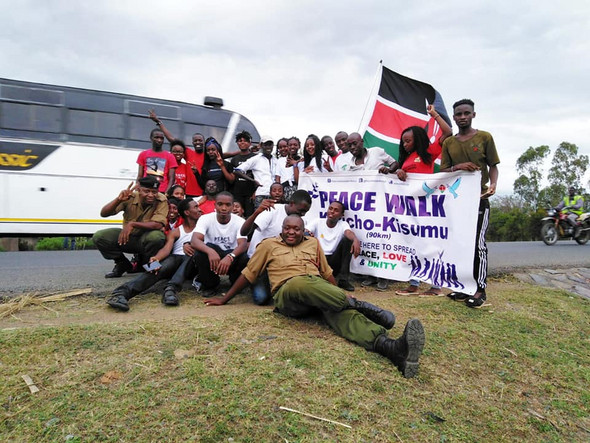
Just as national histories vary, the means of rebuilding trust and appropriate actors will however vary based on context. Thus for example, placing police officers in schools can be a way to introduce an additional friendly, trusted figure of authority and generate a greater sense of safety. The same action in countries like the US, where schools are more dangerous due to a higher prevalence of guns—there were 130 gun-related incidences with 100 casualties in 2019 alone—and have a history of over-policing in schools, can however cause additional fear and trauma in children. In such cases, the problem and its solution are larger, requiring actions like those taken in New Jersey (see Culture of Justice | Case Study 1).
The public health approach considers carefully risk factors including the social determinants of health like social disadvantage and discrimination. These flow through entire communities to cause adverse outcomes. Social deprivation, crime, and violence correlate frequently across jurisdictions. These links should be recognized, and communities supported accordingly. Initiatives like the contextual safeguarding approach seek to understand the full context surrounding a young person and to support them accordingly. Similarly, some have called for wider recognition of the compound effects between mental health inequalities and wider socioeconomic inequalities.
Trauma is omnipresent in the work and often an underlying factor causing further violence. This makes it even more important that police, intervention workers, and other actors in the space are trained in trauma-informed practice and themselves supported in addressing the trauma that comes from the work. This is particularly important for intervention workers with lived experience, who are at a special risk of backsliding if they trigger their previous history.
Youth in and around gangs experience even more extreme trauma. These young people grow up in the equivalent of a warzone, surrounded by violence. They benefit from learning to process this stress and trauma productively. Programs like the Urban Warriors in Chicago do this by bringing combat veterans together with at-risk youth in a trauma-informed approach that unpacks their experiences with violence, develops coping skills, and helps identify the strengths developed as a result thereof.
For those suffering from trauma, hospitals, schools, and prisons are promising places for violence interventions, as they provide a natural opening and encourage reflection. People remain long enough in these places that they can begin to rebuild trust in their counselors and to consider new avenues. One excellent example of such interventions comes from New Jersey, which invested $20m into nine hospitals. The program combines medical treatment and recovery services with education, counseling, social services, and case management to break the cycle and prevent future involvement in violence.
Another frequent cause of trauma and one worthy of special attention is domestic violence. Domestic violence is not only itself damaging but unfortunately also often serves as an indicator of and catalyst for future violence. There is a common relationship between violence inside and outside the home. Domestic violence units are thus key components of a public health intervention preventing future violence.
Project Starlight is the recent cross-collaboration work with domestic violence and countering violent extremism (CVE) practitioners in the UK. It was born out of a recognized frequency of domestic violence around referrals for extremism, with 40% having a history of abuse as perpetrators, victims, or witnesses. By working together, domestic violence and CVE services can learn from each other and better protect those they serve. The additional insights could improve risk assessments and the quality of the interventions, while resulting in better safeguards for the survivors of domestic violence. Similarly, Scotland’s Maracs (Multi-Agency Risk Assessment Conferences) are broad, consistent interventions. Maracs are local meetings where representatives of statutory and non-statutory services—local police, Idaa (a specialist service working with victims of domestic violence), criminal justice social work, children and families social work, education, health, substance misuse services, housing, and adult support and protection—meet to discuss and make action plans for individuals at risk of serious harm, based on the central insight that no single agency has a complete understanding of the victim’s life but that all contribute key insights. The Marac pilot’s results were significant with a 40% reduction in repeat victimization of survivors a year after their Marac referral.
Public health interventions also consider the broader impact domestic violence can have on children and aim to reduce youth violence by intervening when the affected are still young. California’s Surgeon General has outlined systemic reforms to address early childhood trauma and toxic stress, including a universal screening of all schoolchildren that aims to prevent violence in schools. New Jersey’s Handle with Care program similarly requires the police to notify the schools of children that have had traumatic experiences involving law enforcement (e.g., domestic violence, being the witness to or subject of violence) prior to the following school day. This program is intended to “flag” kids that have experienced trauma in their personal lives so that the schools can “handle them with care” and not exacerbate their trauma through exclusion from the school system.
Looking forward in people’s lives, the public health approach is also an asset-based approach, recognizing that the difficulty of adverse childhood experiences can be turned into assets for a stronger life later. Having successfully managed such trauma can become a source of a resilience, which is often overlooked in people’s daily lives.
Substance use disorders are another significant factor for many young people who become violent. This could be their own, or that of a caregiver or influence in their life and is often a reflection of other system failures, such as their community’s lack of resources. At the point of this person’s interaction with the criminal justice system, many countries, including the US and the UK, have drug courts or family treatment courts that use multi-disciplinary and multi-agency approaches to serve families struggling with substance use disorder and address child abuse or neglect, while reducing the time children spend out of the home. (These courts typically vary from an adult drug court by addressing neglect/abuse rather than criminal charges, typically have larger female representation, and the threat is losing custody, rather than criminal sanction.) These units therefore work with parents to provide access to treatment, removing potential barriers and supporting compliance.
However, as recognized in the Outcome Document from the 2016 United Nations General Assembly Special Session on the World Drug Problem, intervention can and should occur before someone interacts with the criminal justice system. The public health approach takes the form of enhancing society’s understanding of substance use disorders, increasing access to health and mental health services, identifying risk factors, and promoting effective drug treatment and rehabilitation programs.
In the late 1990s, Switzerland began a radical experiment in addressing those struggling with heroin addictions that shows how a country may accomplish this shift from a criminal justice to a public health model. The Swiss approach culminated in heroin-assisted treatment (HAT), i.e., physician-prescribed heroin, and is of particular interest not only for addressing substance challenges but also as an example of engaging a specific key set of stakeholders: policymakers. This public health approach to substance use disorder has proven effective not only in helping people struggling with substances rebuild their lives but in destroying some of the cartels built around the heroin market. Implementation is context-dependant, however. Environmental factors like employment opportunities, stable housing and family relations play key roles, just as social and racial tensions pervade policy, often determining national emphasis on traffickers versus users or prompting different sanctions based on the form of the drug.
In Switzerland, HAT is one of several available treatments, along with methadone and abstinence-based therapeutic communities. In all cases, the treatment is paired with a second step of social service support and HAT is generally only used for the hardest cases. HAT has been fully recognized as a medical treatment, even used in prisons, and was written into the narcotics code in 2005. Since 2002, the costs of the program fall on health insurers, not on cities, removing the argument of needing to preserve municipal budgets. The results are striking: only about 1,200 people are currently in HAT (compared with 19,000 in methadone treatment) and there are almost no new heroin users, removing the need for needle exchanges.
Change did not come overnight, however. Instead, several factors had built up, increasing public support for an intervention and political pressure. The problem had become public: In an effort to reduce neighborhood drug use in Zürich and to better address the effects of withdrawals or overdoses, police initially corralled drug users in public “needle” parks, surrounded by police and emergency service providers waiting to intervene. These began to receive international media attention, affecting Switzerland’s image abroad. Similarly, the drug user profile had changed with the type of drugs, away from the students of the 1960s experimenting with psychedelics to young people suffering from serious mental health challenges. This prompted increasingly public engagement and challenge from physicians, clergy, concerned parents, and grassroots organizations. Without forming a formal coalition, these actors publicly challenged the law by offering clean needle exchanges, shelter, and supervised injection rooms to help users. Finally, public fears rose with the understanding of HIV/AIDS, which meant that health risks experienced by heroin users might spread to the general population via intimate relationships.
All the foregoing, as well as ongoing advocacy by harm-reduction activists who continuously elevated the issue and took leaders to see the needle park for themselves (particularly those politicians from areas unaffected by the crisis), led to agreement within the governing coalition that something needed to change. This led to the introduction of HAT via a scientific trial, proving efficacy before they allowed permanent legislation.
Although opponents to HAT had advanced several claims, none proved valid in the Swiss trial. Prescribing heroin did not yield ongoing dose increases, but rather prompted doses to plateau after the first two to three months. Similarly prescribing heroin removed the drug’s cool image, repelling rather than attracting youth to a drug that came to appear medicinal. Most users also do not remain in HAT forever. Only the hardest cases (circa 5%) ever enter HAT and fewer than half stay for more than three years. The rest move to abstinence or methadone, which means that HAT augments rather than destroys the market for these treatments. Finally, prescribed heroin did not fuel the black market. Instead, heroin prices fell significantly as the prescribed heroin increased the supply for key users, reducing the incentives for drug trafficking and the concomitant exploitation of youth. These successes influenced the Swiss legislature to recognize HAT as a formal medical treatment.
Beyond the lessons it offers for combating substance use disorder in a non-criminalizing fashion, the Swiss HAT experience exemplifies one final lesson: the importance of stewarding sensitive data. The Swiss HAT program, like many of the new app- and internet-based interventions for mental health and substance use disorder, rely on users entering significant and potentially incriminating personal data to measure their risk profile (examples of such new tech-based interventions include: internet-based cannabis use reductions in Austria and Spain; internet-based alcohol use & anxiety/depression reduction in Canada; and a life skill coaching app used in Switzerland, Austria, and Germany). This data helps the program ultimately recommend the right assistance. Users are however only willing to share this key data if they know the provider will not share it with the authorities—or in cases where sharing is unavoidable that the authorities will not act on this information in harmful ways.
In Switzerland, the culture had already sufficiently shifted from a purely public safety approach to the public health approach of wanting to help heroin users. This meant that even where the police saw users entering facilities, they did not act on this information. Many public health interventions require similar levels of sharing from community members. Services must, to maintain the trust necessary to fulfill their missions, serve as careful guardians of sensitive data within the bounds of necessary cooperation with statutory services or the state. This is particularly important in the age of constant and all-encompassing data collection.
In May of 2022, the Barnahus/Child Advocacy Centre was founded in Georgia with the goal of continuing reforms aimed at improving the application of child-friendly approaches before children in conflict with law, child victims, and witnesses. In June of 2022 the first center was opened in Tbilisi and the second will soon be opened in West Georgia-Kutaisi.
Recognized by the Lanzarote Committee at the Council of Europe as a good practice example in youth justice, the Barnahus model is a child-friendly, multidisciplinary and interagency model that best fits the whole justice approach for responding to child violence and providing services to child victims and witnesses of violence in one place under the same roof. The model brings together agencies that are typically siloed from each other, such as law enforcement, criminal justice, child protective services, and medical and mental health workers, so that they can work together to assess the situation of a child and decide future course of action. Good practices and high standards are applied in a coordinated and effective manner by specialized practitioner to develop both a child protection and criminal justice response.
One of the key roles that the Barnahus model fills is helping to produce valid evidence for judicial proceedings by eliciting the child’s disclosure so that the child does not have to appear in Court if the case is prosecuted. By using an innovative one-stop-shop approach, specialized professionals ensure the prevention of traumatization and re-traumatization during investigation and court proceedings by ensuring that the best interest of the child informs practice and decisions, that the right of the child to be heard is fulfilled without repetitive interviews, that the child is interviewed and supported by specialized and competent professionals, that interviews are carried out in a multidisciplinary environment in one child-friendly premise, offering adequate support to the child and care-givers without undue delay and; that the child is not obliged to appear in Court. The Barnahus also plays an important role in enhancing awareness and knowledge of violence against children with key stakeholders.
The common criteria of the Barnahus method include:
• Forensic interviews are carried out according to an evidence based protocol
• The evidentiary validity of the child´s statement is ensured by appropriate arrangements in line with the principles of dueprocess. The aim is to prevent the child from having to repeat his/her statement during court proceedings if an indictment is made.
• Medical evaluation for forensic investigative purposes, as well as to ensure the child’s physical well-being and recovery, is made available.
• Psychological support and short- and long-term therapeutic services for trauma to the child and non-offending family members and caretakers are made available.
• Assessment of the protection needs of the victim and potential siblings in the family is made; and follow up is ensured.
During its 7 months of operation, the Tbilisi Centre has worked with 70 children - 61 from Tbilisi and 9 from the regions with a gender breakdown of 64 girls and 6 boys. This means that this number of children received rehabilitation services, support of a social worker, forensic, psychiatric, and psychological services, interviews, and interrogation following the child-friendly principles, avoiding stigmatization and all in one physical space that is tailored to child needs. Georgia has also seen recent developments in restorative justice advocacy as further work is being undertaken by the Ministry of Justice of Georgia aiming to expand the application of restorative justice. In 2021, the Minister of Justice, Rati Bregadze introduced the Code of Juvenile Justice and the Georgian model of restorative justice to participants of the Council of Europe Committee of Ministers. This code aims to serve in the best interests of juveniles by re-socializing and rehabilitating juveniles in conflict with the law, protecting the rights of defendants and witnesses under the age of 18, and preventing them from re-offending. Alternative mechanisms for juvenile justice such as diversion and mediation programs enable young people in conflict with the law to avoid prosecution, punishment and, consequently, criminal liability. Instead, it offers juveniles and adults under the age of 21 the opportunity to participate in voluntary programs tailored to them.
Project Restore is an innovative community-based intervention that engages high-risk youth linked to rival street networks. It leverages mentorship, restorative justice, and social networks as transformative tools to foster reconciliation and break cycles of gun violence. The Project Restore pilot phase was successfully implemented through a coalition of community, university, and government partners —including law enforcement—in Bedford-Stuyvesant (Bed-Stuy), Brooklyn. This neighborhood has been disproportionately affected by gun violence driven primarily by disinvestment, systemic inequality, and concentrated poverty.
The initiative was born from a policy proposal co-developed by legal system-impacted youth and New York City officials through Columbia University’s Justice Ambassadors Youth Council at the Center for Justice. By centering the voices and lived experiences of those directly affected by gun violence, Project Restore represents a transformative shiftaway from traditional law enforcement approaches and toward a holistic, community-driven response to the drivers of urban violence.
In New York City, as in many urban areas, gun violence is largely driven by a small group of individuals embedded within high-risk social networks—often referred to as street crews—concentrated in socioeconomically disadvantaged neighborhoods. These networks disproportionately involve and affect young Black and Latino males between the ages of 15 and 24. Youth involvement in street crews typically arises not from criminal intent but from unaddressed trauma, unmet needs, and a profound lack of resources or belonging. Traditional law enforcement strategies, such as deterrence and incarceration, may offer short-term relief but often fail to address these underlying causes. Worse, they can intensify systemic inequalities and perpetuate cycles of retaliatory violence, destabilizing communities that are already vulnerable.
Project Restore rejects the conventional framework that views street crews solely through the lens of criminality. Instead, the program understands these groups as social networks through which young people seek identity, belonging, security, and community support. Rather than dismantling these networks through punitive interventions, Project Restore uses a needs-based framework to identify and address the factors that draw youth into street involvement. The program offers holistic, individualized support through trauma-informed care, personalized case management, credible mentorship from individuals with lived experience, life skills training, and employment opportunities. This multifaceted approach provides participants with alternative pathways to fulfill their needs while fostering personal growth and community engagement.
A key innovation of Project Restore is its recognition that social networks—often the same networks that foster violence—can also serve as powerful tools for transformation. Many participants became involved in cycles of violence not out of personal intent but because of inherited rivalries embedded within their social environments. Instead of seeking to dismantle these networks through arrest and incarceration, the program works to transform them by fostering communication and building relationships across rival factions. Restorative justice healing circles, peer mentorship programs, and structured dialogues between participants help reduce polarization and address the root causes of violence, fostering a sustainable capacity for conflict resolution within the neighborhood.
The pilot program’s outcomes in Bed-Stuy were impressive. Supporting 30 young men connected to rival street crews, Project Restore achieved a 28% reduction in shooting incidents and a 22% reduction in felony assaults within the precincts where it operated . The program also successfully prevented five retaliatory shootings after incidents in which participants or their peers were injured or killed.
By providing participants with safe spaces to process trauma and develop healthier responses to conflict, Project Restore disrupted the cycles of violence that often follow traumatic events in high-risk communities. Additionally, participants’ engagement in leadership roles—most notably the formation of a Public Safety Working Group composed of leaders from former rival street crews—demonstrated the program’s potential to foster long-term community stability. This group now works collaboratively to promote peace and safety in their neighborhoods, breaking cycles of violence from within the very networks that once fueled it.
Beyond reducing violence, Project Restore tackled the structural drivers of poverty and economic exclusion that contribute to gun violence. While traditional public safety models often prioritize policing and incarceration—leaving community-based solutions underfunded—Project Restore redefines public safety by investing directly in the well-being of individuals most affected by violence. Participants received stipends of $25 per hour for their engagement in program activities, ensuring economic stability while encouraging sustained participation. Many participants obtained job readiness skills, earned professional certifications, and secured employment, while ten individuals enrolled in college and others pursued educational credentials such as GEDs.
The program’s economic impact is particularly noteworthy. A cost-benefit analysis revealed that every dollar invested in Project Restore yielded $6.70 in savings from preventing incarceration, reduced retaliatory shootings, and increased post-program earnings. This result underscores the initiative’s dual impact—demonstrating that community-based violence intervention can be both socially transformative and economically efficient.
In a city where Black residents are 16 times more likely to die from gun homicide than white residents, Project Restore provides a crucial intervention aimed at addressing the racial disparities that underpin urban violence. The program’s emphasis on empowerment, healing, and economic opportunity challenges the conventional wisdom that policing and incarceration are the primary tools for ensuring public safety. Instead, it demonstrates that true safety emerges from investing in communities, fostering opportunities, and addressing the systemic conditions that fuel cycles of violence.
Looking ahead, there are plans to expand and replicate Project Restore’s model across other neighborhoods in New York City facing similar challenges. However, scaling such efforts requires a fundamental shift in how public safety resources are allocated. While law enforcement budgets often increase in response to rising crime, innovative community-based programs like Project Restore frequently struggle for funding—despite clear evidence of their effectiveness. Sustaining and scaling these interventions will require political will, consistent investment, and a reimagining of public safety as something built through opportunity and empowerment rather than punishment and control.
Ultimately, Project Restore offers a blueprint for breaking the entrenched cycles of poverty and violence that have long plagued under-resourced communities. It moves beyond punitive approaches to embrace a model rooted in healing, empowerment, and the transformative power of community networks—demonstrating that investing in people, rather than punishing them, is the key to creating lasting peace and safety.
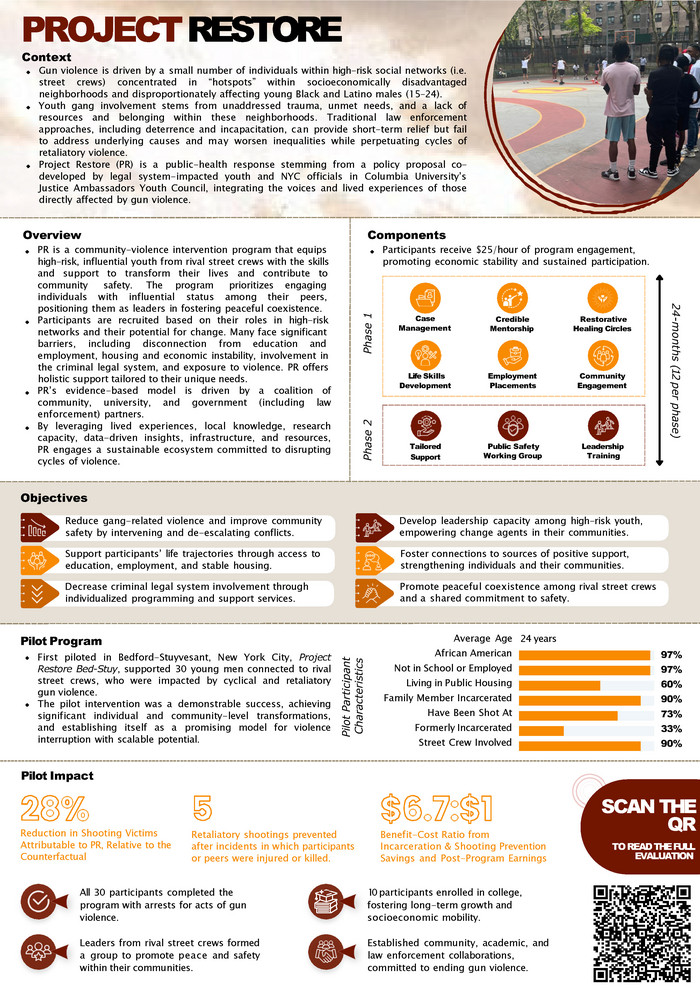
The public health approach is a powerful way to draw on a broader set of skills and experiences in addressing violence and its root causes. Whether a reform begins by focusing on the provision of safer spaces and schools or retraining local authorities, or supporting people with substance use disorder, most public health approaches share certain components.
First, it is important to identify all the relevant players and ensure that buy-in to a single mission occurs across the board and all relevant organizations, not only at the top or on the ground-level. This often means consistent training on the overall approach and on related matters like trauma-informed practice and biases. This may also mean sharing budgets with people or organizations who have the necessary expertise and reaching into specific places like hospitals where the cycle of violence can be broken. Close collaboration and broader understanding ensure that all relevant knowledge can be collected and shared effectively, and it may unlock new avenues for prevention.
Programs should be iterative and closely involve the youth and community they serve. Not only can and should youth be involved in finding their own solutions, these close discussions allow programs to be proactive, to understand local needs and challenges and address them before they turn into violence. Ongoing data collection can also help monitor progress and highlight areas in need of additional attention.
Finally, context matters. Public health approaches should be organic to their communities and consider any legacies of marginalization or unequal opportunity. These can continue to affect a community’s experience or their relationship with local authorities. Such legacies take time and concerted effort to undo but addressing them contributes significantly to violence prevention.
As researchers seek to develop and evaluate new public health interventions, much of the work remains reactive and many of the traditional models around research and evaluation are US- and Euro-centric. New public health solutions may not be found in health or social care, which reflect the “acute” end of the spectrum, but in the daily ecosystem: in education, the community, and how youth experience the lives they lead. These feedback loops could be developed further to understand and replicate this demonstrated resiliency.
On the development of new research and interventions, experts in this area may benefit from collaborating more frequently with related disciplines to gain a broader perspective. They might also consider new research better incorporating the experience of impacted communities and exploring the interactions between disadvantage, marginalization, and youth violence. This is particularly important in the field of mental health research. Such broader consultations would expand existing data sets and help better tailor interventions to a community’s need.
Several Fellows from the Global Innovations on Youth Violence, Safety and Justice initiative have been additionally featured on the Salzburg Global website. Please read more below.
Lisel Petis, resident senior fellow for criminal justice and civil liberties at R Street, explains what she sees as the biggest gaps in criminal justice reform
Dan Wilhelm, president of the Harry Frank Guggenheim Foundation, discusses the opportunities that have emerged since the creation of the Global Innovations on Youth Violence, Safety and Justice initiative
Laurie Garduque, criminal justice program director for the MacArthur Foundation, reflects on her work in criminal justice reform
Additionally, Fellows released a Salzburg Statement for a Whole Systems Approach to Justice.
How the UK is shifting the focus of a long-running problem and taking a whole-system approach to stop youth violence
Glasgow, 2007. Math teacher Maureen McKenna arrives in the most populous city in Scotland, where she will lead a landmark education reform later triggering a U-turn in policing, youth justice, and housing – marking a major precedent in the United Kingdom.
“It was about changing culture, changing mindset,” McKenna, Glasgow’s longest serving executive director of education, explains.
“Understanding that a child acts out maybe as a method of communication rather than bad behavior.”
With a longstanding culture for gangs and violence, the city was back then marred by exclusions in schools, and young people carrying knives was commonplace.
Fourteen years later, school exclusions have reduced by 88 percent, while attainment is steadily rising.
“People weren’t looking at the causes behind” the violence, McKenna explains.
“Why did the child bring a knife into school? Did anybody go back and ask the child why? Was it an act of violence or was it that they felt they needed to protect themselves? Therefore, could we look at why they needed to protect themselves and resolve that?”
Like nowhere else in Scotland, 60 percent of Glasgow’s 80,000 children live in the country’s most deprived areas*.
“Rather than just going straight to the crime... [we must] take more restorative approaches and think much more about the context of the child,” she stresses.
“We have children who are living in poverty. They might have a pretty poor lived experience at home, living in chaos, not knowing when they were getting food, maybe a peer with addiction problems. So, is it no wonder when they come to school that they react badly when a teacher gets in their face.”
But change was not achieved “on a Wednesday afternoon,” she points out, and has required the gradual implementation of a holistic approach.
“You have to think of it as a great, big oil tanker. So, if we are all standing on the oil tanker, and you want to change direction, you have to start miles back to make that decision to change, and it’s a very slow turn.”
She tells the story of a boy called David. He was a secondary school student in Glasgow who one night in the early 2000s approached a stranger and stabbed him without reason.
“The man died, the young boy David ended up in a young offenders institution and then in prison. And what was done was they traced back his life, what his school, nursery, and family experience was, picked out all the causes and showed that actually the only way to change David’s life was by taking a holistic approach to it,” McKenna remembers.
In the decade following the implementation of this approach, recorded incidents of handling an offensive weapon fell by 69%, according to Police Scotland statistics. This multifaceted system is clearly playing a key role in youth justice.
“Ten, twelve years ago, the government was talking about building new jails for young people… All those plans were shelved because we now have fewer and fewer young people [convicted].
“That’s a massive cost to society—£200,000 (US$268,000) a year to keep a young person in secure care, and we’ve reduced all those numbers because what we’re doing is finding alternative pathways and different supports for these young people.”
Glasgow’s system sees schools as the heart of the community and assigns them a crucial preventative role. Police officers are community trained also and work alongside education professionals.
McKenna explains that they “go in and out of schools, and are there to bond with the young people to allow the young people to see them in a different light… It is about looking at that cause and effect. Rather than seeing the police just as a criminal body that takes people—it’s about safeguarding.”
And, as experience over the years has taught her, the whole systems approach saves lives.
“A little ten-year-old boy didn’t come to school in the morning. They didn’t get a phone call from home, so they phoned the housing association that he lived in, the housing officer went up to the door, she knew somebody was in, but couldn’t get an answer.
“She phoned the police, they opened the door and the mom was out of her face on drugs and that wee boy didn’t want to leave her in case she died.”
Rather than just discipline the boy for truancy, the family were able to access the much-needed support it needed. That was the result of bringing in many different partners and knowing who can do what.
“Ten, 12 years ago, the government was talking about building new jails for young people… All those plans were shelved because we now have fewer and fewer young people [convicted].”
– Maureen McKenna
“Children need to feel they belong and they need to be part of their local communities, so we need to value their experiences even if they are radically different from ours,” McKenna continues.
“And that is a real challenge for teachers, as it’s a challenge for me—I wasn’t brought up in poverty, so I don’t have that lived experience, and it can be too easy to be judgmental. ‘If only they didn’t do this, they would be so much better.’ But maybe they don’t have a choice or maybe, at this point in time, they don’t have the personal capacity to be able to manage.”
Down in England, the story is different—exclusions are going in the opposite direction. Local leaders are trying to make a change, taking the Scottish success as an example.
Health and social care consultant and local politician Jacqui Dyer has a similar take to McKenna on the place of lived experience, and emphasizes the importance of having a diverse workforce that looks like those it is serving.
“If you don’t have an inclusive workforce... then you won’t have that understanding or lens of experience that infuses the decision making,” says Dyer, who is deputy leader of South London’s Lambeth borough council, having entered politics after years in mental health care provision.
“Part of the catalyst for that was growing up in a family where I have three siblings that experience severe mental illness and wanting to really understand the system in order to better advocate for my siblings and my family...
“I made complaints all the way to the chief exec of the system and realized nobody's listening to me: a Black woman making noise about her sister and the failure of the services to care for her appropriately. And that’s when I realized I’m going to have to go to a different level to influence, to help, to shape at that lowest sort of level where that face-to-face at the grassroots care is being delivered,” she candidly explained in a 2021 Salzburg Global webinar on why we need more diversity in public policy.
“It’s important to try and include the populations that you are serving in some of the works that you are doing, so you are working with them—not to them, not at them, but for them, with them.”
In Lambeth, people of African and Caribbean descent are overrepresented in the criminal justice system and among children in pupil referral units.
“The system by default is relentlessly racist, so we are trying to transform the system to move towards being anti-racist,” Dyer explains.
But that result cannot be achieved without transforming the mindsets that keep replicating a way of thinking, a way of dealing with situations and challenges that lead to poor outcomes for African and Caribbean communities.
“If you don’t have that experience of oppression, your insights can never really be from that source… As a Black woman, that would be my experience of relentless racism from the cradle to my current age.”
According to Graham Robb, a former secondary school headteacher and now consultant in youth justice mainly in England and Wales, current practices like stop and search for weapons on the streets “may actually achieve something in terms of community confidence, but it’s proven to put more young Black children into the justice system than should be there.”
“For our non-racialized counterparts, the white experience is one of privilege,” Dyer continues. “If you have a body of pure white men sitting around a table, making decisions for a Black community, that is going to be really incongruent with what that Black community needs or wants.”
She is the mind behind Black Thrive, a partnership between the community and those who pay for and deliver services to reduce the inequalities in mental health outcomes for Black people in Lambeth.
Like McKenna and other Fellows participating in Salzburg Global Seminar’s Global Innovations on Youth Violence, Safety and Justice initiative, she believes that prevention needs to be at the center of a whole systems approach to youth justice.
“You’re not just dealing with the symptoms – what is really visible – but you’re actually dealing with some of the structural inequalities that lead to these very poor outcomes that are particularly experienced by groups that suffer from poverty, discrimination, and disadvantage.
“It’s just relentless and ruthless,” Dyer laments. “If you got people like crabs in a barrel, and there’s no way out, they are gonna implode! It’s quite obvious.”
A whole systems approach is “very effective” because “it’s one that focuses more on prevention as opposed to one that focuses more on enforcement and stigmatization,” says Haydar Muntadhar, an expert in countering violent extremism, working in the nearby London borough of Croydon.
“Sometimes, things aren’t as they seem, and they require digging deeper to uncover what’s going on. Collaborating with partners can help us bring all the pieces of the puzzle together and help us identify what the best solutions are,” he adds.
Dyer is trying to make sure that opportunities are created in education, skill development and jobs “where they are not usually the case,” and use all the resources available in Lambeth to help those who are “most at risk of having an alternative experience, which leads to a long-term career in criminal justice pathways.”
“Wherever you are in the world, wherever poverty, disadvantage, oppression exist, you find crime. How are you gonna get out of that unless you start creating some other levers? So that people think, ‘I don’t wanna go down that road—that one looks like I could lead a good life from that, so let me go down that road.’”
To achieve the ambitious goal of addressing causes and challenging the mindsets of decision-makers, she is advocating for “Lambeth-made communities” that work in partnership with the police, counselors, and officers, as well as residents and businesses, around what their priorities are.
“It’s important to try and include the populations that you are serving in some of the works that you are doing, so you are working with them—not to them, not at them, but for them, with them.”
– Jacqui Dyer
Serious youth violence is a critical issue across the British capital. There are 32 London boroughs; each of these local authority districts is governed by a council, and some of their policies vary substantially across the city.
In Newham, East London, children and young people’s commissioner Geeta Subramaniam-Mooney is championing the whole systems approach. In a city of more than 9 million people, governed by multiple authorities, this is a challenge.
“The politicians are absolutely critical because they give you resources and leadership to act,” explains Subramaniam-Mooney, who like fellow Londoners, Dyer, Robb and Muntadhar, is taking part in the Salzburg Global youth justice initiative.
“If you have the political buy in, what you get, therefore, is resources. You get commitment, be that for four years in the case of the UK... but you get some sense of funding, resource commitment from the politicians, and then as partners we can all align to that,” she points out, also emphasizing the importance of having the right data to inform policy and policymakers.
With over twenty years' experience in local government, Subramaniam-Mooney is the first to serve in her role—also the first of its kind in local government—and is responsible for children’s health and well-being.
Another part of the challenge, she says, is explaining to the community what a whole systems approach is and why it is beneficial for them: “agree the philosophy and agree the narrative.”
And her narrative is: “prevention at all stages and ages.”
“What that means is that prevention starts very much as universal services,” she stresses. “Let’s not wait for things to go wrong.”
With a population of approximately 350,000, Newham is London’s third largest borough. The 2001 UK Census identified it as the most ethnically diverse district in England and Wales.
That diversity must shape any approach to youth violence for it to be effective.
“You need to have a menu of options for young people and try to find the one that works for them,” says McKenna.
Subramaniam-Mooney, in turn, speaks about a “recipe.”
“What’s the recipe for reducing violent crime in South London? You might need more flour and less eggs. In East London, you might need more sugar and flour. So, it’s really important that you have those core ingredients, but they actually might need to be blended differently to make that recipe that fits for the locality,” she explains.
“It’s not one size fits all.”
“What’s the recipe for reducing violent crime in South London? You might need more flour and less eggs. In East London, you might need more sugar and flour. So, it’s really important that you have those core ingredients, but they actually might need to be blended differently to make that recipe that fits for the locality... It’s not one size fits all.”
– Geeta Subramaniam-Mooney
When local governments need help to better understand each community and gain their trust, the third sector comes into play.
“The volunteering community sector and the faith sector are absolutely critical in that local response…” Subramaniam-Mooney adds. “They understand the local community and they also have trust, so they are able to engage in a much different way to statutory services.”
In McKenna’s experience, “voluntary organizations that are based in local communities... are very effective as a bridge between statutory services and the family, so you’re likely to get a stronger level of trust from a third-sector organization, a community-based organization than you will with statutory services.”
“You are going to look at the lives lived and then shape the services around that,” says Robb, a member of the national Youth Justice Board. That requires knowing “how to engage with the particular community or group in their part of London,” because otherwise, “we can’t design services as responsive as they should be.”
The former schoolteacher explains that the way to deal with the rise in violent crime is “by early prevention and intervention,” and that means “having a core set of approaches that all of the services share, as the way in which they are going to deal with prevention of youth violence or deal with its consequences.
“Any government tends to look at things in sections: look at justice, or education, or health, whereas actually a chance life is lived in one whole in which the various services impinge,” he adds.
“What you might be trying to do in education can be completely undermined by what police are trying to do” when there is no partnership focus, he warns.
He says there has been “a debate in London for about three years that we need a whole system approach” but “we are not there yet in terms of what the long impact will be.”
“However, what we have got England and Wales-wide—and I really don’t want to overclaim this for a whole system approach—is a drop in what is called the first-time entrance measure. In other words, children coming into the justice system for the first time. And we’ve also got a very significant drop in the number of children in youth custody.”
Still, too many politicians only care about immediate results, rather than longer-term outcomes, such as those who demand more policing after a crime that received widespread media coverage, to which some politicians react with a “uni-focused response.”
“People want delivery tomorrow, they want outcomes tomorrow, and taking a whole systems approach is about taking a long-term view,” Subramaniam-Mooney remarks.
Each is at a different stage and facing unique challenges, yet all these initiatives are proving effective in tackling youth violence in the United Kingdom, and at least slow down the steady rise in homicide and knife crime that is hitting the country.
“I would like to see this become an absolute blueprint for London about how we really do shift the narrative and shift the dialogue around system change, around youth violence and violent crime,” Subramaniam-Mooney concludes.
“At the end of the day, it’s about education and it’s about using education to make a difference to young people’s lives,” assures McKenna, as she prepares to retire.
“It’s not rocket science... but it’s a forever job. We will never reach the point where it’s OK.”
Strong evidence bases are the foundation for developing a consistent data-based message that can be translated for policymakers and communicated to and understood by the public—a key component of successful reforms. They are also necessary for comparative work and for identifying the most promising interventions.
However, each piece—from choosing the correct metrics to integrating and analyzing the data to finally presenting it to policymakers and the public—presents unique challenges. While data is being collected in many jurisdictions and by various initiatives and both official and civil society bodies, the lack of resources or the presence of political agendas can hinder this collection. Data is often siloed even when collected, making it difficult to access, integrate, and interpret and to track progress or differences between systems.
Metrics must be clearly defined and data accurate and consistent to be analyzed. Having common metrics and robust processes from the local to international levels enables comparison across jurisdictions and the transfer of evidence-backed interventions across countries. Sometimes this might mean re-starting some forms of data collection to ensure comparable data. The ability to compare also relies on the existence of simple metrics that can be collected in resource-poor countries. Measurement tools rely on robust data collection systems capable of collecting and providing data in systematic and ethical ways. Finally, it is essential to determine a metric’s purpose before beginning collection, since the purpose may also drive the level: case, individual, community, policy, or legal.
Many metrics exist in the criminal justice space, but there is no consensus around the “best” metric to measure success and each metric captures only a sliver of the picture. Crime, arrest, conviction, and recidivism rates, as well as cost are all popular and useful metrics, but none is dominant or complete, making comparison difficult. These are also biased toward the “downstream” effects of social and political structures that lead to violence, as opposed capturing aspects of successful preventative work. Each of these is a surface-level indicator that fails to capture the deeper desired outcomes: ensuring the dignity and respectful treatment of both victims and offenders, the repair of social harm, and the rebuilding of stronger communities. Further work on metrics that operate simply but measure these deeper desired outcomes is needed.
One possible alternative metric is social trust. Social trust is inherently tied to criminal law as the systematized response to social wrongdoing, which relies upon the ability to rebuild trust after a breach. Social trust consists of two components:
1. How much individuals in a society trust one another.
2. How the same individuals view their government.
Early research indicates that higher levels of social trust correlate with a society’s resilience to crises, lower corruption, and lower crime rates. More specifically, societies with high levels of social trust appear to have fewer homicides above the baseline observed in across societies. Perhaps therefore measuring social trust might offer deeper insights than those currently in use, though it is unclear how resource-intensive it would be to take this measurement.
Even once they know which metrics they wish to track, many entities struggle with data collection. Collecting large amounts of information is expensive and there are several decisions to be made about the type and level of collection, including whether to measure indicators top-down or bottom-up, i.e., from the grassroots perspective. Here extensive stakeholder consultation and ultimately a recognition that data serves a valuable role even when generating questions rather than answers is helpful.
When designing projects or policies, one key decision is whether to engage in “top-down” and “bottom-up” methods, as there are clear trade-offs. Top-down metrics, e.g., social indicators like “trust”, have the benefit of being comparable across jurisdictions (although they may be subjective measures and thus imperfect comparisons), but they can be narrow and are by definition inflexible. Bottom-up metrics, i.e., developed in consultation with the communities they measure, are often more nuanced and holistic, but they are slower to define, expensive to collect, require more work to analyze, and are, by design community-specific, making them less useful in comparative work, unless they can be aggregated back into a comparable meta-metric. Such meta-metrics are yet to be defined. The most complete picture is offered by a combination of bottom-up and top-down metrics, but requires significant resources to collect and analyze, which will not be available to all jurisdictions.
Regardless of whether a top-down or bottom-up method is selected, broad stakeholder input is critical. This applies as much to the definition of the metric as its collection. Such consultations should be a genuine part of the process rather than symbolic. This is not only important for building community rapport and defusing the potential for debates on validity down the road, but it also ensures that as much relevant information as possible is collected. A lesser form of these consultations should continue as analysis begins. Effective data collection is iterative, responding to the initial results. Recent empirical evaluation studies of community courts in Israel—seeking to explore the meaning of individual success in these programs—are an example of such iterative work that emphasizes input from a broad range of stakeholders.
Another benefit of strong stakeholder consultation is the avoidance of accidentally measuring only one side of the equation. Focus follows measurement, which means that failing to measure the right outcomes increases the likelihood that an intervention will not achieve its goal. This principle was clearly illustrated by the “stop and search” programs, which classically measured arrests but not the amount of community harm or outrage. The program could thus show “success” in the form of high arrest rates but fail in its greater goal: promoting a feeling of community safety. Similarly, the community court evaluation in Israel confirmed that the common metrics like program completion and reduced recidivism are necessary, but it highlighted that individual success is relative, subjective, and multidimensional. Rebuilding a life must be understood as a continuum, not as a binary concept. Therefore, even when defendants recidivate, they may also show manifestations of success, such as family and social connections, employment status, mental health, active community involvement, addictions, stable daily routine, quality of contact with government agencies etc.
For all the difficulty in identifying the perfect metric, data is not always about finding answers. Often it serves the valuable function of raising new questions. Big data can quickly reveal patterns of outcomes, inviting more qualitative analysis. Strong data collection can help uncover implicit bias or disparate outcomes based on key characteristics like ethnicity, gender, socioeconomic status, religion, political party, or geography. Providing comparisons between locales, groups, or dates naturally prompts an audience to engage with the information and ask “why”. For example, a school analyzing its exclusion data could find a spike in the winter months, when the weather and darkness cause deep frustration to students and teachers alike. If that insight is combined with the fact that most students are only excluded once, it indicates that the weather may be driving the pattern more than student behavior and schools can respond accordingly. As this example illustrates, not all insights are controversial, even if they are surprising. These might be useful starting points for reform. Similarly, data can disprove accusations of bias, which may help overcome historic tensions or distrust between groups. Sharing data broadly reaps these benefits and increases the likelihood that trends will be discussed or resolved if need be.
One example of an ongoing data-informed process is Oakland, California’s Reimagining Public Safety program, funded by the Everyday Indicators for Policy Innovation (EIPI). Oakland has a long history of attempted police reforms, dating back at least to 2003 and the promise to invest millions and complete a comprehensive list of 51 reform tasks the city was initially ordered by a court to implement over five years. They are still not in full compliance.
More recently, recognizing the need to reimagine its public safety system and move from the policing and prison paradigm of public safety to one rooted in healing and community investment, Oakland initiated a community consultation process. This originally aimed to reduce its police budget by 50% and to invest in alternative programs, services, and infrastructure addressing the root causes of violence and crime, though only modest means have been diverted so far.
To this end, the Reimagining Public Safety taskforce ran Zoom-based community consultations, developed advisory boards, conducted online surveys, email, voicemail, and online listening sessions to gather community feedback. Oakland should be commended on its transparency as all data is publicly available on their website. However, the process has also faced challenges in the form of low response rates (586 survey responses versus Oakland’s adult population is 352,000) and a general skepticism that community input will transfer to the final implemented recommendations. Community engagement is a key step in overcoming skepticism, but even with active community outreach and a wide range of avenues, response rates may remain low until authorities demonstrate that action follows the listening exercise. (See Public Communication | The Power of Messengers.)
Alternatively, successful bottom-up approaches work hyper-locally with communities to define their own indicators. Organizations like Everyday Peace Indicators (EPI) do this by first identifying key local communities and then working with them, so that their metrics are formulated in simple, local terms that reflect the present experience. Instead of being shaped by a single representative, these indicators are written by the wider community to capture the specific experiences that make up a larger concept, e.g., safety being reflected in the ability to sleep with the windows open or watching children playing outside. (See sample questions.) These indicators can serve both to inform and assess policies based on daily experiences, which means that measurement can be adjusted to the level of the intended intervention. Across multiple international contexts where EPI has worked, the community-based indicators reflect a public health approach to policy reform, where broader ecosystems are considered holistically and a focus on upstream prevention is privileged. EPI is currently working with a broader cross-section of Oakland’s community-based organizations to source, rank and measure indicators of public safety and public well-being across several of the city’s communities, defined according to race, ethnicity, language, neighborhoods and relationship to the criminal justice system.
One of the largest challenges to developing such bottom-up indicators is the necessary time and cost of consulting so deeply with small sub-sets of people, particularly when compared to the simplicity of a broad standardized survey. One successful way to defray these costs is by working with local students, who are of the community and themselves benefit from the training and the work experience. Some recent technological innovations have also lowered the cost of crowd- or community-sourced data and others may follow, reducing the burden of collecting and even analyzing this data. Some examples include Streetwyze, an organization with a mission “to use pics, audio and video to connect with community, inspire creativity, bring joy, and transform the places and spaces where we live, learn, work, play and pray”, and the POKET App, which overlays crowdsourced information about specific areas onto a map interface. More complex is the fact that community-developed indicators are not always morally positive. For example, a community could define an increased feeling of “safety” on the absence of certain people from the community. Such information can reveal hidden biases to organizations and policymakers, revealing areas for future investment—but it may also cause tension.
Chicago, Illinois-based nonprofit Heartland Alliance’s program READI Chicago offers an example of innovative data collection and generation. Considering gun violence as a matter of racial equity that affects young people and communities of color at disproportionate rates, and created with foundation support in the wake of historical violence in Chicago in 2016, READI Chicago works with the most at-risk individuals to support them with relationships, jobs, and cognitive behavioral interventions. To do this, READI Chicago identifies those men at the highest risk of gun involvement—either as victims or as perpetrators—through a blend of hospital, police, and other data, the University of Chicago’s Crime Lab, and community referrals. When physically locating the men it seeks to engage, who often lack stable housing, READI Chicago mines publicly available information like social media pages or court records and gathers information from the community.
READI Chicago is also generating new data as part of a randomized control trial. This is particularly important since there is still a relative lack of research around what it takes to support those at risk of being victims or perpetrators of gun violence. READI Chicago’s early results are promising and the new data will advance the entire field.
See Youth Violence and Safety | Case Study 3 for more information on READI.
There is a debate whether some processes defy capture via data and metrics entirely. One example is the independent evaluation of judicial or prosecutorial decisions. Corruption and bias are damaging to the rule of law and often appear in these decisions. It is essential that these processes be evaluated, as they ripple across the criminal justice system and the very tenets of a strong rule of law—judicial and prosecutorial independence—can become tools of impunity in weaker democracies. Setting the right incentives and evaluating these decision-makers are then key safeguards of a fair administration of justice.
But how do we evaluate? Traditionally judicial and prosecutorial independence as well as the necessary expertise have foreclosed externally reviewing legal decisions and confined evaluation to non-legal evaluation and numerical metrics like the speed of decision-making, overturns on appeal, etc. This data is unquestionably helpful in identifying patterns and preserves researchers from wading into detailed review. In the US, researchers have worked with surveys to collect broader insights into a court’s effectiveness, including capturing the culture within judicial or prosecutorial offices.
However, such summary statistics can be manipulated. They can obscure unfair treatment or bias, which may only appear on a full review of the legal decision. A case’s dismissal or consistent procedural delays which force a claimant to abandon their case may not appear suspect without an investigation of the underlying facts. However impractical from a time and skill perspective, sometimes there appears to be no way around a full investigation.
The ideal evaluation tool would allow a swift, complete, and simultaneously fair analysis. It would ensure that decisions fall within the bounds of the law, i.e., are congruent with procedural and substantive law, without investigating a judge’s logic or beliefs, thereby preserving the spirit of judicial independence. It is not clear whether such an evaluation is possible. Legal realism warns that decision rationales are not purely the product of abstract rules, but of social and public policy. As legal decisions must be based in law however, the rationale must then sometimes be partially illusory, making it hard to prove bias in outcome. Even with a full review, judges are experts in writing opinions and might adapt their writings to pass this review, without addressing the underlying bias or corruption. Demonstrating bias would then require highly similar cases, with few genuine differences justifying disparate treatment. It is rare to see such similar cases, outside of criminal law which has a high number of co-defendants, making it difficult to apply this method.
Two possible alternative tools are courtroom observations and charting an individual judge or prosecutor’s decisions over time. Courtroom observations could be structured (coding-based ) or ethnographic and they can provide valuable data including on the dynamics at the courtroom (between the judge and the stakeholders, as well as between the stakeholders themselves), the courtroom ambiance, process characteristics in terms of content, outcome and structure, and on access to justice. Alternatively, a more quantitative approach might be charting an individual judge or prosecutor’s decisions over time to identify incremental changes or different results for different groups. Aggregate forms of such data are also helpful in illustrating systemic bias, or conversely in demonstrating the absence of bias, thereby elevating the public’s trust.
After it has been collected and analyzed, data should be shared. While public communications recommendations are specifically addressed in the next section of this report, it is necessary to develop better political, fiscal, and communications strategies around data and metrics specifically to ensure policies reflect the data. Developing better metrics without the means to feed the collected data into the policy conversation is less effective for reform.
Indicators are most useful when they are tied directly to policies. This allows the data to be useful throughout the policy process, from establishing a baseline to measuring progress, and finally to adjusting the policies based on the data. Advocates and researchers should thus work closely together to develop research questions that lead to compelling evidence-backed proposals, and ultimately ensure that they are speaking to the real decision-makers. In the US, the recent reforms in juvenile justice that finally broke the “adult time for adult crimes” mentality were driven by research such as that of the Research Network on Adolescent Development and Juvenile Justice in youth cognitive development. It inquired into the development of young brains specifically to address central legal issues around juvenile competence, culpability, and the capacity to change, showing that youth are different. They perceive risk differently, are more susceptible to peer influence and have more limited self-control, which fundamentally alters the culpability calculus.
Publicly sharing data is a means of pushing back on critics that make reforms responsible for rising social ills. Currently, some voices, including elected officials, are making recent criminal justice reforms, including bail reform and decarceration efforts, responsible for the spike in violent crime across the US. However, the data shows that decarceration has not negatively affected US public safety and it may even have improved it in some areas. The causes for the spike in violent crime remain unclear. There is correlation with the pandemic, but the spike, unlike the pandemic, is not global. Another theory posits a connection between the pandemic’s effects (including job uncertainty) and the high number of guns in US. When one reviews the data however, there is very little evidence that those released or never incarcerated due to COVID-19 are linked to significant criminal activity however as crime and arrests declined generally in many of the areas where people were released and re-arrest rates low.
Unfortunately, even the best data and public advocacy cannot inoculate a reform against the powerful, emotionally charged narratives that arise around individual failures. A single murder by a known beneficiary of a diversion program could set off a media storm questioning, incorrectly, the efficacy of these programs. All stakeholders therefore need to be prepared and to have forward-looking conversations to prepare for when—not if—an outlier event happens.
One example of a large data-driven criminal justice reform effort that works closely with the relevant jurisdictions and very specifically tied its data-gathering to policy outcomes is the MacArthur Foundation’s Safety and Justice Challenge. The Safety and Justice Challenge (SJC) partners with dozens of US cities and counties with two goals:
To achieve these goals, the SJC broke each goal down into specific indicators and set sub-targets at the site-level, in line with the local context. For example, admissions (bookings) and length of stay impact the total jail population. These can be further broken down into concrete indicators for study:
Once data has been organized in this way, it becomes possible to see which indicators are having the biggest impact and to focus on those areas. For example, the SJC has found that in the US, the strongest strategy for reducing jail population is reducing length of stay. This analysis also allows for the discovery and study of discretion points, the places in the system where outcomes diverge. Arrest and prosecution are the biggest discretion points in the US, where significant cultural differences exist across jurisdictions in “decline to prosecute” rates.
Collecting this data centrally allows all parties (policymakers, researchers, technical assistance providers, etc.) to discuss the results and work in real-time, seeing if targets are being met and determining how successful individual strategies are. The SJC found that while the US jail populations have dropped in recent years, racial disparities have stayed the same or increased. This is likely due to several factors, including the fact that people of color are more likely to be detained, to face more serious charges, and have longer records. Additionally, reducing jail populations relies on the ability to divert people into alternatives. This is particularly difficult in many non-white areas as they are under-resourced and lacking in alternative options.
All this work requires sharing large amounts of data, which institutions are hesitant to do and some do not even have. Initiatives as large and broad as the SJC are powerful for their ability to draw connections but are also very resource-intensive, as they require cleaning, re-categorizing, and organizing data to be comparable across jurisdictions. However, not all efforts are this large and the long-term savings of a better system with fewer incarcerations are higher than the monitoring costs. Therefore, sometimes an initial investment in data collection and review may be a catalyst, but once the system has been built, a jurisdiction could carry the work forward at far lower cost. Partnerships with universities, civil society, or teams of researchers can also help limit the burden on government.
Data-sharing does not only affect government agencies, however. Many nonprofits and non-governmental organizations working in the space struggle to manage their data banks or continuously re-collect the same data on their clients, a process which wastes precious resources and deeply frustrates a client. Finding ways to extend data-sharing (within the bounds of relevant laws) and potentially create central repositories into which multiple organizations feed and from which they could benefit should be a priority going forward. READI Chicago uses such a model in partnering with the University of Chicago’s Crime Lab and has found that choice opens new avenues, through the Crime Lab’s existing integration with local hospitals, etc. This would not only decrease data management costs, but also enhance the ability to serve each individual and connect them to the best resources for their specific needs. Finally building more robust data collections would also enhance ongoing research in the field.
Turning back to public data, the public should be informed of the bases for policy decisions. Greater transparency and accountability can increase public trust in the justice institutions, as well as helping maintain consistent pressure to finish reforming. Public online dashboards are a good way of showing progress. Sometimes this data can reduce social tensions as well. This is important to highlight as political entities often forego useful data-sharing due to the burden of developing and administering data use agreements (which conversely means that making these easier might unlock the potential to existing data collections).
Privacy considerations follow hot on the heels of most conversations about data collection. Advocates are rightfully concerned about data falling into the wrong hands or being used to limit personal liberties for specific groups under the guise of making society “safer”. Predictive analytics can racially or socially profile even as they seek to save resources by targeting interventions. Furthermore, increased data integration between hospitals, law enforcement, and non-governmental organizations, as well as the use of information people have chosen to make public on their social media, can also be seen with skepticism or raise concerns that some individuals will limit their contact with hospitals and service organizations to avoid appearing on the police’s radar.
These concerns must be taken seriously. However, there are also gains to be made from integrating this data, particularly if it already exists. Reformers should be sensitive to the ways in which data can be misused and encourage oversight and transparency, while giving additional thought to the ways in which data can be used more effectively while minimizing these risks. For example, not all data needs be connected on the individual/identifiable level and not all parties to a data-sharing system need to have access to all levels of information.
In all this work, it is also important for researchers to balance objective and subjective measures of success, since oftentimes researchers come from backgrounds dissimilar to those of the people they study. That can lead to situations where a researcher discounts an individual’s growth or achievements by comparing them to his or her own standards (even outside of larger questions around “de-colonizing” research). The failure to understand subjective standards within a community and to understand that progress may not be linear, even if it is happening, limits the utility of the research. While some growth may not, objectively speaking, appear large, it may nevertheless show significant progress for an individual and therefore demonstrate a broader intervention’s ability to effect change. Engaging the impacted communities in the design and execution of these research areas therefore could improve their utility and ensure that metrics better reflect those they serve.
Data and metrics are integral to the design, execution, and evaluation of successful interventions, as well as to policymaking more generally.
It is essential to develop metrics linked to intended policy outcomes and in consultation with those the policies are intended to serve, with the best systems combining top-down and bottom-up approaches to produce data that is both community-specific and comparable across jurisdictions. Data collection is often seen as a daunting, additional expense since the development of a strong data collection system or the cleaning of existing data can mean high start-up costs. However, these early costs are likely to produce financial and social savings later and can ensure that ongoing investments target the most impactful areas. The public sharing of data can also be a useful advocacy tool, not only in holding institutions accountable from the outside, but also in insulating those institutions against potential false narratives, which may question the efficacy of reform efforts. Data are not a cure-all, but the ability to track inputs and outcomes is an important part of any reform effort.
In addition to the need for better metrics, more data may help solve criminal justice puzzles. For example, many have observed that only about 10-15% of people in the criminal justice system cannot be rehabilitated and therefore require the system’s strictest measures. 85-90% of people, however, could with some additional support return to a normal, productive life. Enhancing a jurisdiction’s ability to predict an individual’s future conduct could therefore allow more people to regain their freedom and return to their lives faster, with fewer disruptions, reducing the burden and cost of the system overall.
Similarly, the integration of existing data collected by other fields—those focused on sustainability, nutrition, and sleep to name a few—with data from the criminal justice space may reveal new patterns. These linkages are under-researched but could inform more targeted investment in preventative and supportive work to reduce incidents of violence. (See Public Health Approach.)
Finally, the stagnant fields of gun and gang violence also need motivation to innovate and form closer interactions with their constituencies. Research and interventions on youth violence and gangs struggle to define who is “at-risk” and may not always reach the most affected communities. When this happens, the data gathered is not always accurate to the wider population.
In addition, further research on youth in different contexts is still required to support innovations and methodologies that actually work for strengthening youth safety and reducing exposure to and engagement in violence.
Read more about critical questions for future research, a forward-facing research agenda on a "whole systems" approach, and a systems-based approach to youth violence in Africa.
The Global Innovations on Youth, Violence and Safety is a major multi-year initiative to tackle youth violence and promote youth safety and criminal justice reform. Starting in 2021, Salzburg Global – in partnership with the John D. and Catherine T. MacArthur Foundation, Harry Frank Guggenheim Foundation, and David Rockefeller Fund – brought together a diverse set of participants from across the world both online and in-person to explore, discuss, and debate the drivers and dynamics of youth violence, and a range of policy responses to prevent and stem this phenomenon.
This first phase of the initiative identified the many opportunities and challenges for reducing global youth violence in ways that prioritize empathy, dignity, personal growth, and human rights. A general consensus among initiative participants is the need for a shift away from the disproportionately punitive model of justice to an alternative model that emphasizes prevention at multiple scales – from the individual to the collective – and across different policy areas – from public health to the criminal legal system.
This “whole systems approach” recognizes that forms of injustice and bias, including along racial, ethnic, and class lines, shape both the incidence of youth violence and the conventional punitive responses to it – producing vicious cycles with damaging effects for communities and institutions.
Several overarching recommendations emerged from this first phase of the initiative:
Violence challenges development, governance, and the fundamental freedom of people to live the lives that they value.2 Violence is defined as “the intentional use of physical force or power, threatened or actual, against another person or against a group or community, that either results in or has a high likelihood of resulting in injury[,] death, psychological harm, maldevelopment or deprivation.”3
While the levels of lethal violence that claim the lives of youth between ages 10 and 29 vary across countries, we know that it is among the leading causes of death worldwide for people within this age group. Likewise, it primarily claims the lives of young men, and the majority of these deaths take place in low- and middle-income countries.4 And like lethal violence, diverse forms of non-lethal violence – from physical assault to bullying – contribute to physical, psychological, and behavioral issues that negatively impact individuals, families, communities, social groups, and institutions.
The Global Innovations on Youth, Violence and Safety initiative has taken important steps to explore the global and multi-faceted scale of youth violence by marshaling a diverse group of activists, researchers, policymakers, and practitioners from across the world. The resulting conversations and debates, along with the report and statement emerging from this first phase of the initiative, provide a strong foundation on which to look forward and craft an agenda to focus future research with which to better understand and respond to youth violence.
Among the potential questions that emerge from this first phase are the following:
Existing research on preventing youth violence primarily evaluates interventions in high-income countries. Both the levels and forms of youth violence in high-income countries are sobering. But the majority of youth violence in the world takes place in low- and middle-income countries.5 The result is a disconnect between the existing scientific knowledge about the correlates of youth violence on the one hand and the applicability of this knowledge in the contrasting political, social, economic, and historical environments in which the majority of youth violence takes place.
Broadening existing research beyond its focus on high-income countries is needed to test the portability of existing findings and policy prescriptions, but also to develop and evaluate new hypotheses on what drives, reduces, and prevents youth violence.
As evident in other scientific areas of study, existing mainstream research on youth violence also fails to engage substantively with the significant body of research on this very topic generated by scholars, researchers, and policy-oriented organizations across the developing world.
There are important research initiatives in academic and policymaking spheres in Africa, Asia, Latin America, and the Middle East that generate data and analyses on youth violence as well invaluable insights into the conditions that facilitate effective local policy experiments to stem such violence – initiatives that often go unobserved by researchers in the Global North.
Overlooking research generated in world regions where levels of youth violence are most acute severely limits the scope of associated research and practical knowledge. The implications of this oversight are not limited to academic research: developing policy prescriptions on the basis of incomplete data and analysis risks replicating interventions that may have already been found to have limited effects on youth violence. Likewise, failure to engage with research outside of high-income settings can lead policymakers to neglect evidence-based analyses of interventions shown to have robust effects in deterring youth violence.
A challenge for public policy to address youth violence is the ability to systematically and continuously evaluate the potential effects of policy interventions. This requires, among other things, robust systems dedicated to collecting and analyzing multiple forms of data.
Yet, such systems are incomplete, underfunded, or non-existent in parts of the developing world. Moreover, researchers across the world often encounter political barriers to conducting research on youth violence, including the politicization of violence in ways that advance electoral and partisan objectives while doing little to address the root drivers of youth violence and, in some cases, generating conditions that can further fuel such violence.
Aligning with the “whole systems approach,” we need further research to identify potential causal linkages between distinct forms of youth violence and ways to effectively address them. This entails systematically mapping the distinct forms of youth violence.
Among two overarching forms of youth violence are interpersonal violence between individuals and within households and forms of collective violence organized along social, political, or economic dimensions. For example, there is some evidence that sexual violence against young women can result in the birth of individuals who grow up in socioeconomic and familial conditions that increase their probability of engaging in criminal behavior later in life.6
Much existing research identifies the negative consequences of coming into contact with elements of punitive criminal legal systems for economic and social development, including income, education, and class. Less is known about what consequences these interactions have for youths’ political beliefs, preferences, and behaviors.
This gap in existing knowledge is particularly worrisome given that today’s youth are expected to be protagonists in the trajectory of both domestic and international politics precisely as the world confronts any number of sobering challenges that will require – among other things – sustained political engagement, including climate change, ethnic and religious strife, and socioeconomic inequality, among others. But can we realistically expect youth to take up these causes through political engagement when many experience government and politics not at the ballot box but instead in personal traumatic encounters with police and other parts of the criminal legal system?
Different social science methodologies have different analytical strengths and limits. What implications does this have for the types of methodological tools used to study the causes and consequences of youth violence and the policy responses to address it?
1Eduardo Moncada, Associate Professor of Political Science, Barnard College, Columbia University. emoncada@barnard.edu
2Sen, Amartya. Development as freedom. Oxford Paperbacks, 2001.
3Krug E, Dahlberg L, Mercy J, et al. World report on violence and health.Geneva: World Health Organization, 2002, p.5.
4De Ribera, Olga Sanchez, Nicolás Trajtenberg, Yulia Shenderovich, and Joseph Murray. "Correlates of youth violence in low- and middle-income countries: A meta-analysis." Aggression and Violent Behavior 49 (2019): 101306.
5Ibid.
6Donohue III, John J., and Steven D. Levitt. "The impact of legalized abortion on crime." The Quarterly Journal of Economics 116, no. 2 (2001): 379-420.
By Michal Gilad
Violence is the intentional use of force aimed at harming another. It is not an innate human instinct of survival or self-defense, but rather a learned behavior. Exposure to violence, whether direct or indirect, is a precursor for an individual, often a child, to learn and internalize violent behavior.
Moreover, studies show that direct and indirect exposure to violence as well as involvement with the criminal legal system are associated with further increase in the likelihood of engaging in violent behavior. Thus, unless this cycle is effectively disrupted, violence breeds more violence.
A research agenda should build upon this conception to develop evidence-based strategies to break the cycle of violence and yield favorable outcomes for individuals, communities, and society.
A pre-requisite to designing an effective policy reform is a comprehensive understanding of the status-quo. What is the problem and its outcomes? How is it currently addressed? What are the strengths and weaknesses of the current system? What are the policy gaps? Where is the current system failing?
Past research provides only partial and disjointed snapshots which fail to accurately gauge the true scope, extent, magnitude, and effect of the problem across space and time. The siloed approach of traditional research is incompatible with the multidisciplinary nature of youth violence, which crosses all thematic, disciplinary, and sectorial boundaries. Similarly, due to disciplinary divides, access barriers, and lack of lingua franca, existing research findings are often not effectively utilized and remain buried within their discipline’s literature.
Future research must break traditional boundaries and integrate knowledge across all relevant disciplines, including neurodevelopment, epidemiology, medicine, psychology, sociology, economics, law, and education, among others. To maximize the utility of existing research, meticulous multidisciplinary review and meta-analysis should be conducted to identify and analyze relevant findings.
We should study and accurately chart a matrix of the full range of risk factors, root causes, and outcomes that drive and sustain youth violence across all life-facets and systems, as well as the complex nexus between these components. All points-of-contact with the state and other organizational entities should be mapped, and the directionality of their effect on these pathways, outcomes, and degree of harm evaluated. Researchers can then identify with greater precision strategic points where such pathways can be severed or blocked to disrupt the cycle of violence and maximize the impact of prospective interventions.
Additionally, multidisciplinary mixed-methods research designs can be used to evaluate, assess, and quantify the short- and long-term outcomes and costs, across all sectors and systems, of preserving the status-quo and upholding the traditional punitive approaches of most jurisdictions. Such research-based evidence can help gauge the true magnitude of the problem and its impact on our society, which is currently obstructed by the inherent limitations of narrowly constructed single-discipline studies. These results can later be compared against the predictive costs and outcomes of proposed interventions that aim to disrupt the cycle of violence, to demonstrate the concrete potential for harm reduction and long-term savings in public resources.
Pursuing a research agenda that generates an instrumental and constructive understanding of the status-quo will necessitate putting in place effective infrastructures and incentives to enable, promote, and facilitate diverse groups of researchers to work together collaboratively, share, and synthesize knowledge to mirror the inherent multidisciplinarity of youth violence. This will allow to best leverage existing and future research findings, optimize their utility and real-world impact, and inform the development of policies to effectively address the problem.
Salzburg Global Fellows illuminated the critical need for a “whole systems” approach to youth violence, which mirrors the phenomenon’s complexity and impacts across all sectors and life-facets. Future research can help refine the idea and answer critical questions to inform the development of a viable inter-sectorial response.
What barriers are there to inter-agency collaboration? Do these barriers differ across regions and jurisdictions? How can such barriers be removed? What measures must be taken to enable knowledge-sharing across sectors, agencies, and systems? How can we balance instrumental knowledge-sharing and harmful breaches of privacy? How can we create a multidisciplinary lingua franca for fluid communication between stakeholders?
These research questions can be pursued by surveying, comparing, contrasting, and analyzing the working practices, methods of operation, culture, and policies of the agencies and organizations relevant to the youth violence response. Furthermore, studying the operation, strengths, and weaknesses of cross-sectorial and cross-agency policy initiatives in adjacent fields will generate valuable knowledge that, with necessary adjustments, can inform the design of a “whole systems” approach to youth violence.
Various entities have pursued advocacy efforts to advance and implement non-punitive alternatives to address youth violence with positive outcomes. Yet, “the system” remains resistant to change. Future research should investigate these systemic barriers to change and potential strategies to overcome them.
Research studies can identify the major concerns and conceptions (or misconceptions) held by policymakers and the public with regard to proposed policy reforms, and then test their validity and accuracy. Can we provide research-based evidence to alleviate some of these concerns or correct misconceptions? What gaps in knowledge must be filled to support a convincing argument that advances reform? How can we communicate the evidence-supported advantages of proposed reforms in an accessible, appealing, and convincing manner to relevant stakeholders?
Such knowledge is of particular value in the current climate, where the alleged rise in violence is perceived to be associated with progressive criminal justice reforms. Future research should study these trends, underlying sources, and practical implications.
Pursuing these questions and analyzing findings can enable researchers to identify misinformation, devise strategies to address misconstrued barriers, enhance the feasibility of evidence-based reform proposals, and generate practical real-world impact.
By Katindi Sivi
While acknowledging that violence is not universal across the continent, there are many factors that contribute to the pervasive issue of youth and violence in Africa. Violence can be understood as harmful acts committed by young people as victims or perpetrators, but it is worth noting that violence is not synonymous with youth in Africa.
Rather than delve into the different types of violence that young people can be involved in, the following sections explore the reasons why young people may engage with violence. To challenge the simplistic linear explanations of youth and violence on the African continent, it is important to emphasize the complex interaction of individuals, diverse systems, and structures as well as unique cultural values and contexts to depict a more comprehensive view of youth and violence.
The current discourse on youth and violence in Africa often centers on three primary factors: demographic shifts, grievance-based drivers, and opportunity-based motivations.
Demographic Shifts: A major strand of literature on youth violence in Africa focuses on demographic trends and their implications for conflict. Proponents of the youth bulge theory argue that rapid population growth, coupled with economic stagnation, creates a fertile ground for violence. High levels of youth unemployment are often cited as a contributing factor, as they are believed to lead to frustration and subsequent engagement in criminal or militant activities. However, recent studies challenge this assumption that unemployment automatically leads to frustration and therefore violence, and suggests that unemployment alone is not a sufficient predictor of violence. Instead, higher levels of frustration among educated but unemployed youth is more significant in driving aggression and social unrest. Additionally, while poverty is often viewed as a driver of violence, research suggests that violence tends to exacerbate poverty rather than being its direct consequence.
Grievance-Based Factors and Marginalization: The second major factor in youth violence literature revolves around grievances stemming from political and economic exclusion. Many young people in Africa experience systemic marginalization, exclusion from decision-making processes, and lack of opportunities for upward mobility due to high levels of inequality in society. These conditions can fuel resentment and make youth more susceptible to radicalization or collective action against perceived injustices. High unemployment among marginalized groups reinforces socio-economic inequalities, making violence an appealing avenue for those who see no alternative paths to success.
Opportunity-Based Factors and Economic Violence: Another critical perspective is the notion that violence can serve as an economic activity. In conditions of chronic poverty and economic instability, some youth engage in crime, extortion, or armed conflict as a means of financial survival. The exploitation of natural resources by elites and economic shocks further incentivize violence as a rational choice for economic gain. However, this perspective risks portraying youth as opportunistic actors devoid of agency.
Despite their insights, dominant narratives on youth violence in Africa are often reductionist, ethnocentric, and linear in their explanations. The assumption that youthhood equates to violence overlooks the vast majority of young people who do not engage in violent activities. Moreover, economic theories that link youth unemployment directly to violence are contested, with evidence suggesting that structural inequalities, psychological factors, and socialization processes play more significant roles .
Additionally, the gendered nature of youth violence is frequently ignored, with a predominant focus on men as perpetrators while neglecting women’s roles in violent groups. Female involvement in political violence, criminal networks, or radical movements remains underexplored, reinforcing skewed perceptions of youth violence.
While grievances undoubtedly play a role, they do not automatically translate into violence. Many youths channel their frustrations into peaceful activism or entrepreneurship, underscoring the need to explore resilience rather than focusing solely on violence. Similarly, within the opportunity-based factors, it is important to understand youth decision-making processes within broader structural contexts, including governance failures, weak institutions, and the presence of transnational criminal networks that facilitate violence.
Given these gaps, a more holistic, systems-based approach is necessary. Such an approach would account for an intersectional analysis of individual, economic, political, social, and cultural factors. The following points should be taken into consideration in this analysis.
Socio-cultural dynamics: Traditional masculinity norms, initiation rites, and marriage expectations shape youth behavior and influence violence dynamics. Incorporating and contextualizing cultural perspectives in policy discussions, and acknowledging the role of traditional values, family structures, and community dynamics would deepen the discussion and enhance understanding.
Individual risk factors: Past trauma, identity crises, ideological manipulation, and social exclusion all contribute to youth involvement in violence. Amplifying psychological factors in research, particularly how identity crises, trauma, and exposure to violence shape youth behavior would be critical.
Youth resilience: While much of the literature focuses on youth as perpetrators of violence, there is a need to explore youth resilience and their roles in peacebuilding initiatives. Studying youth resilience would enhance an understanding of why most young people abstain from violence despite facing the same structural challenges as those who engage in it.
Global economic influences: African youth navigate conflicting economic systems, from pre-modern agrarian economies to industrial, service, and knowledge-based economies, leading to identity tensions and increased volatility. Understanding this complex interface would contribute to understanding future trends in violence, including how digital technologies, transnational criminal networks, and global political shifts influence youth engagement in violence.
Youth violence in Africa is a multidimensional challenge that demands nuanced, context-sensitive research. While dominant narratives emphasize demographics, grievances, and economic incentives, a deeper analysis reveals the importance of socio-cultural factors, global economic transitions, psychological drivers and identity-based drivers of violence among youth.
Future research should prioritize a systems-based approach that captures the complexities of youth experiences, highlights resilience, integrates gender-inclusive perspectives, and considers the role of social norms and cultural influences. A proactive approach would incorporate future-oriented perspectives to better understand and mitigate evolving dynamics of youth participation in violence. Scholars and policymakers can and should develop more effective strategies to support African youth and reduce violence across the continent.
Until recently, Brazil faced an ambiguous situation regarding the characterization of adolescents charged with selling drugs. According to the ECA (Statute of Children and Adolescents), an apprehended adolescent must be sanctioned with one of the socio-educational measures: Warning, Community Service, Probation, Internment and other punitive-educational forms. According to ILO Convention 182, these adolescents are exposed to a specific type of work in its worst forms.
The National Council of Justice (CNJ) has published the “Manual for Classifying Drug Trafficking as one of the Worst Forms of Child Labor”. In cases of drug offenses, it recommends that the judge apply the Control of Conventionality, recognizing that the adolescent is a child worker, with an analysis of the compatibility between domestic acts in the face of international norms.
The CNJ recommends reorganizing the flow of identification and referral of adolescents charged with drugs, with a focus on protective and non-infringing actions. However, it makes suggestions for flows that are still incipient and need to be improved, with the qualification and articulation of existing social protection services, increasing the articulation and integration of people and institutions. To this end, the roles of the actors, the flows, and the sharing of responsibilities, objectives, and strategies need to be defined in another governance model for these situations.
In the fields of sociology and legal sociology, the literature points out how difficult it is for the Juvenile Justice System to recognize the characterization of these activities as child labor. The legal qualification of problems does not occur only by legal operators, but is the result of a chain of qualifications of conduct throughout the care network, with emphasis on the mode of social reaction to this type of practice.
Besides conflict on legal interpretation, there is an inherent economic challenge for the state, whose monetary transfer programs are not competitive regarding earnings from drug trafficking by youth. This context seduces youth with the possibility of autonomy and identity affirmation in a context of naturalization of violence and devaluation of inherent values of human security, human rights, and democratic coexistence.
These are the core values that, according to the Inter-American Commission on Human Rights, (IACHR) should inspire the re-evaluation of actions and strategies in new policies for these youth, instead of merely criminalizing their conduct. In this context, scientific research aims to assist in improving public policies based on four strands.
The first strand will focus on tracking the trajectory of children and adolescents through protection services and the intersectoral dimension in practice, with the production of a database.
The second will analyze social assistance plans for adolescents and their families.
The third, focused on territories in the city where the project is taking place, will analyze the impact of territorial opportunities on the trajectory of children and adolescents in child labor.
Finally, the fourth will primarily analyze the critical or “analyzing” moments in the legal classification of cases, i.e., when certain rationalities and repertoires are naturalized or undergo shifts, as well as the solutions for resolving conflicts over overlapping or conflicting modes of inter-institutional care, in the light of the guidelines of the IACHR.
There will be three fields of analysis: Firstly, the discourses and results from network rearticulation meetings, which will result in flows and mechanisms for managing cases and the fields of practical-professional incidence of these flows. Secondly, the expression of these discourses in the operational documents of the systems, both the protection system and the security and justice system, in order to identify the ways in which the services perceive the problem, the corresponding practices adopted and the grounds for including or not including services that may qualify the situations in different ways. In this context, the aim is to carry out an action-research dimension aimed at introducing new evaluation and intervention methodologies, particularly those related to restorative justice, with an evaluation of the impact on institutional players, particularly in the justice system, in terms of representations and work perspectives. As a third axis of analysis, the research will focus on adolescents' perceptions of the role of the rights guarantee system, particularly the justice system, and the impact of alternative methodologies in guaranteeing greater access to rights and the exercise of citizenship. The importance of adolescent participation has been emphasized in order to transform the ways in which justice is provided to offenders, as well as in the training of magistrates.
The aim of the research, in its four main fields, is to improve the public policy at local level, but also allow a better understanding of what could be a more coherent and comprehensive approach for youth involved in drug trafficking. This should provide the basis to a national response to this challenging phenomenon in contemporary Brazil.
Several Fellows from the Global Innovations on Youth Violence, Safety and Justice initiative have been additionally featured on the Salzburg Global website. Please read more below.
Salzburg Global speaks to Peter Henderson and Laura Knight from the Youth Endowment Fund
Salzburg Global speaks to Fellows participating in the Global Innovations on Youth Violence, Safety and Justice initiative
Jonathan Blanks writes about how What Works Centers serve as models for translating field work into best practices in youth safety
How capturing better data and measuring social trust could help build better criminal justice systems—for the people within it and their communities
Eddie Bocanegra was 18 when he was sent to jail. Born and raised in Chicago’s Little Village—a community heavily impacted by gun violence—the 45-year-old social worker has experienced violence from both sides.
“I myself have witnessed a number of losses, people being shot in front of me, friends being killed, and then unfortunately being part of the problem myself,” Bocanegra reflects.
At the age of 14, Bocanegra joined a local street gang. He was convicted four years later and finaly got out when he was 32, after serving 14 years and 3 months.
In the 12 years since, Bocanegra has completed various degrees in social work and now “I leverage my own lived experience to create solutions to these issues of gun violence in criminal justice reform” by running one of the largest anti-violence programs in the United States: READI Chicago.
In this role, he oversees the management and implementation of the evidence-based and trauma-informed program to reduce gun violence and promote safety and opportunity in the city.
“Living where I grew up, being in a gang, going to prison, coupled with my education and career, is what also gives me a very unique perspective to the field,” says Bocanegra, also a proud father of seven.
“I wanted people who look like me to be able to speak on these issues... and I will tell you that too often, we haven’t really looked at those who really drive gun violence really carefully because it’s very difficult for nonprofits in many cases to have access to them.”
Some of the people the program targets do not even want to be found, he explains.
“We use police data, hospital data, and a number of data points to help us identify individuals who are at the highest risk of gun involvement,” which according to Bocanegra, leads to “99% accurate” conclusions.
“We are targeting the right population, and that’s what makes us very different.”
“We use police data, hospital data, and a number of data points to help us identify individuals who are at the highest risk of gun involvement... We are targeting the right population, and that’s what makes us very different.”
– Eddie Bocanegra
Launched in 2017 in the wake of a spike in Chicago’s violent crime rates, READI connects its participants with mental health support, paid transitional jobs, and professional development, working in partnership with community-based organizations and local jails.
Early analyses show “all positive results,” Bocanegra stresses.
“We have 30% less of our men being shot or killed… and we are also seeing 80% less of our men arrested for murder compared to the control group. That’s a huge number!”
He points out the value of listening to the affected communities themselves, but “people with lived experience are overlooked.”
Peter Dixon, a leading expert and lecturer in coexistence and conflict resolution, agrees with Bocanegra.
“The communities and people impacted by reforms or by policies do not see the world in the same way that those making the policies see them. That’s not necessarily a bad thing, but to truly understand the success or failure of a policy, you really have to engage in a conscious effort to step into the shoes of those who are actually impacted by the reform,” he explains.
“Convincing policymakers that they should listen to the local everyday lived experiences of communities is quite a challenge. The key here is starting with this rich-detailed locally relevant qualitative information, but translate it into a kind of technocratic language of quantification and measurability—and that’s the language that policymakers tend to react to.”
“Convincing policymakers that they should listen to the local everyday lived experiences of communities is quite a challenge. The key here is starting with this rich-detailed locally relevant qualitative information, but translate it into a kind of technocratic language of quantification and measurability—and that’s the language that policymakers tend to react to.
– Peter Dixon
A sociologist by training, Dixon has worked in peacebuilding strategies and transitional justice. He started at the International Criminal Court in The Hague, Netherlands, and then moved on to post-conflict reconstruction in East Africa and Latin America, mostly in Colombia.
Now, he is working with the team at Everyday Peace Indicators, a network of researchers based mostly in the United States, to assess how communities across the city of Oakland, California, define safety and wellness in their everyday lives. Their goal is to use those indicators to assess policies related to criminal justice reform instead of others created by people external to the community.
“Once these policies are put in place and actually implemented in communities on the ground, what difference will they actually make in the everyday lived experience of safety and wellness as defined by these communities themselves?” Dixon asks himself.
“How do you determine what to measure?” also asks Edward Mulvey, a professor of psychiatry emeritus and former chair of the United States Department of Justice Office of Justice Programs (OJP) Science Advisory Board.
“Because what are potentially favorable outcomes for some people might be unfavorable to others or less important, or a lower priority.”
Mulvey has directed numerous research studies on the link between mental illness and violence, the development of juveniles in the justice system, and the impact of sanctions and interventions for young people who have committed serious crimes.
“There’s a whole sort of critical initial stage of understanding the phenomenon from the perception of the people who are affected by it and the perception of the people who are involved in the system administrating it,” he explains.
To achieve that, Dixon says, the first step is defining the community. That can be done according to various criteria, ranging from identity, or race or ethnicity to socio-economic status and geography, depending on the context. The second step then is bringing people together in a way that they can talk about their experiences to create indicators that are representative of their everyday lives.
“That’s the easy part: bringing folks together for a discussion that lasts a couple of hours where the question is, ‘What does safety mean in this community, what does safety look like, what does the lack of safety look like when you think about everyday life?’
“And that’s when you start getting things like hearing shots or being able to walk to the corner store at night, being able to sleep with my windows open, knowing the names of my neighbors, seeing children play in the park.”
For Dixon, who has worked with several international organizations engaged in peace, conflict and justice, “connections between seeing children playing in the park and police reform might not be so apparent to a policymaker” from a traditional perspective, but “for folks living in those communities, that connection is direct and very important.”
The hardest part comes next.
“There’s a ton of skepticism from community members when another round of surveys comes around, another round of focus groups is called… There’s a lot of mistrust... They don’t actually feel it’s listened to.”
– Peter Dixon
“Researchers but also policymakers sort of think of the measurement stage just like a technical process… but often the perspective of community members themselves in these communities where research on criminal justice reform is happening is feeling over researched and underserved,” Dixon remarks.
“There’s a ton of skepticism from community members when another round of surveys comes around, another round of focus groups is called… There’s a lot of mistrust about whether it's worth people’s time to keep on coming out and talking about their lived experience or talking about their perspectives when they don’t actually feel it’s listened to.”
That is why Dixon and his team invest so much time at the community level—to build relationships with those involved and gain their trust.
“And once the data is collected, use that data in a way so that it’s not simply extracted, but also productive for the community members themselves.”
Dixon and Bocanegra, who like all the people featured in this article are part of Salzburg Global Seminar’s Global Innovations on Youth Violence, Safety and Justice initiative, are not the only experts challenging the traditional ways in which crime, violence, and the performance of the justice system are measured.
Research on criminal justice and justice reform brought Israeli and American academics, Hadar Dancig-Rosenberg and Joshua Kleinfeld together. Despite coming from different backgrounds—Kleinfeld is admittedly more “tough on crime” to Dancig Rosenberg’s “soft on crime” approach—they found a common standpoint to work together on innovative ways to measure how the justice system is doing its job.
“When you look at criminal justice systems today and how policymakers structure the system and run it, you see that usually people use the same bunch of metrics. The most popular are crime rates, arrest rates, conviction rates, recidivism rates, cost, and while each one of those of course has its own rationale, and it does a partial job, none of them is dominant or widely used,” says Dancig-Rosenberg, a criminal law professor also involved in non-punitive, rehabilitative, and community-oriented criminal justice programs.
“There is a cacophony of metrics. These existing metrics are intensely flawed, and although each one of them has some value… they are still incomplete or problematic because while measuring something, they ignore other things that we think we should care about in the criminal justice system: respectful treatment of victims, humane treatment of offenders, strengthening and rehabilitating communities, repairing the harms,” she adds.
But that does not mean the traditional indicators should be dismissed, the researchers point out.
“When I talk about bottom-up or community-constructed indicators, it’s not to say that the so-called top-down indicators that are traditionally used are not worthwhile,” Dixon says.
“They are just very powerful indicators that are only telling a very small part of the story and they can really capture a lot of attention…
“They touch on people’s sense of physical security and they are very visceral, but they are also used strategically by politicians in a way that they also occupy a lot of public discourse, whereas those arguing for more city parks, for more mental health support, etc., don’t often have the same voice or the same power behind their voice.”
For Mulvey, “there are many researchers who just want to look at the numbers or just want to look at the things people tell them that are most important to look at, let’s say policymakers. That’s important but it isn’t the whole picture.”
“There is a cacophony of metrics... They ignore other things that we think we should care about in the criminal justice system: respectful treatment of victims, humane treatment of offenders, strengthening and rehabilitating communities, repairing the harms.”
– Hadar Dancig-Rosenberg
Part of the movement to democratize American criminal justice, Kleinfeld advocates for a new way to measure who justice systems perform, and so does Dancig-Rosenberg.
They call it the “gold ring” that binds all the other metrics: social trust.
“Social trust has already been shown to powerfully affect crime rates, and generally compliance with the government,” says Kleinfeld, an internationally renowned scholar of criminal law and philosophy.
“Homicide rates—the best statistical indicator of crime rates that we have—are highly responsive to people’s feelings of trust in government and trust in their fellow citizens,” he stresses.
“What really affects homicide rates is essentially the propensity to violence among males who are strangers to one another… and that propensity to violence is affected by social trust.
“When it comes to criminal justice, soft variables—how people feel, how much trust they have in the government, how much trust they have in one another—control the hard variables, like how much crime there is.”
“Perceptions, which indeed are subjective, shape behavior, and that’s what makes them relevant for us… What people think shapes the way that they behave, and the way that they behave comes again to the objective parameters,” Dancig-Rosenberg highlights.
Kleinfeld also suggests that the existing metrics not only are incomplete, but they also have “pernicious effects on incentives.
“If you are a police officer and you are being measured by the number of arrests you get done, you’ll have an incentive to arrest people for more trivial things. If you are a prosecutor and you get measured by your conviction rate, you have an incentive not to prosecute someone where you think you might be defeated.”
Therefore, prosecutors will “avoid cases where the social harm of the crime was very great, but the evidence isn’t rock solid. That is, they might feel they have evidence that can prove the crime beyond a reasonable doubt, but not be in the shadow of a doubt,” because they do not have, for example, video footage capturing the moment of the crime.
That means the current system to measure the performance of those involved in administering justice “can lead to both being too punitive and to being too lenient in a peculiar way.”
Although the approach proposed by these researchers is new, social trust has already been widely used by social sciences to measure the degree to which people trust one another, their fellow citizens, and institutions.
“If you are asked in a survey, ‘If you feel you are in need, could you trust strangers to come to your aid?’ ‘Do you feel that if you are in need you could call the police and they would be intelligent, competent, and benevolent?’ ‘Do you trust Congress?’ ‘Do you trust the criminal justice system?’ All those kinds of questions are measures of your social trust,” Kleinfeld explains.
“We are saying: let’s leverage that importance of social trust and make it a metric for measuring things like police performance, prosecutors’ performance, generally the well-functioning or the ill-functioning of a justice system.”
Regardless of whether one falls on the tough-on-crime side of criminal justice or the soft-on-crime side, Kleinfeld and Dancig Rosenberg agree that social trust will accomplish both the differing and sometimes competing goals.
“Tough-on-crime abuses can be inhumane… All of those things would alarm people enough that it would reduce trust in government,” the American explains. Social trust would also “avoid the worst excesses of soft-on-crime thinking as well: for example, failure to take serious responsibility for wrongdoing, because policies of total mildness and forgiveness would also diminish social trust.
“So, you would steer criminal justice policy into a fairly broad center where the system and the officials who man the system insist on responsibility, but without cruelty,” he adds.
Although the idea has not been fully implemented yet, accounts from participants and workers at non-punitive rehabilitation programs shine a light on the importance of focusing on social trust.
“Trust brings out the best in offenders... That sense of kindness to them helps them be part of the society whose norms they have transgressed and voluntarily want not to transgress those norms anymore.”
“When people tell me, ‘I feel that my trust in the government and fellow citizens is very high,’ that is a good proxy to think that it will shape their behavior and will lead them to comply or to desist from crime,” Dancig-Rosenberg says.
“When it comes to criminal justice, soft variables—how people feel, how much trust they have in the government, how much trust they have in one another—control the hard variables, like how much crime there is.
– Joshua Kleinfeld
“We need the community to champion programs that really work. We need the participant who is engaged in those services to speak up on what they have learned and how useful a program was or was not,” Bocanegra assures.
If their perceptions are not measured, the causes behind those successful outcomes could go unseen.
“While we can measure the jail population—we know if it’s going up or down—the issue then is what’s driving it, and that requires more of an understanding of all the processes that go behind any of those outcome measures,” Mulvey remarks.
And individual characteristics, which shape the work done by Bocanegra’s READI in Chicago, are often ignored by the system.
“We unfortunately operate the system by retributory categories rather than individual characteristics, and it’s been shown time and time again that the charge coming in is a lousy predictor of what happens to that person when they are out, and yet we organize the system largely according to charges,” Mulvey laments.
“We pass laws that say, ‘Anybody charged with this, this, this, and that offence goes to adult court instead of juvenile court.’ That’s probably one of the stupidest things you can do! Why don’t you just do it by shoe size?
“It has to move towards an individual assessment of characteristics or activities that are actually relevant to how well that person’s life will turn out.”
After years of research on the “gold ring” indicator and its positive results, Dancig-Rosenberg and Kleinfeld want to take their initiative to the next level and make social trust a widespread metric that drives policy.
They are likely to face resistance from the justice system on their way, and the quest for funds will not be an easy enterprise either.
But they are determined.
“We don’t think that we need to throw to the garbage all the existing metrics,” Dancig-Rosenberg concludes.
“We just think they are not enough—they are flawed. We can’t use them and only them. We need to add something more to the picture.”
And that something more is social trust.
“While we can measure the jail population—we know if it’s going up or down—the issue then is what’s driving it, and that requires more of an understanding of all the processes that go behind any of those outcome measures.”
– Edward Mulvey
Effective public communications around youth violence interventions and criminal justice reform are critical. They appear at every stage from convincing policymakers and the community that reform is necessary to unlocking the requisite capital to avoiding spin and protecting reforms from being portrayed as “soft on crime” once they’ve been set in motion.
Beyond examining core policy decisions, it is important to consider lessons from successful communication strategies globally. These strategies are particularly important in a time when many countries are experiencing fragmentation and polarization, low levels of trust in government, and rising populist and nationalist sentiments. In today’s fragmented media landscape, different parts of the population may focus on facts that threaten to derail the larger conversation, making it hard to maintain focus. Given the centrality of the feeling of safety to people’s lives, reforms to change that perception are particularly vulnerable to challenge. At the same time, rising crime in some countries, including the US, has also made the security paradigm more salient. In this context, effective communications strategies have become even more important, if challenging, for advocates.
Public communications are distinct from public relations (PR) work and crafting the right messages for the right audiences is key. Unlike in PR work, communications are more than a government selling something. Government must explain why it is conducting reforms to the right constituencies to achieve long-term buy-in. This may mean a narrative change, setting out a new vision of society, or simply orienting on commonly held values.
In telling this story, a reformer should bear three considerations in mind, even before considering messengers or partners:
Reforms should be aligned with the larger social, national, or regional picture and connected to nationally desired outcomes. Connecting to the larger picture does not however mean connecting to current “hot button issues” as these are often too hotly and viscerally contested to allow productive discourse. Tying reforms to such issues risks alienating parts of the population without room for discussion. Instead it can be helpful to reach for broader context, like the historical push to join institutions like the European Union or the North American Treaty Organization (NATO) in Eastern Europe. These also illustrate how international bodies can help advance national conversations. However, national context matters and today connections to “Western” funders and agendas can also damage local initiatives in some contexts. In these cases, avoiding discussing “European” standards in favor of “world” standards may be more effective. The narrative can also avoid international contexts entirely and take the simpler form of practical arguments like cost-savings or enhanced security.
For all the power of a rational argument, emotional connections are often more powerful than logical arguments. Reforms should be based in logic and founded on data, but they are often communicated most effectively via emotional, personal connections. Stories compel and resonate. This means collecting individual stories during the consultation phase and then highlighting those rather than arguing on numbers alone. These stories help get people emotionally invested in the change. It also serves as a reminder that the natural emotional need for safety is important across contexts and should be considered throughout reform communications. Painting criminal justice reform as enhancing security—perhaps even to the point of being “tough on crime” while being genuinely compassionate in substance—can be helpful and help prepare an initiative against the counter-narrative of being “soft”.
Finally, and very importantly, from the earliest stages of consultation to the final days of a reform, language and images matter. Constant care should be taken with the words used for processes and outcomes as much for the people affected. Most young people will not come in contact with the criminal justice system, and most do not cause the violence from which they suffer, yet these truths can be undermined by media portrayals and dominant narratives. Media and communications should take care to cut through myths and be accurate in their portrayals.
Communications is not only about sending out the right message, in the right language, and by the right messengers. It is also about how the message is packaged and understood in the current context. As they craft their language, effective communications strategies consider the media environment and potential counter-narratives at the outset and prepare to engage them.
Closely tied to language is consideration of the images used and the effect they are intended to have upon the viewer. Visuals are powerful. The images shown of and to different communities affect their perceptions of what is customary, of their rights, and perhaps even of how they or others deserve to be treated. Youth are particularly affected as they absorb more images than adults and are typically less critical of the contents, so these may process into positive or problematic thinking. For youth in violent neighborhoods, social media can become a “digital street” on which taunts, arguments, or threats can play out and encourage violence, but images can also capture the imagination much more quickly than text and encourage positive behaviors.
Effective explanations require authentic messengers engaging the right audience with the right narrative. Messengers need status and credibility in their specific community; those can come from previous experiences, statements, deeds, association, or even their geography. Ideally, they have background in the subject matter, but they do not need to be experts on a given topic if they, like religious leaders, are respected by the target audience. Key values like human dignity translate across subject matter and trust in a person’s values makes them a powerful messenger.
Conversely, when reformers are messaging back to policymakers rather than out to the public, it is important that these messengers include a broad range of people with lived experience. Since narrative and format still matter, more people with lived experience should be trained as ambassadors to speak with policymakers, reducing the risk of exceptionalizing a limited set of representatives.
The challenge in today’s polarized context is finding messengers who can speak across audiences to reach a larger public. With polarization comes a greater insistence on “moral purity” and suspicion of those who hold diverging views, even on a single issue. Therefore, messengers should be carefully vetted across issues to prepare in case of backlash.
Working through messengers is often a multi-stage process with people trusted by the thought-leaders converting those leaders who then convert their communities. In choosing messengers, reformers should beware of false messengers, i.e., those who do not speak for those they claim to represent. Similarly, communications should avoid the “take me to your leader” approach of engaging communities. While such an approach appears efficient and it can be tempting to believe there is a single omnipotent gatekeeper, most groups require more complex engagement. Working through a single individual is risky.
Partners not only act as messengers in their own right, but they also provide additional expertise and should be chosen carefully. Key partners to consider in a communications strategy include local politicians, grassroots organizations, creative coalitions, and, of course, the media.
Politicians are important partners in any reform, but communications may be more straightforward and productive on the state or local level. National discourse often lends itself to stagecraft, while the local level may facilitate greater accountability via personal interactions. They are often more trusted than national governments, too. Therefore local politicians are often more dedicated reform partners and better able to communicate to their public.
When partnering with politicians, political timelines matter. A candidate or recently elected politician may be more willing to publicly back reform if he or she understands the length of time over which they should expect results. A politician is also less likely to back a risky reform or the components thereof, e.g., a survey or government inquiry, if it would fall close to an election cycle and risk their re-election.
If politicians represent those in power, grassroots organizations represent those affected by the changes. They are of increasing importance in a world that demands ever more authenticity. It is unclear if all societies are equally prepared to engage in grassroots discussions, but it has several advantages for those that are. Grassroots efforts are often closer to those they serve and can mobilize local resources and community leaders, which reduces the cost for the coordinator. They can also uncover creative solutions. In communities where the traditional justice system is inequitable or barely functioning, communities often develop their own just and effective alternatives, like “women’s courts” in India. Working with grassroots partners can help elevate these local solutions.
Grassroots partnerships are however harder and riskier to implement than top-down messaging. Due to the dispersed nature of grassroots communication, it is much harder to control the narrative and it may not be implemented as quickly as a central plan. Communicative power may also reside in the local partner, raising risks if the visions diverge. This is particularly relevant in light of new technologies that allow near-instantaneous communication, meaning multiple (conflicting) narratives could spread quickly.
When reformers are working internationally, local grassroots organizations can also be powerful partners, but may need to be treated with more initial caution. If vetted for legitimacy and verity of mission, local non-governmental organizations are close to the population, with higher understanding of and trust by those they seek to serve. Particularly in cases where a reform is being supported by international organizations, they can make strong partners with external financial and technical support. International organizations should be careful however to ensure that their local partners are genuinely dedicated to their missions, rather than fronts for enriching their leaders or for promoting political players. This means establishing grassroots connections to the community in order to understand local challenges before working through local partners.
In countries sensitive to external interference, international funders and partners should also take care not to expose local non-governmental organizations to retaliation from their governments. This is particularly true where there is skepticism of Western liberal funders, as in Russia, Turkey, and certain parts of Eastern Europe or Asia where governments monitor non-governmental activities and recent laws have banned non-governmental organizations from engaging in “political activities”, however defined by the government. Therefore the degree to which external connections are highlighted should be adapted to the local context.
Sometimes there are not enough large partners to sustain a reform or support is rather diffuse. In those cases, creativity can play a role in unlocking unusual but influential audiences who can partner to build larger coalitions.
A simple creative strategy is engaging the people closest to those in power, i.e., spouses or children. Reformers in Massachusetts successfully employed this strategy when they worked through the governor’s wife to convince him of the need to close juvenile facilities in the 1970s. Another way to broaden coalitions is what helped secure LGBT* rights in the US: making a concerted effort to show the rest of society that they know and love those affected. This is particularly potent when working on behalf of youth, as most people have young relatives.
One striking example of coalition building comes from efforts in the US to engage conservatives in criminal justice reform. Conservatives often oppose such reforms, so they are particularly important partners. As demonstrated in the US, a conservative coalition for criminal justice reform can be achieved with careful messages tailored to specific parts of the coalition. Social conservatives are often influenced by moral arguments that highlight the right of all people to humane conditions and a chance at redemption. Fiscal conservatives are more responsive to cost arguments, pointing to the high budget expenditures required to operate systems of mass incarceration. Security-minded conservatives are most concerned about safety and the possibility that incarceration could increase an individual’s security risk. Finally, libertarians support decriminalization, proportional punishment, and a smaller state with fewer reasons to exert force over its citizens. Reformers can therefore gain allies by highlighting how it is possible to achieve better human outcomes and equal or greater public safety at lower cost and less use of force.
Finally, no matter the level, media is a key communications partner. Reformers do well to have open lines of communication with those covering their efforts. Ideally the media serve as tough but fair investigators, who are appropriately critical and surface problems where necessary, but do not highlight minor problems sufficiently to sink an entire reform. Here, having advance discussions with local media about a reform’s goals and an open dialogue can be helpful in ensuring the media plays a productive role.
In order to support their partners, organizations working in the space should offer the media better support and training on discussing criminal justice topics. Those covering events or even patterns in criminal justice are not always aware of the impact of their coverage, and they may not have learned how to cover topics like domestic violence sensitively. As news outlets have become slimmer and more cost-conscious, fewer journalists specialize, rendering them less familiar with the nuances of a topic. Likewise, there exist tendencies to cover some events and omit others (e.g., crimes committed by recent immigrants vs crimes committed by nationals generally), which can cause the population to misunderstand trends or even inform policy outcomes. With training however, media can report more carefully and respectfully, which in turn can help move a national conversation forward.**
The key to putting all these elements together is stakeholder mapping. Once an initiative’s outline is clear and communication begins, it is essential to know who is likely to hold certain views and what other groups they influence. Who follows whose lead? How diverse is a society? What are the respected institutions or people? Mapping these criteria helps prevent falling for false messengers or misunderstanding community dynamics. It also helps identify and avoid “no-go” topics (likely to spark massive public debates that waste energy and time without any progress). Stakeholder mapping is the foundation to forming the aforementioned coalitions of shared interest (See The Power of Partners).
Widespread consultation is part of this mapping exercise, and it should be genuine. If large parts of the population feel they were not consulted, they are unlikely to view reforms favorably. Therefore, consultations are both intrinsically and instrumentally valuable. Authentic communication and participation, whether in person, by online surveys, or via platforms like Twitter, can build trust. Social media (Twitter in particular) are means of mass communication that can share a message with many people at once. Importantly, they are also seen as a means of news gathering, social activism, and as a place for the public to speak to the people in power directly. (69% of Americans believe social media is an important tool for getting politicians to pay attention to issues. Notably Black and Hispanic users report higher usage of these platforms for expressing their political views than white Americans.) Young people currently show low levels of trust in governments across the world but view Twitter or other platforms as a means of establishing a two-way conversation.
Even with good messengers and partners, background trends make public communication hard in the current environment. Polarization and extreme skepticism, combined with the lack of a common fact-base present particular challenges. It has become harder to find credible messengers who are able to span multiple groups, and the demand for ideological purity can be exhausting. The existence of new technology has thoroughly fragmented the discourse and the means of reaching people, which has made it harder to convey a single message to a wide audience.
These trends are particularly challenging since successful engagement and coalition-building has often meant sacrificing moral purity. In these instances, the ability to avoid public attention is helpful, but made more difficult by the 24-hour news cycle and the omnipresence of social media. Both channels threaten to let the “missing” pieces in a reform loom as large as the progress made, making cooperation with the media an important part of any communications strategy.
Once content, messengers, partners, and contextual pieces are in place, the question of how concretely to engage policymakers and the public emerges. Eight broad, non-mutually exclusive methods of engaging follow, mirroring the three stages of the reform lifecycle.
At the earliest stages, there is a need to gather information and to hear from the broader community to understand their concerns before framing the specifics of an intervention.
This is a classic approach, driven by the policymakers and often resulting from a public problem. It allows policymakers to study the problem through a trusted third party, including gaining a better understanding of public perceptions, and then present its findings as non-political.
Typically used to gauge the national climate and uncover less public issues, surveys ask citizens about their views or experiences directly. They are often done by local non-governmental organizations with external guidance on the structure, if needed. For more information on considerations regarding data gathering, see Data and Metrics.
The Data and Metrics section of this report addresses this work more deeply, but the results of data analysis on existing data are a valuable part of most reforms. These analyses rely on the availability of accurate data and on the complete treatment of all costs and benefits. This means that the initial start-up costs of an intervention should not be discounted, or the running costs ignored, as reformers communicate expected effects.
Once a reform has coalesced, communications becomes a matter of sharing information with a broader audience. The next three formats serve to educate and engage larger audiences.
A government or agency can share information about an intended reform by traveling out into the country, preferably with activities to engage and benefit its citizens. The Prosecutor’s Office in Georgia did this quite effectively starting in 2006 (two years after they began reforms), by going out into communities across the country to introduce a liberalized justice system, build trust, and increase the visibility and efficacy of community prosecution. In doing this, prosecutors forged closer ties with local residents, better understood local needs when setting their enforcement priorities, and even began to adopt preventive approaches towards underlying causes. The Office’s engagement activities—cultural, education, charitable, employment, greening and cleaning, and sports programs—spoke directly to youth. Throughout these activities, special attention was paid to those on probation or in conflict with the law. Notably local youth, law enforcement, and prosecutors even played a televised soccer tournament, showing how they were fostering better relations and informal exchange. This simultaneously improved the community’s experience with the justice system and its actors while raising awareness for the reforms.
Documentaries (whether disseminated by television, streaming services, or other) can inform a broad public in an accessible manner. Admittedly fragmented media environments have made it harder for anything to become “required viewing”, but they can still reach large audiences. Documentaries are most compelling in the rare cases where a government allows known journalists or documentarians access to their institutions. One well-known example is the BBC Police documentary by Roger Graef. Graef was given access to the Thames Valley Police by senior officers and the UK Home Office hoping to reduce mistrust of the police. Police aired in the early 1980s and added to the debate on police conduct, particularly after one episode showed the police’s rude and skeptical treatment of a rape victim attempting to report the crime.
Ideally institutions would agree to redact very little, as any control by the government carries the danger that the government will tailor the final release to show only those problems that support its agenda. For example, a government may be willing to show overcrowding to increase its prison budget, but not include scenes that indicate mismanagement or brutality. Knowledge of such editorial control reduces public trust in the result. Nevertheless, institutional control is likely to be demanded in exchange for access and regardless, the resulting film may yield useful results. Norms can differ and therefore, as in the case of Police, footage may be approved and nevertheless spark serious debate.
Governments have some incentive to cooperate as unofficial recordings can be very problematic. They can be highly damaging, particularly if edited to show only the worst conditions, and they are entirely outside the government’s control. This means that footage could, as happened in Georgia in 2012, be released just before an election. Even if those videos are not an accurate depiction of events, it will be difficult to undo such an impression once made and it may cost a party an election.
A rising force in all types of communications, social media offers several advantages: it can reach a very large audience, is direct, and is often perceived as more democratic than other media. It is also consumed by more youth as they spend more time on mobile devices. Social media has however also become a bastion for the dissemination of disinformation, which has challenged its reputation as being authentic and helped fuel polarization. Not only does disinformation contain dangerous messaging, it has increased skepticism of all information it carries in certain circles. This means that any messaging via social media should be considered carefully and tied to trusted voices.
Sometimes however it is not the masses that need to understand, but rather those in places of power who can choose which interventions are funded and which are forgotten. The following formats allow policymakers and funders to experience and discuss innovations, rendering their local implementation more likely.
Many effective interventions are not shared more widely since their leaders are focusing on the work, rather than on telling their story. The evidence of their success should be shared more broadly, with all working to change their individual systems. The UK-based Youth Endowment Fund has created a free online toolkit to this end, summarizing the available research on 13 different approaches to preventing youth violence. Demonstration projects are also a tangible means of engaging reform skeptics and showing them how reform can work.
Study tours, whether within or across countries, offer valuable exchanges where leaders can experience innovations first-hand, rather than hearing about them through experts or media. Regional seminars allow discussions between countries facing similar challenges and can enhance innovation by easing the transfer of successful interventions. Both formats rely on participants’ mindsets, so it is important when organizing such events to identify participants willing to ask tough questions and local leaders who will answer them. Similarly, it is helpful to monitor follow-up, e.g., legislation introduced or knowledge shared, to ensure that the benefits of the tour have not merely stayed with the individual but been shared with their wider community.
There is one other caution for study tours: countries with less liberal intentions could use study tours to make note of poor practices in model countries and then use those to justify poor treatment of their citizens. Care should be taken that these tours are not used to justify injustices.
The Bangsamoro Autonomous Region in Muslim Mindanao in the Philippines represents an example of a highly challenging public communications environment, which required extensive stakeholder consulting and very careful messaging.
The Bangsamoro Autonomous Region was created in 2019 as part of a peace process after decades of armed conflict and is highly diverse with 13 ethno-linguistic groups, including Sunni Muslims (the majority), Christian settlers, and indigenous peoples. In light of this diversity, the Bangsamoro Organic Law (BOL) uniquely establishes three parallel but dissimilar justice systems: Philippine law, Shariah, and traditional or tribal law. Beyond institutionalizing a new system, the justice reform’s goals include (1) strengthening local justice institutions to resolve disputes consistent with international human rights standards and procedures and (2) empowering all citizens to assert and claim their rights.
Chief among the public communications challenges for the BOL is increasing the population’s comfort with Shariah law. Shariah is not new to the Philippines or the Bangsamoro. A more limited form of Shariah has applied to personal and family relations for years, as Shariah has been codified and practitioners are educated in the area. However, the practice has faced challenges, reflected in empty Shariah court benches and the fact that historically appeals from the Shariah courts rose to Philippine appellate courts where non-Muslims with limited knowledge of Shariah law decided them. The new system will extend jurisdiction to criminal, commercial, and property law and establish a Shariah appellate court. Shariah will apply exclusively to cases involving Muslims and non-Muslims may opt into the system.
Challenges to the implementation and communication of the BOL reforms include recent tensions and Shariah’s problematic public image. These tensions include the abuse by non-Muslim citizens converting to Islam solely to access the divorce provisions of the Code of Muslim Personal Laws, since only annulments in limited circumstances are available in the Philippines. This compromises the integrity of the law. Tensions have also been exacerbated by a proposed bill in the legislature criminalizing marriage between minors, which is explicitly permitted under Shariah. All of this is related to Shariah’s problematic “brand” and the belief of those less versed in Shariah’s varied forms that it is overly punitive.
Beyond the ethnic and religious challenges, communications around justice reform in the Muslim-majority Bangsamoro are made more challenging by its relationship to the peace process and a national government representing a country that is only 6% Muslim. This is particularly difficult when the current administration under President Rodrigo Duterte is extremely “tough on crime” and has resorted to extrajudicial killings by the police, which undermine the traditional justice systems. Such an environment is not conducive to developing and explaining legal reforms to citizens already skeptical of certain groups within the population.
To address all these challenges, reformers in the region began with very broad stakeholder engagement. This began with consultations to map key stakeholders and analyze their behavior, knowledge and attitude points. They considered what support they needed from each stakeholder, as well as what knowledge they needed to share with the stakeholder to gain their support. Then they crafted key messages to encourage such supportive behavior from the stakeholders and turn them into partners. Counter to public perceptions and central to their communications work is the fact that the proposed Shariah law focuses on restorative justice and may offer more liberal sentencing. Shariah courts could only give less or equally punitive sentences than Philippine courts as the code will be constrained by the Philippine Constitution and national and international law. The introduction of the new system also offers a variety of benefits. Beyond the recognition of the Muslim identity, the addition of a local justice mechanism with potentially less harsh sentences in an otherwise crowded court system benefits all citizens.
As the region is still in the process of enacting the reform, possible future approaches include improving popular understanding of the three legal systems by outlining possible outcomes and offering citizens a service during the consultations, e.g., resolving local disputes as a means to introducing them to the benefits of the system. This would be similar to the Georgian Prosecutor’s Office “roadshow”, wherein the prosecutors engaged with local communities to strengthen community prosecution and increase their own visibility.
However well-planned a communications strategy may be, actions can speak louder than words. Citizens’ lived experience and a government’s actions are as much part of communication as other messaging. Reforms are generally seen as more effective if citizens can witness the improvements to safety and feel changes in their interactions with police or the criminal justice system.
A public health response to violence reduction can be very effective, but it loses credibility and trust if the police return to their old habits whenever violence rises again. Similarly, there may be unexpected consequences of a reform, and these should be addressed publicly. Throughout, transparency is important for preserving public trust and support.
For those looking to develop a public communications strategy around youth violence reduction efforts or criminal justice reform, the Fellows of the Global Innovations on Youth Violence, Safety and Justice initiative give the following recommendations:
As conversations informing this report focused on the messaging and coalition-building undergirding reform efforts, future conversations should consider further the ways in which narratives evolve once they have left the control of the reformers.
As social media has changed the media landscape and rendered the determination of “truth” more complicated, the danger that narratives will evolve in ways that challenge their authors has risen. Those working in public communications should consider carefully how they monitor and address potential challenges.
Several Fellows from the Global Innovations on Youth Violence, Safety and Justice initiative have been additionally featured on external websites. Please read more below.
Jonathan Blanks reflects how talking to experts and practitioners in other countries provides a perspective that things can be different and better in America
From the economical to the emotional, how we frame nuanced narratives around criminal justice reform can make or break its success
A young man goes to prison for possession an illegal substance. He remains behind bars for several years, where his marketable skills deteriorate, he learns about drug trafficking, and he leaves with a criminal record that hinders his prospects of a stable job. On his release, he turns to selling the drugs he once bought for himself. Is his community safer because he was imprisoned?
It is questions like this these that Vikrant Reddy, a senior fellow at the Charles Koch Institute, wants policymakers and the public alike to ask themselves when they consider the effectiveness of the criminal justice system.
“All of a sudden, you are looking at a society that is actually less safe than it was before you put the young man behind bars. So, you go back to step one and ask yourself: ‘Drugs should be taken seriously in a society, public policy should take them seriously, but does that necessarily mean treating that problem in the criminal justice system, or could it perhaps mean treating those kinds of problems through the public health system?’”
“Ask those kinds of questions and make it clear to the public and to policymakers that your end goal is to have a safe, thriving community… and I think you are going to find that you get a lot more traction.”
But how can reformers change people’s thinking? The answer is in shifting the narrative.
In the embattled region of Mindanao, in the south of the Philippines, several years of peace negotiations to end the religious strife between Muslims and Christians paved the way for the creation of the Bangsamoro Autonomous Region in Muslim Mindanao (BARMM).
A cornerstone of that peace agreement was the Bangsamoro Organic Law, which would establish three parallel but disparate justice systems in the highly diverse region: Philippine law, Shariah, and traditional or tribal law.
But popular and political opinion was against the introduction of Shariah. Filipina lawyer Sha Elijah Dumama-Alba was at the forefront of shifting that opposition.
“There was opposition especially with the legislators,” she remembers. Nationally, Muslims make up only 6% of the population, whereas they are three-quarters of the population in Cotabato City, the BARMM’s regional center. “We have peculiar, unique customs, traditions, and practices that may not be applicable to the regular courts and that the regular non-Muslim Filipino could not understand,” Dumama-Alba explains.
After intense political lobbying, Congress voted in favor of the law in 2018—but that was only half the job done. The bigger challenge was to convince the public to vote for the law’s ratification in a plebiscite.
“It took a lot of effort to convince the people,” she stresses. “It was really the voice of the people that mattered, so we reached out to them through ground consultations. We had massive orientations on what the law was about, so that we could gain their trust and get their vote to ratify the law.”
Having clarity about the complex justice system proposed for the new region was at the center of Dumama-Alba’s strategy.
“It was really the voice of the people that mattered, so we reached out to them through ground consultations.”
– Sha Elijah Dumama-Alba
“It’s really important that people understand that they have different resources,” she explains. “Unfortunately, not a lot of people are aware.”
To tackle the problem, she organized a series of workshops alongside Shariah practitioners to help locals “understand the application of Shariah” and to reassure the public that women would still have rights under the traditional Islamic code. She would also point out that “non-Muslims have the choice of whether to submit to the jurisdiction of the Shariah courts.”
Thus, rather than one single message or narrative being presented to the public, there were many, each tailored to the concerns of different stakeholders. Counter to public perceptions and central to the reformers’ communications was the fact that the proposed Shariah law focused on restorative justice and could therefore offer more liberal sentencing. The Shariah courts could only give less or equally punitive sentences than Philippine courts as the code would be constrained by the Philippine Constitution and national and international law.
That, she says, expanded the acceptance of the law.
“We made them understand that they are not forced and that the Shariah law that we wanted to implement was not punitive or had anything to do with ‘beheadings’ or ‘cutting off hands.’
“Because of that, they realized that there was an alternative to the regular courts and, alhamdulillah, they accepted that.”
To her surprise, the Supreme Court, previously “oblivious to the fact that Shariah is important to Muslims,” also joined the conversation. “They went to us and joined our activities,” she explains, adding that “It opened their eyes and… they were more open to policy changes in promoting Shariah as another mechanism for achieving justice.”
The law was subsequently ratified in a two-part plebiscite, on January 21 and February 6, 2019, with 88.57% of the votes and a turnout of 87.8%.
This nuanced approach recognized that different audiences need different messages—and that “the public” is not one homogenous group.
Advocacy efforts take time, explains Sangita Shresthova, an expert in media, civic engagement, communication and social change at the University of Southern California. “Take the time to build trust, the networks, and the communities. Rather than thinking about this as a pushing-out of information, but more thinking about this as a two-way communication channel,” she advises. The numerous activities organized by Dumama-Alba to engage the community are a fine example of this engaging approach.
In Shresthova’s view, anyone pushing for policy changes should ask themselves: “Why should people care about this? What are the narratives that people find compelling? For some people, that may be a cost argument.”
This economical argument was what paid dividends for Estonian reformer, Rait Kuuse. The social worker, who had been working in the public sector since 1999, dealt with criminal justice reforms with focus on community sanctions and measures as the small Baltic country was about to join the European Union in the early 2000s.
A former Soviet republic, Estonia had a very punitive justice system, but there was “a strong drive towards change,” Kuuse remembers, and “good neighbors” in Scandinavia were a role model. Still, a powerful campaign “showing the possible benefits” was necessary to “sell the idea that change was needed.”
“One of the slogans was, ‘OK, prisons are very expensive,’ because usually when you talk about criminal justice, you talk about prisons because everyone understands what a prison is,” he recalls. “Prisons are expensive, and we are too punitive, so we need something better in order to pay back to the community as well from the side of offenders.”
The argument resonated. By being explicit about cost, Estonian reformers were able to shift the public’s thinking from punitive to restorative.
“Open up the system, show what you are doing, show what the challenges are, what you could deliver if you were better equipped, and people generally can relate to certain personal stories as well and ask themselves, ‘If somebody has stolen your TV, is your first goal the punishment, the harshest as possible, or would you like to get something back as well? If you want to get some compensation, then how could you get it if you lock up the person for 30 years?’
“Then, you can also build discussions around the possible alternative ways, how the community could be also engaged in providing solutions and also having that kind of compensation or restitution.”
“Take the time to build trust, the networks, and the communities. Rather than thinking about this as a pushing-out of information, but more thinking about this as a two-way communication channel.”
– Sangita Shresthova
It is not only the politicians or the public’s opinion that needs to be shifted—public servants and others working within the system also need to recognize that it is in need of reforming.
“I have seen, in my career, some countries where actually the first resistance came from the players inside the system, for example, the heads of penitentiary or prosecution offices,” says Kuuse. “And if the system is not aligned with the need to reform itself, then probably it will fail, whatever you do with the public.
“First, the commitment has to grow inside the criminal justice system and there, of course, it’s very helpful if you start with educational programs and introduction of different systems globally which function well and are very big, good examples of best practices.”
Kuuse, like Dumama-Alba, Shresthova, and Reddy is taking part in Salzburg Global Seminar’s Global Innovations on Youth Violence, Safety and Justice initiative—which seeks to capture and share examples of different global reforms that have been effective.
After several months of workshops and discussions, the advice of the working group on public communication was compiled into a helpful “checklist”:
Following her extensive experience of leading the consultations in the Philippines, the newly appointed attorney general for Bangsamoro Autonomous Region in Muslim Mindanao, Sha Elijah Dumama-Alba has a further piece of advice:
“The best way to communicate is really to learn how to listen. It’s not always about what you want, but what do other people want? That’s empathetic listening for me.
“If you have empathy, I think that’s how to best connect with people in terms of communication.”
And if you communicate well, your reform is more likely to succeed.
Securing youth psychological and physical well-being, as well as inclusion in their communities can successfully contribute to the reduction of violence—outside traditional justice institutions.
One frequent contributor to youth violence is previous experiences with violence in the home or the community, i.e., a lack of safety in the places where young people should feel safe. Much attention has been focused on early childhood interventions, but there is a need to identify and invest in effective programs for young adults.
Schools, families, and community programs are central players in all these initiatives. Similarly, Key elements of a successful long-term intervention include: a foundation of trusted people, which includes mentors with a more advanced perspective or education level and/or support services, as well as the development of future opportunities, i.e., jobs. Employment is not only important for creating economic opportunity but also for identity formation. Generally, a sense of belonging and a group identity is important at these early life stages and successful programs build a positive community, with chances for civic engagement and giving back. Many of successful programs also include an arts component, which allows participants to reach beyond their usual mental bounds.
Youth and young adulthood are periods of particular physical and mental vulnerability, but youth violence can arise from propensities developed in earlier life stages. Exposure to violence (particularly if frequent, proximate, and pervasive) during childhood is correlated with a weakened ability to regulate emotions, thoughts, and behavior under stress. Exposure to violence also leads to subconsciously copied behavior, i.e., the acquisition of a learned behavior of violence in response to stressors, which is exacerbated when the environment normalizes violence. If violence has been learned, counter-messaging and opportunities for healthy processing can help counteract it, just as supportive family and school environments can act as protective factors.
Exposure to violence at a young age is the single most predictive risk factor for further violence. This connection is the reason for screening youth as they enter school (see Public Health Approachs | Social Determinants of Violence and Trauma), to understand their personal histories and offer some students additional support. Critically, violence is ultimately a choice, regardless of previous exposure. Thus in violence-prevention work, it is essential that youth perceive themselves as having more attractive non-violent options, so that they can follow new pathways.
As a general preventative measure to counteract exposure to violence, violence and sexual harassment prevention can be taught from an early age. This requires establishing a common language and critical thinking around values including respect for self and others, dignity, and equality. By teaching everyone, from all children to teachers and parents, these values and a common language become embedded in society. Just as children learn to advocate for themselves, parents and teachers themselves may reflect on their experiences and begin treating their children differently.
Many parents are powerful influences on their children’s lives, but that influence may be positive or problematic. Adverse childhood experiences, which include exposure to violence, reflect adult experiences affecting the children around them. Like anyone else, parents vary in their experiences, education, and personal trauma exposure. Some parents may be the cause of a child’s initial exposure to violence or trauma, thereby generating an intergenerational cycle of violence these parents do not have the power to stop. Others may not be aware of the risks their children face (particularly as some threats have moved online and onto social media, where many children are unmonitored). The latter are willing to become engaged, learn, reflect, and change their mindset, ultimately serving as valuable partners in countering violence. Intervention should be conscious of these dynamics and seek to support parents as possible. Women are good initial partners in violence reduction programs.
Schools and education play a key role in violence reduction, from providing safe physical spaces to developing a person’s interpersonal skills, resilience, and future employability. While different forms of education are available across countries, maximizing the use of this resource always requires cooperation across various bodies (see Public Health Approach | Communities and Schools). It requires support from government leaders, buy-in from school directors and teachers, and the development of community curricula for safety. It also means reaching beyond schools into churches, community groups, and the wider population. This includes the local private sector, which should invest in education not only by providing funding but by offering its resources, expertise in training, and apprenticeships to open new professional pathways.
Prevention in the most immediate sense, street outreach seeks to prevent further interaction with the criminal justice system by engaging potential perpetrators of violence before they act. These programs rely on outreach workers, who are often from the community and may have had past experience with local gangs, to reach out to at-risk youth where they live and spend time. These outreach workers then develop relationships with their clients, checking in, mentoring them, or connecting them to services. Street outreach is incredibly challenging however, not least due to the difficulties finding those at highest risk. Interventions can be limited to existing relationships or to reacting after someone has been involved in an incident. Such programs are less effective, despite having paid and trained staff, due to their inability to reach those truly at the highest risk of involvement in violence before they become involved. The difficulty of evaluation can force funders to take work at face value, which makes replication of proven interventions all the more important.
For all forms of outreach, it is important to remember to support the outreach workers as well. This is one of a few jobs available to people with lived experience and it can offer a sense of purpose and identity, even redemption. However, it also re-exposes people to the chronic issues, trauma, and maladaptive coping mechanisms of their community. These are real risks that can cause backsliding and the “recycling” of outreach workers, unless they are developed and offered the opportunity to advance their own lives and build careers.
One successful, low-cost example of creating community spaces is UNESCO’s Open Schools program. Started by UNESCO in 2000, the Open Schools program responded to high levels of violence in society and common risk factors including a lack of social cohesion and employment opportunities, the deterioration of urban settings, and the availability of weapons by using the physical infrastructures of schools to create community spaces. It was formally adopted by the Brazilian Ministry of Education in 2004, and by 2010 had been implemented across 4,000 schools, serving approximately four million Brazilian children. Similar programs have been adopted in Argentina, the Dominican Republic, El Salvador, Guatemala, Honduras, and Nicaragua.
The program’s format is flexible, but generally schools become attractive weekend spaces for local children, adolescents, and adults to engage in sports, artistic and cultural activities. Targeted at the most violent neighborhoods, the schools serve as locations into which to invite the community, building comfort with the space and each other. The types of activity are flexible, but the emphasis is intentionally not on additional formal schooling, but on alternative recreational, informational, and training activities like dancing, crafts, music, and entrepreneurship. Sports and culture specifically offer a means of fostering social inclusion. The program’s emphasis is on intergenerational exchange, respect for diversity, and the development of youth leadership. Youth come to see themselves as rights holders, in charge of their own lives.
Community members typically lead the activities, unless special expertise is required, and safety provided informally by the community’s knowledge of its own members. All of this contributes to the program’s low cost.
The program’s successes include greater social inclusion and a sense of belonging. This is reflected in reduced drop-out rates, greater community involvement in the schools (which become viewed as a common good to be protected), and lower rates of violence in schools, community, and homes.
Programs like Open Schools that engage all youth are of particular interest, as they ensure values are embedded across society, build up the greater community, and avoid branding certain children as “at-risk” by offering select services only to them. Democratic programs can help develop positive group identities and encourage civic engagement as they reach across the entire community. Even if not all youth can be included, broader inclusivity where possible is beneficial to all.
Many resource-intensive programs are often targeted at at-risk youth as the expense is otherwise too great to focus on all children. One example of such a program is the Fundación Reintegra which focuses specifically on building alternative skills and pathways for at-risk youth.
In Mexico City in 2008, Fundación Reintegra built on its history of working with juvenile offenders to reach into violent, poorly resourced communities to address the lack of opportunity with an employability program. They quickly realized however that life skills were as or more important than the labor skills and pivoted to become a life and work skills program by 2013. Similarly, the program started with the government paying youth to attend, which failed to provide sufficient incentive. The key was turning the workshop into something attendees felt would benefit them: it thus became entrepreneurial, offering them the chance to make products and ultimately money.
Three stages develop skills and entrepreneurship:
The program focuses on reflection, goal setting, and planning, as well as building a sense of community and personal achievement. It emphasizes positive role models, rather than those “leaders” most visible in the community, e.g., drug dealers. To encourage a sense of belonging, responsibility, and personal achievement, participants begin in offset cycles and older participants mentor newer ones.
Successes including building life skills as well as practical technical training. These outcomes include greater self-esteem, an entrepreneurial mindset, and a sense of personal achievement. Students also build teamwork skills, financial acumen, and individual habits like discipline, responsibility, and punctuality. The program even captures simpler tasks like healthy cooking and cleaning. Students leave the program with better career options, reduced risk of delinquency or violence, and a set of skills, resources and mentors that can help them achieve their newly-formed goals.
The program’s small scale emphasizes personal connections, but it leads to high cost and may pose a challenge to scaling it. It currently engages 50-80 learners per year, in groups of 12 who attend three times per week. The small size makes the program relatively expensive ($30/student/month) as it relies on one tutor and two program assistants as paid staff, in addition for the funding necessary to support the entrepreneurship loans. That being said, some companies are happy to invest the cost in exchange for training their future staff.
The Fundación Reintegra’s program is one that also includes the creation of art to allow people to engage with the thoughts and emotions that otherwise remain locked away. They start each cohort by asking participants to create art that represents them (often revealing their dreams of following the only successful people they know: drug dealers) and find that these depictions change considerably over the course of the program.
READI Chicago was created in the wake of historical violence in Chicago in 2016, based on lived experience and data showing that relationships, jobs, and Cognitive Behavioral Therapy (CBT) are effective in reducing gun violence by going beyond the first step of asking someone to put down their gun. Less than a year after its conception, READI began to work with its first cohort. These are men at the highest risk of gun involvement: 80% of participants have been victims of violence, 35% shot at least once, and 96% arrested on an average 17 times before they joined READI. READI Chicago serves young men who are 1,030% more likely to be shot or killed than their neighbors.
Once they have physically located these individuals, READI Chicago offers an immediate opportunity, namely a job by hiring them directly into Heartland Alliance. Many do not accept the offer immediately as a lack of trust may war with the desire to move forward. Outreach therefore must be relentless. It can take a considerable amount of time and ongoing coaching of the individual before they realize the opportunity. Success may also occur long-term as someone’s circumstances change and they remember READI. As programs like READI develop, there may be additional learning possible from telemarketers or hospitals, who have applied behavioral science to engaging difficult constituencies.
Recognizing the importance of ties to and overall health of the community (identified by many successful interventions, including in the UK), READI added services to support housing, food scarcity, and mental health needs. READI also recognized the need to fill an educational gap, as many of their participants had nominally completed a tenth grade education but read at the sixth or seventh grade level.
Finally, it is important to help individuals give back to and change their community in positive ways, through civic engagement. READI therefore started a community organizing component, which allows the men to engage civically. This has already shown effects in the form of high engagement and a changed response to gun violence in the community, as when participants organized a vigil in response to a recent shooting, rather than brushing the event off as a fact of life.
Overall, READI’s early results are promising. Men who participated in READI saw reductions in shooting and homicide involvement of up to 32%.
See Data and Metrics | Case Study 2 for more information on READI.
When it comes to the adjudication and disciplinary stage, the traditional criminal justice system fails young people. Prisons are poor places for youth, teaching violence rather than useful skills and they may cause higher rates of recidivism. Young people need different types of support when they return to society. Nevertheless, older justice structures often keep youth in physical institutions away from their communities and in the US young adults can still receive very long sentences. Even though life without parole has become a very rare sentence in the US, youth can still be sentenced “up to life”. This renders the role of parole boards critical. However, in the US some parole rules still view the youth of an offender as an aggravating, rather than mitigating factor. Even as these institutions are being reformed, it is better to prevent a youth’s interaction with the system in the first place.
One example of a successful alternative to the traditional criminal justice system is a youth court. Youth courts divert youth from regular courts into whole-system case management interventions that work with young adults typically convicted of low-level felonies post-conviction to promote positive life outcomes and reduce recidivism. Judges often are at the center of these systems, as they have the power to convene all other necessary stakeholders. In these courts, district attorneys, defense counsel, probation officers and social services all collaborate to provide these juveniles with a plan and the resources, including mental health counselling, substance abuse treatment and housing and transportation assistance, to succeed. This is particularly important as many participants are in need of guidance after the disruption and stigma associated with arrest and conviction disturb existing structure like education or employment. Successful completion of a young adult court program can result in the removal of a felony from a youth’s record, which is often an important obstacle to future hiring. Early results from courts like Orange County, California show this is an important contribution in the outcomes of lower self-reported offending and higher school enrollment and employment.
Studies have shown that many of the youth who appear in court have experienced or witnessed victimization. 40% have symptoms of depression or anxiety and struggle with their mental health and studies estimate that between 50-66% have one or more psychiatric disorders. This sometimes appears in the form of substance abuse, which is high even for an age group that generally (regardless of whether or not they have interacted with the criminal justice system) has high rates of alcohol or marijuana use. Therefore these courts offer resources including therapy, food, employment, and housing assistance, as well as help using those resources and consistently checking in to ensure they are on track.
Collaborative and specialty courts are powerful interventions for their participants (although not all diversion attempts are successful ), but they leave gaps for those accused of serious crimes and operate on principles that should ultimately extend to the justice system as a whole. Social services should be available to all, without requiring interaction with the criminal justice system to access them. Additionally, the carving out and amending of legal processes for specific groups risks eroding the integrity of the system. Particularly for juveniles, preventing encounters with the criminal justice system remains the best option.
Not all youth are diverted however harmful the effects of incarceration. In the US alone, a daily average of about 45,000 children are held in juvenile custody and several thousand more are in adult custody. Even if this number is reduced to the smallest necessary population, some will remain in custody. Therefore reformers should consider what form custody should take, including whether people need to be physically removed from their communities, and ultimately change the institutions that currently harm those entrusted to them. In future, technology may also better allow us to combine physical separation with virtual participation in education, vocational training, or even employment opportunities to begin the reintegration process. (See Culture of Justice | Human Dignity.)
One interesting example of a very different prison system in operation today (albeit one designed for adults) comes from Brazil. Brazil is generally known for its high violence, crime, and incarceration rates, as well as overcrowded prisons, racial tensions, and a punitive culture, but the Brazilian Association for the Protection and Assistance of the Convicted (APAC) developed a parallel prison system from 1972 onward. Inspired by the Christian beliefs of its founder, the system was designed to focus on the human, rather than the crime. Today more than 100 single-gender facilities exist in Brazil with an average of 270 recuperandos (“recoverings”, the APAC term for the incarcerated) per facility.
APACs are characterized by the lack of guards and uniforms, focusing instead on rehabilitation, personal responsibility, and connections with and service to the local community. Transfer to an APAC from conventional prison is available to anyone, including the most violence criminal, as long as they have required a final judgment, have written an application, have ties to the APAC’s local community, and have received judicial approval for the transfer. The APAC provides extensive spiritual, social, and psychological support as well as education, vocational training through partnerships with local industry, and other services. Not only do the recuperandos therefore use their time in the system to develop skills that will serve them in the future, but its semi-open regime enables and emphasizes regular work in the community.
Key benefits of the APAC approach include cost savings and improved individual outcomes. The cost per person is about one-third the cost of a conventional facility, in part because of the reduced staff cost and high levels of volunteered training time. Recuperandos earn sentence reductions for time in APAC and the recidivism rate is only 15%, compared to the 80-85% in conventional facility. Despite the lack of external guards, the overwhelming majority of recuperandos perceive this as a chance at a new life, which is reflected in the very low escape rate.
APACs were not designed for juveniles, nor are they currently used for people under 18. A “prison without guards” likely would not serve youth well. Structure and positive role models are essential components as youth prepare to re-enter society, just as authority figures can and should help ensure safety in the system.
Crucially however, the APAC system contains several elements that would improve the juvenile and youth justice system. The priority on self-empowerment and responsibility, strong programming and support services that develop the person and enhance employability, as well as the intentional connection to and time in the community are all valuable features. Particularly the last is often overlooked in the current regimes, which lock children away for so long that they can lose their entire world before they re-emerge. Including more of these elements in the current system could support youth re-integration and life thereafter.
In the same vein, the APAC model of predictable and sizable sentence reductions for time served could be considered more widely. This is particularly true given the length and sometimes the indeterminacy of US juvenile sentences.
A different alternative to incarceration pilot is in long-delayed planning phases in the UK. England and Wales aim to start a “secure school” trial soon that replaces the adult prisons used for juveniles with an approach that draws on teachers, psychologists, and youth workers to deliver education, health, and social care with a view towards resettlement. The initiative may be one to watch as a semi-secure facility that nevertheless is aimed specifically at serving a youth population and preparing them for life after their release.
Costs and benefits associated with these violence prevention programs are central to funding decisions. Outside of the human toll, the economic costs of violence in society are high. The cost of incarcerating a young person in the US is about $146,000 per year, but this, as the cost solely for incarceration, is the tip of the iceberg. The total cost of gun violence in the US is estimated to be $280bn per year. One US study sought to quantify the total economic loss due to youth violence (including the exposure thereto) and estimated the costs of violence at almost $200,000 per lifetime with the largest portion lost in productivity due to a loss of earning potential and increased reliance on public assistance. This sums to almost $500bn annually, more than 2% of the US GDP. A UK report found that the cost of violence in London alone was £3bn ($4bn) and a 2012 report estimated the total cost of violence in the UK to be £124bn ($167bn).
If the cost of violence is high, preventative measures are very cost-effective and even alternatives to incarceration, like incorporating elements of the APAC model, can yield significant cost savings. US estimates show that $1 in violence prevention can save several dollars in treatment. However, fundraising for preventative programs is often difficult, since the most effective programs eliminate a problem and therefore their benefits are taken for granted. Additionally, it is challenging to evaluate these programs and track the real savings to public budgets, especially long-term. Therefore, even as some model the value of their specific interventions against the costs of the status quo, the financial argument remains a hurdle for these programs and better data could enable more interventions.
Engaging youth and children in the fight against hatred and extremism is one of the ways that global initiatives such as the Change Makers Programme, led by the Aegis Trust in Rwanda and the Johannesburg Holocaust and Genocide Centre, are working to shape a kinder and more empathetic future.
By evaluating case studies of historical atrocities, such as the Holocaust, the genocide against the Tutsi in Rwanda, and Apartheid in South Africa, the initiative encourages students to think critically about how to combat extremism in the future. They do so by creating education programs that focus on healing historical trauma and encouraging young people to be leaders of change and stewards of a future where everyone is welcome.
Students and teachers spend time in workshops where the program aims to give its participants tools to support their own communities and work toward creating more peaceful African societies overall. The crux of their mission is highlighting that learning from the past is key to shaping the future.
The Change Makers Programme was conceived in 2016 at the Learning from the Past: Promoting Pluralism and Countering Extremism program, part of Salzburg Global Seminar’s series on Holocaust Education and Genocide Prevention. Originally piloted in South Africa and Rwanda, it has since been rolled out in numerous other countries in sub-Saharan Africa.
The holistic approach this program takes by including personal and responsibility is critical to resolving issues of violence at its roots and is an innovative feature of this program. One of the ways that this is done is by encouraging the changing of school fee structures to ensure equity among community members and accommodating everyone in the healing process. Centering their programming on empathy, the program develops a value-driven mindset that focuses on personal responsibility and a sense of internal accountability. The ability to bring together children, teachers, parents and the community at large to work towards building a kinder future is one of the most impactful innovations that the program has inspired.
In this context, success is measured by the overall sustainability of the program’s impact on young people over time. This impact is measured by several key indicators including the ability of the participants to develop the relevant values, develop their own case studies for their community, bring together the community to take a holistic approach, and involve family in the process.
To ensure the spread and sustainability of their work, the program looks to collaborate with a variety of stakeholders including ministries of education, official schools, NGOs, foundations museums and memorials. For example, the program has worked to adapt its teachings to allow it to be introduced directly in high school. This early introduction is a critical entry point in involving students in conversations where they can explore conflict and resolution. They allow students to be vulnerable and gives them the opportunity to process their vulnerability in a safe environment. Ensuring the long-term effectiveness after training has been completed by measuring the key indicators is critical to the success of the program.
Jordan’s geography is both its strength and its burden. Sitting at the crossroads of regional conflict, the country has long been a refuge for those fleeing turmoil in Syria, Iraq, Palestine, and beyond. But with regional instability comes domestic pressures—strained resources, rising costs, and an increasing sense of disconnection among Jordan’s youth.
If you walk through the streets of its capital, Amman, you see it everywhere—young aspiring entrepreneurs launching start-ups, students debating politics and history in old cafés, and artists using music and graffiti to tell stories of decades of resilience. But this energy is not limited to the capital. Travel to Al-Balqa'a, Irbid, Zarqa, Karak, Ma’an, or Mafraq, and you will find the same ambition—young people striving to create opportunities, challenge societal and economic constraints, and redefine their futures. With over 60% of its population under the age of 30, Jordan brims with potential, but beneath this bustling energy lies frustration—not just in Amman, but across the country, where economic and social challenges are often even more pronounced.
The numbers tell a sobering story. Youth unemployment hovers at 46.1%, and for young women, the situation is even more dire—Jordan has one of the lowest female labor force participation rates in the world, standing at just 13.8%. Despite being highly educated, many young people see their ambitions stifled by economic stagnation and limited employment opportunities. The weight of unfulfilled potential is heavy, and in that void, vulnerabilities exist and are often exploited by malign actors, and this is precisely where dangerous narratives can take, and have historically taken root.
Extremist groups do not recruit with ideology alone—they exploit the need for identity, belonging, and purpose, offering a sense of significance to those who feel invisible and excluded. For many disenfranchised youth, the promise of being part of something bigger is enticing, especially when their daily lives are marked by marginalization and stagnation.
This challenge is not unique to Jordan; it is a regional crisis. Across the Middle East, young people struggle to find where they fit in societies that offer limited opportunities and often impose rigid identities upon them. When institutions fail to provide pathways for agency and inclusion, extremist groups step in, weaponizing frustration and turning alienation into radical action.
Jordan, a historically stable country in a volatile region, cannot afford to ignore these realities. Traditional, top-down approaches to youth engagement have too often failed, treating young people as passive recipients of policy rather than as key partners in shaping their realities. The challenge is not simply about countering extremist narratives; it is about ensuring that youth have a stake in society. Without that, the cycle of disengagement, frustration, and vulnerability to radicalization is bound to continue.
Founded in 2015 at the United Nations General Assembly, the Strong Cities Network (SCN) was established as the first global initiative to unite cities and municipalities in preventing violent extremism, hate-based violence, and radicalization. Unlike traditional national security approaches, which often rely on law enforcement and surveillance, SCN recognized that municipalities where communities live, work, and engage are the first line of defense against extremism.
With over 150 member cities spanning six continents, SCN fosters peer learning, capacity-building, and localized intervention strategies to address radicalization at its source. The network provides municipal leaders, educators, and civil society actors with the tools, research, and policy frameworks needed to build social cohesion and counter extremist narratives.

Pictured: Irbid’s Local Prevention Network Event on the Role of Whole of Society Approaches in Countering Extremist Narratives
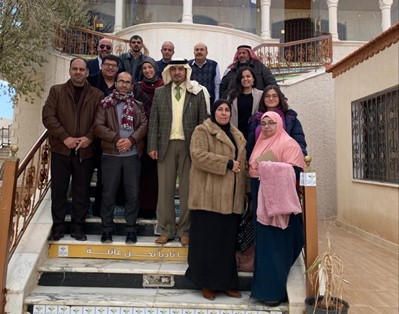
Pictured: Karak's Local Prevention Network
In Jordan, SCN’s work became a pioneering model for local resilience, addressing push and pull factors that lead youth toward violent ideologies. Recognizing that radicalization does not occur in a vacuum, the network launched Local Prevention Networks (LPNs) in Irbid, Zarqa, and Karak—three cities where economic hardship, political disenfranchisement, and social tensions had created fertile ground for extremist recruitment.
LPNs serve as multi-stakeholder platforms, bringing together mayors, municipal officials, civil society actors, law enforcement, educators, and religious leaders to collaboratively design and implement local strategies for preventing radicalization and violence. By prioritizing community-led solutions and capacity-building, SCN helped shift Jordan’s counter-extremism efforts from a reactive, security-centric approach to a proactive, community-driven model.
However, as these networks expanded, a critical gap remained—youth voices were still missing. Despite discussions on how to prevent youth radicalization, young people themselves were rarely part of the conversation. The assumption that youth should be protected from extremism, rather than empowered to prevent it, had to be challenged.
Focus Group Discussion in Karak with students of grades 10, 11, and 12 in collaboration with Karak Greater Municipality
Just as the Strong Cities Network (SCN) model was gaining traction in Jordan, the COVID-19 pandemic disrupted everything. The entire country went into lockdown, forcing an abrupt halt to in-person engagement, delaying critical programming, and exacerbating feelings of isolation, particularly among young people who were already struggling with issues of identity, belonging, and resilience in the face of extremist narratives. The pandemic presented a significant challenge: How could efforts to build social cohesion and prevent violent extremism continue in a world that had suddenly gone virtual?
At this time, the Strong Cities Network team in Jordan had to rapidly adapt to ensure that dialogue and prevention efforts did not come to a standstill. This necessity led to the creation of the “Diwaneyat Initiative”, a series of virtual discussions inspired by the “Diwaniya” tradition—an integral part of Arab culture where communities gather to exchange ideas, debate pressing issues, and strengthen social ties. Reflecting this spirit of open dialogue, Diwaneyat provided a platform to sustain engagement and tackle key challenges in social cohesion and extremism prevention. These sessions, held in partnership with the West Asia-North Africa (WANA) Institute, brought together experts, community leaders, and youth to explore the role of moderate religious discourse in preventing extremism, the impact of violence on social cohesion and peace, and the influence of family and media in countering extremist narratives.
However, the real foundation and the majority of this work was relationship and trust-building. Meaningful engagement in a virtual space was not just about organizing discussions; it was about ensuring that participants felt heard, valued, and empowered to contribute during times of unprecedented uncertainty. Trust had to be cultivated not only among youth participants but also between municipalities, civil society organizations, and religious leaders—many of whom were engaging with one another in new ways for the first time. Without this groundwork, even the most well-designed initiatives would have struggled to gain traction.
By transforming challenges into opportunities and making trust-building the core of the engagement model, meaningful connections were built and sustained even in uncertain times. This experience reinforced a critical lesson: Preventing violence and extremism is not just about designing or implementing programs—it is about investing in people, fostering relationships, and creating a sense of community that drives real, lasting change. Yet, while these virtual engagements succeeded in sparking dialogue, it became clear that conversations alone were not enough. Young people needed more than just a platform to speak—they needed ownership over the solutions being proposed. This realization led to one of the most significant evolutions in SCN’s work in Jordan: the launch of the Youth Civic Action Academy (YCAA). Designed to equip young leaders with the tools, skills, and agency to drive change, YCAA ensured that youth were not passive recipients of programming but active architects of their communities' future.
Debate and Leadership Training in Karak
The Youth Civic Action Academy (YCAA) began as an idea that was discussed within prevention and counter-extremism circles and proposed by passionate partners who recognized the need for deeper youth engagement and were committed to the message. During the first two years of its development, the Institute for Strategic Dialogue (ISD)’s team worked alongside partners to ensure that the program received the necessary resources. It was designed to reflect youth-driven leadership, championing its potential, leveraging the innovative ideas of those on the ground, and advocating for youth-led approaches in prevention efforts.
While traditional counter-extremism approaches often position youth as passive beneficiaries of policy interventions, YCAA flipped the script. Instead of merely consulting youth, it made them the architects of change. YCAA was not just a program—it was an innovative governance model that redefined youth engagement as a mechanism for resilience and community empowerment.
At its core, YCAA aimed to fill one of Jordan’s most critical gaps in prevention efforts—the absence of youth leadership in decision-making spaces and processes. Through targeted capacity-building, hands-on project implementation, and structured mentorship, YCAA trained over 60 young leaders from Zarqa, Irbid, and Karak. These young change-makers were not only active in-person but also drove engagement on social media platforms they created and led, transforming them from mere participants into fully empowered civic innovators.
What set YCAA apart was its bottom-up approach—youth-led from start to finish. The academy equipped these young leaders with the tools to counter disinformation, hate speech, and social division—issues often exploited by extremist groups to radicalize marginalized youth. Beyond mere skill-building, YCAA offered a dynamic yet structured framework for youth-led initiatives. This ensured that young people were not just reacting to challenges in their communities but were also proactively shaping context-specific solutions.
Youth Civic Action Academy Capacity Building in Action
By embedding youth agency into SCN’s work, YCAA transformed the overall model. It addressed key vulnerabilities often exploited by extremist groups—lack of identity, isolation, and disempowerment—by offering youth purpose, belonging, and ownership. In doing so, it created a more dynamic, sustainable model for bottom-up engagement. This was not youth engagement for the sake of optics; it was youth leadership in action.
The success of the Youth Civic Action Academy is more than a milestone—it is a testament to the power of iterative change. In today’s world, success is not a single breakthrough but a continuous process of learning, adapting, and refining. When it comes to youth leadership, meaningful change does not happen in a vacuum. It demands active, sustained engagement with local voices—voices that are not only heard but are embedded into decision-making.
Under the Strong Cities Network, a range of innovative models have emerged to promote youth leadership and prevent hate, extremism, and polarization. For example, while the Youth Civic Action Academy in Jordan empowered over 60 young leaders through targeted capacity-building and real-world project implementation, similarly, the Young Cities initiative, which operates under the umbrella of the Strong Cities Network, offers a practical guide to youth capacity building, showcasing how cities can harness the potential of their youth to counter hate and extremist narratives. Local youth councils across member cities—from Tétouan in Morocco to Toronto’s Youth Cabinet in Canada—provide platforms for inclusive participation, ensuring that young people have a real say in shaping policy and community initiatives.
The path forward is clear. We need constant investment, full ownership, and an unyielding commitment to letting youth lead the way. This is not about quick fixes or one-off projects—it is about building ecosystems where young people are not just in the room where it happens; but indeed, are the ones driving the conversation and shaping the future. Jordan’s young leaders—and those from cities across the globe—have already shown what is possible. Now, the world has to stand up, listen, and act decisively. Will we harness the raw power of youth? Will we push forward to transform communities, tear down hate, violence, and build a future defined by resilience and unity? Bold action is no longer optional—it is our only path forward.

Photo Credit: CFJ-EN & © Simon Blackley
Since 2019, the Child Friendly Justice European Network (CFJ-EN) is composed of 35 members in 18 European countries. Members of the Network are non-governmental organizations, individual experts, and academia. They all contribute to making justice systems more accessible to children involved in family matters such as divorce or adoption, in administrative justice for nationality or immigration issues, or in criminal justice as victims, witnesses, or (alleged) perpetrators of crimes.
A key principle of CFJ-EN is to empower children and young people as co-creators of justice systems, rather than passive participants. Engaging with the justice system remains a challenge for many children, and their direct involvement ensures that solutions are inclusive, accessible, and truly child-centered.
Children with lived experience of justice systems possess invaluable insight into the barriers they face, and the changes needed. CFJ-EN creates platforms where their voices are heard, respected, and implemented into policies and reforms.
CFJ-EN’s commitment to child participation is reflected in its core activities:
1. Young Justice Transformers (YJT): CFJ-EN supports young advocates across Europe, enabling them to influence European policymakers and practitioners, engage in seminars, and shape justice reforms.
2. Child Justice Caravan: This initiative brings together Young Justice Transformers to meet European policymakers, share their perspectives, and advocate for child-friendly justice. Participants receive advocacy training, visit European institutions, and engage in knowledge exchange with stakeholders. The editions have already taken place in 2023 and in 2024.
3. Storybook: A publication featuring creative expressions from children and young people with lived experience of the justice systems. This initiative amplifies their voices and raises awareness among policymakers and practitioners.
4. Advocacy and High-Level Meetings: CFJ-EN organizes annual advocacy events, such as the Child Justice Caravan and the Annual Seminar. In 2024, young activists contributed to discussions on climate justice, influencing stakeholders and later addressing the Council of Europe Strategy on the Environment.
The impact of CFJ-EN’s initiatives is evident through the positive feedback and long-term engagement of participants. Many young advocates have expressed their commitment to continuing advocacy for child-friendly justice and even pursuing careers in the sector. On a more personal level, we have seen children regain their confidence, feel more at ease speaking, and feel valued.
Joana from Strasbourg, who participated in the Child Justice Caravan in 2024, commented, “I have learnt so much from the stakeholders we met as well as from my fellow participants whose powerful stories left a lasting impression on me. I expanded my knowledge of the European institutions as I had the rare opportunity to see how they work firsthand. I am beyond grateful for this experience and wholeheartedly hope this project has been a small step towards making Europe a better and more just place for children and young people.”
After participating in the CFJ-EN Annual Seminar in 2024, Gabor from Brussels reflected that “the lesson of these last two days is that we can learn from each other. Youth can learn from the experts, but also the experts from the youth. Never forget the importance of discussion. We need you, and you need us to act.”
CFJ-EN remains committed to ensuring that child participation is at the heart of justice reform. By creating more opportunities for youth engagement, the creation of a Child & Youth Advisory Board, expanding its network to young members as Friends of the Network, and strengthening advocacy efforts, CFJ-EN continues to work towards a truly child-centered justice system across Europe.
For more information, please contact Mariama Diallo, CFJ-EN Coordinator, at mariama.diallo@cfjnetwork.eu.
Early childhood experiences, including learned habits of coping with stress of violence, have a lasting impact. It is important for all members of the community recognize this and that institutions like schools—which can serve as safe physical spaces as well as places of discovery, learning, and training—are supported in their work.
Supporting educational institutions and embedding them further in their communities can encourage partnerships that allow youth to develop their identities, independence, and healthy ways of coping with stressors. Much work in youth violence prevention builds on the development of relationships with trusted people and on the opportunities afforded by education, vocational training, and employment, which can also bring a positive sense of identity and belonging. While preventative work is always challenging to fund, the social and financial benefits of investing in youth early are considerable, both in preventing the social costs of violence as well as the financial burden of the criminal justice system.
In cases where youth do interact with criminal justice systems, those systems should remember that youth have different thought processes, needs, and potential than adults. When working with youth, it is important to preserve a sense of accountability while providing the foundations for a future life. These include not only educational and vocational opportunities, but also support services and the possibility of erasing a history of limited criminal activity should not be dismissed, given the disruptive cost of preserving such a history to the youth in question.
There is a need to better connect research around mental health and the effects of trauma on the brain with the workings of the criminal justice system to mitigate the potential for further harm.
Across the spectrum of work, parties engaging in youth violence prevention and criminal justice reform should ensure that all partners—regardless of professional background or role in a particular initiative—share a common vision, approach, language, and understanding of the factors that can contribute to youth challenges. This also means ensuring that leadership colleagues are prepared to engage with and respond to local community needs, hopes, and fears, including by having a historical understanding where appropriate
Finally, this report, in line with the discussions informing it, focused primarily on young men, but it is worth reiterating that young women also experience violence and can take lead roles in preventing it. They are not exclusively victims or guardians, however. Gender stereotypes can reinforce unhelpful responses from violence prevention organizations or even the criminal justice system itself and should be considered carefully going forward.
Several Fellows from the Global Innovations on Youth Violence, Safety and Justice initiative have been additionally featured on the Salzburg Global website. Please read more below.
A whole systems approach can help us tackle youth violence, according to Salzburg Global Fellows
‘Adult crime, adult time’? Five experts debunk the need to be tough on crime—and propose impactful alternatives
Sofía Frech does not hide her enthusiasm as she speaks about the project that has become her passion: Fundación Reintegra.
Making hand gestures as she speaks to Salzburg Global Seminar via Zoom, Frech gushes about the Mexican nonprofit that has helped over 80,000 juvenile offenders reintegrate with society while keeping other at-risk youths from falling into crime.
“We pick up these guys when they are before the judge, who allows them release on parole as long as they join a reintegration program. Part of our job is to convince them to come with us,” says Frech, an innovation in education advisor for the 35-year-old organization to which she brings decades of experience in both university teaching and educational research, and the public sector.
Around 200 young men and women take part in the program each year, some for three months, others for the full 12. This number of participants could be higher if so too were resources, Frech points out.
Based in one of the poorest and most violent districts of the capital, Mexico City, Fundación Reintegra built on its history of working with juvenile offenders to address their lack of job opportunities. Since 2013, they have offer programs in practical skills like baking and screen printing, which are run by community members alongside 50 employees and volunteers, most of them psychologists.
“There are no police and everyone is called by their [first] name,” Frech proudly stresses.
Besides individual and family therapy, recreational activities, education, and basic skills training, the program includes accompaniment during interrogation.
“Many kids are raped, mistreated, or extorted during questioning,” Frech explains, emphasizing that most of them are “invisible” to society.
“These guys come from places where they didn’t exist for anyone, where no one cared about what they did, and what we try to do here is make them realize that they matter to the rest of the world… So, as soon as they arrive, they are treated as people.”
She brands the program a “transformation” process.
When teenagers join Reintegra, “they don’t care about schedules, don’t wash their face or brush their teeth, and are always late... They think only about themselves.”
But, as the months pass, they gradually change, and some even end up launching their small business once they leave, as they are allowed to continue using the NGO’s humble facilities for that purpose.
“Many don’t reoffend,” Frech assures. However, the main weakness of the program is its lack of documentation and measuring of its own impact due to budget constraints.
Despite the limitations of the program, there are still certainly many learnings to share from it—as Frech did as part of Salzburg Global Seminar’s Global Innovations on Youth Violence, Safety and Justice initiative, alongside 66 other youth justice advocates from 18 other countries.
“These guys come from places where they didn’t exist for anyone, where no one cared about what they did, and what we try to do here is make them realize that they matter to the rest of the world… So, as soon as they arrive, they are treated as people.”
– Sofía Frech
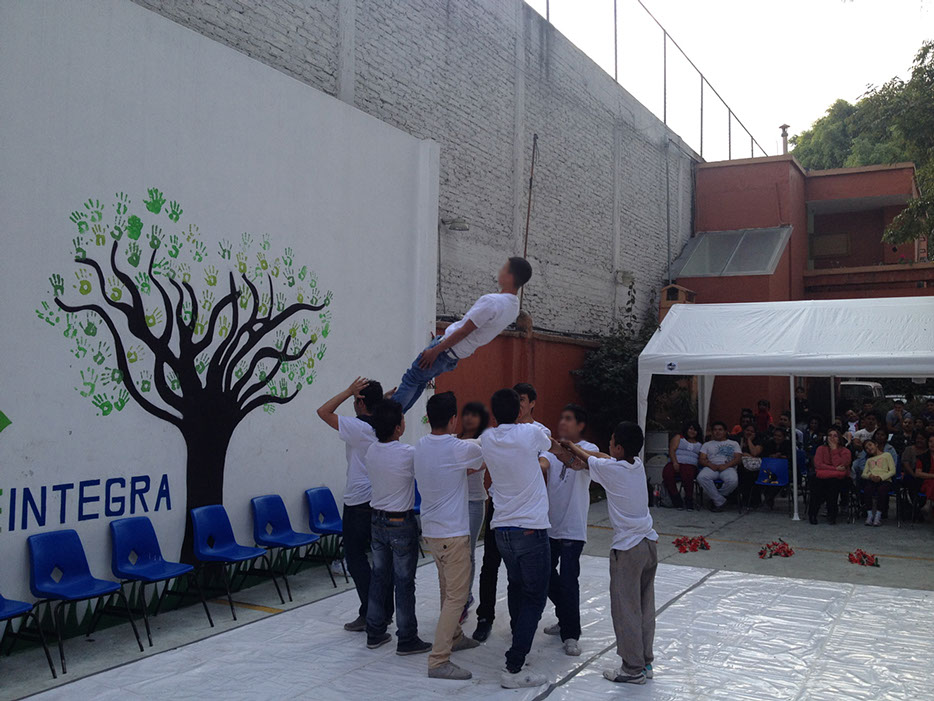
Despite the success of non-traditional alternatives like Fundación Reintegra, most of Mexico’s youth justice is still punitive. This is also the case for its neighbor to the north, the United States—another country represented in the Salzburg Global initiative.
“Up until very recently, youth who were tried in our adult criminal justice system were subject to the more extreme penalties, including death penalty and life without parole,” explains Marsha Levick, a nationally recognized expert in American juvenile law, a decades-long advocate for children’s and women's rights and a Salzburg Global Fellow.
The chief legal officer and co-founder of Juvenile Law Center has participated in numerous cases before the United States Supreme Court, including several recent sentencing cases challenging certain extreme sentences for youth.
“One of the things that we have to recognize about intervening in kids’ lives when they become involved with the justice system is that there are multiple ways in which that system can scar the lives of children going forward,” Levick warns.
“There are instances too frequently in the United States where kids are subject to solitary confinement, and they are at risk of physical abuse within some of these facilities. We’d like to think that things are getting better—and yet these stories continue to pop up.”
That trauma can have disastrous consequences further in their lives, so alternatives to imprisonment are a way to prevent future engagement in crime.
“Exposure to violence during the childhood and youth years, when the brain is still developing, is a major factor that increases the chances of violent acts later in life,” says Michal Gilad, a visiting fellow with the National Prevention Science Coalition to Improve Lives.
Gilad’s work addresses the extent, scope, prevalence, outcomes and costs of childhood exposure to crime and violence.
“The problem is so widespread. Data show that over 60% of children are exposed to, at least, one form of direct or indirect violence before age 18,” she adds.
“It means that every single child is more likely than not to be exposed.”
“Exposure to violence during the childhood and youth years, when the brain is still developing, is a major factor that increases the chances of violent acts later in life.”
– Gilad Michal
“Our path to developing a more humane system for youth who are involved with either the juvenile or the adult criminal justice system is really to look to developmental science and research and to recognize in a very fundamental way that kids are different,” Levick highlights.
That led her, back in the 1980s, to join forces with Barry , one of the US’ leading scholars of juvenile justice and a pioneer in drawing on psychology and neuroscience to prove youths’ reduced criminal responsibility and diminished competence.
Later, they would lobby the United States Congress to modify laws and improve the delivery of legal services in juvenile courts, and they have continued to work together on issues associated with quality of justice.
“Three characteristics of kids bolster these conclusions that they have reduced criminal responsibility: immaturity and impulsivity, susceptibility to peer influences, and transient personalities that are not fully formed,” Feld explains. Feld, like Levick, Frech and Gilad is now taking part in the Global Innovations on Youth Violence, Safety and Justice initiative.
“Kids think differently than adults, are more likely to emphasize short term over long term, have different calculations for risk assessment, and are much more likely to emphasize short term gains over long term losses.”
“Those differences require that we approach even their criminal offending very differently than we might approach that of adults, and so it has oddly been a path out for us from what has, as I said, historically been quite a punitive system towards kids,” Levick adds.
Research from the MacArthur Foundation, a funder of the Salzburg Global initiative, shows that juveniles and young adults are impulsive, particularly under conditions of emotional arousal, because their brain is not yet fully mature and will not fully develop “until sometime in the early to mid-twenties”.
According to Feld, “the neuroscience basically has bolstered what we already knew: kids do stupid, reckless stuff without thinking about the consequences, and now we know that it is in part because their brains don’t work right.”
That is why, after authoring 11 books and 150 articles, he is an advocate for what he calls the “youth discount”: “short sentences for short people.”
Namely, children should get significantly shorter sentences because of their diminished criminal responsibility.
The seriousness of the crime, Feld argues, is the product of two factors: the harm caused and the culpability of the actor in producing that harm.
“The harm is the same whether mugged by a 15-year-old or a 25-year-old, but the culpability is different because of differences in both the developmental psychology and the neuroscience.
“And because of that reduced criminal responsibility, kids’ crimes are by definition less serious, that is to say, they are not as culpable.”
However, as Levick recalls, “there’s not a consensus, sadly, about how we should treat children in the justice system.
“There continues to be a view among some law enforcement and among many prosecutors and district attorneys that children should pay a heavy price for criminal conduct that they become involved in.”
“The harm is the same whether mugged by a 15-year-old or a 25-year-old, but the culpability is different because of differences in both the developmental psychology and the neuroscience.
“And because of that reduced criminal responsibility, kids’ crimes are by definition less serious, that is to say, they are not as culpable.”
– Barry Feld
“Violence is a learned behavior,” Gilad points out. “And there is really good evidence that interventions early on, either therapeutic or counseling, that help process the trauma, can make a huge difference and decrease this risk [of becoming violent] substantially.”
“It’s often ignored that doing nothing costs us a lot of money because there is so much damage, not to mention the negative outcomes of exposure to violence in early years are so vast and expensive that they actually affect every single facet of the individual and community life.”
Physical and mental health are likely to be damaged by repeated exposure to violence, the US-based Israeli expert remarks.
“Health conditions that you wouldn’t even think about, like heart and lung conditions, cancer, sexually transmitted diseases; just a very broad range of health conditions that will not necessarily immediately show up… When you go to mental health, you add anxiety, depression, post-traumatic stress disorder, and on the other end of the spectrum, you have aggression and difficulty controlling anger.”
Other outcomes include “vulnerable immunity, acting out, attention problems, dissociation, disconnecting with things going on around you, and attachment problems—difficulty to attach to peers, to the parents, to the family.”
In terms of economic impact, the resulting health problems affect employability, earning capacity and productivity. Not to mention the amount of money required to treat the victims, whose condition will aggravate over time if nothing is done early enough.
“In parents who were exposed to violence when they were younger… and weren’t treated, we see the effect seeping down to their children too. And we see children affected by proxy even when they are not aware at all of the parent’s exposure,” Gilad warns.
“Kids and young people who grow up without proper education, surrounded by addiction, are not going to contribute anything positive to the community and society,” emphasizes Teresita Escotto-Quesada, a former United Nations official who devoted years to several national projects on youth development and prevention of violence, mostly in Central America and the Caribbean.
The Mexican expert, who was part of UNESCO between 1995 to 2014 and has also joined the Salzburg Global initiative, stresses “the cost of helping this population” living in marginalized communities with violent backgrounds, as well as the “material damages and harm to others, to the victims.”
“Our calculation,” Gilad assures, “showed that in the United States alone, we are nearing a cost of $500 billion every single year.”
Early, non-punitive intervention is thus crucial to reduce those skyrocketing figures.
And initiatives like Sofia Frech’s Fundación Reintegra are a powerful kickstart.
So too is UNESCO’s Open Schools program, which Escotto-Quesada has supervised in several countries across Latin America and the Caribbean.
The UNESCO program consists of literally opening up schools, particularly at weekends to offer the entire community access to educational, cultural, sports, leisure, and income-generating activities.
“That helps them feel like they are part of something,” Escotto-Quesada explains.
In partnership with the Brazilian government, UNESCO launched Open Schools in Brazil in 2004. By 2010, it had been implemented across 4,000 schools in the country, serving approximately four million Brazilian children. It has since been adopted in Argentina, El Salvador, the Dominican Republic, Guatemala, Honduras, and Nicaragua, with “workshops to improve self-esteem, to make people feel important and worthy,” in Escotto-Quesada’s words.
In Guatemala, the weekend workshops are chosen by participants and organized with the support of the Presidency.
“It’s about what the people there want—you can’t come and impose anything on them. If they want to learn hip-hop, then a hip-hop class is organized; if they want to learn how to play chess, a member of the community who knows how to play will be sought out to run a workshop.”
The sociologist claims that, when it started in 2000, the program was as cheap as a dollar per participant.
“It was found that after some time, violent activities among the youth started decreasing. They would get along better with each other, behave better in class, and weren’t violent with teachers anymore.”
“Kids and young people who grow up without proper education, surrounded by addiction, are not going to contribute anything positive to the community and society.”
– Teresita Escotto-Quesada
“There is hope,” Escotto-Quesada goes on. “Youngsters are often stigmatized: ‘He or she is dangerous, don’t give them a job.’ No, no, no! Emphasis must be placed on them because if not, they are lost generations.”
Now an independent consultant, she highlights the importance of primary crime prevention, which is directed at stopping the problem before it happens.
“Primary prevention is the easiest and the cheapest, but does not have an immediate political impact… As the effect is long term, it doesn’t pay off politically.”
A “get tough on crime” policy often does pay off politically—but with no positive outcome.
“Many young people end up in jail for a minor offense… and have almost no opportunities for rehabilitation,” she laments.
What needs to be avoided is that “young people come out with a ‘specialization’ in crime,” and that instead they come out “recovered in order to healthily reintegrate with society.”
A low self-esteem and educational level, schools that do not make them feel protected, the lack of public spaces to socialize, and a group of friends that is not positive are a few of the risk factors paving the way to a violent path.
“You see more involvement with gangs because gangs provide protection,” Gilad explains. “It gives you some security and maybe helps you to feel less vulnerable to the threats coming from the outside.”
There are also “strong correlations between poverty or poor economic state, unemployment and violence,” she observes.
And Feld knows the reason: living in poverty, with exposure to violence and inconsistent parenting, is highly stressful. “High levels of stress produce cortisol, which also affects brain development and makes kids hypersensitive and reactive… That is creating the population at risk,” he points out.
Some impoverished communities are stigmatized and discriminated against by the rest of society and the state—a root of the problem that cannot be ignored.
“Too many people are treated unfairly, too many communities are marginalized,” says Levick.
“Communities of color, in particular, are simply not treated equitably and are subject to a significantly greater degree of surveillance by law enforcement and intervention by law enforcement.”
“High levels of stress produce cortisol, which also affects brain development and makes kids hypersensitive and reactive… That is creating the population at risk.”
– Barry Feld
“Children make mistakes and they can make really tragic mistakes,” Levick asserts.
But, as Escotto-Quesada asserts, “they are also victims themselves.”
“Of a family who doesn’t pay attention to them, who has taught them to live surrounded by violence, of a community and a state that don’t care about them… They feel the exclusion and that shows in violent attitudes.”
Given the widespread systemic injustice and the heavy investment required to lift these marginalized communities out of poverty, the “dire” background many of these at-risk youths experience, as Feld described it, will probably unfortunately remain unchanged. In the interim, they need the resources to cope with and learn from their lived experiences.
“They will continue to live in the same neighborhood and go to the same school. You can’t change the context, but you can give them the tools to face it,” Frech says, raising her voice.
She is struggling to find the money to expand Fundación Reintegra, replicating its success across Mexico.
“There’s this phrase that I hate, that ‘they are like this because that’s what they want’. It’s the worst phrase in the world.
“They don’t have options!”
Funding alternative prevention schemes, however, would give these young men and women new opportunities.
Over the course of five years, from January 2021 to December 2025, the virtual and in-person meetings of the Global Innovations on Youth Violence, Safety and Justice initiative successfully identified and consolidated promising interventions across countries and challenges, addressing and identifying common themes around education, identity, opportunity, community, and supportive services (including therapy) as key ingredients in youth violence prevention and intervention efforts. The program's legacy continues through established networks and tangible outputs.
The five years of dialogue among the international cohort of Salzburg Global Fellows demonstrated that addressing youth violence, safety and justice requires a cross-sectoral, collaborative approach—no single agency, sector or level of government can make sufficient, substantial or sustainable progress alone. What was clear from the multi-year conversations is that addressing youth violence requires a cross-sectoral, collaborative approach rooted in relationships rather than transactions.
The five key insights that follow reflect the central takeaways from the session held in December 2025 on “Advancing Youth Safety and Justice: Transformative Policies, Community Solutions, and Accountable Practices.” This gathering brought together experts, youth leaders, and those with lived experience of the justice system to address how systems must evolve to handle emerging digital and environmental risks while remaining grounded in lived experience and empathy. The focus of this final session was the consolidation of concrete, actionable outputs, moving from exploration to alignment in order to accelerate meaningful systems change.
Precise, accessible language is vital across all sectors to counter harmful stereotypes and misinformation. By reframing narratives, we can shift institutional culture away from "soft on crime" perceptions toward a focus on human dignity. Effective storytelling directly influences resource allocation and drives the systemic change necessary for sustainable reform.
What’s needed:
Meaningful reform requires centralizing youth voices in policy frameworks and implementation. Systems must prioritize evidence-based developmental science and child-centered approaches, such as those utilized in Brazil, to elevate lived truths over deficit narratives. Mobilizing youth leadership ensures that those most affected by justice systems are architects of their evolution.
What’s needed:
Innovation in justice begins with empathy and a commitment to understanding the "why" behind behavior. Instead of relying on punitive reflexes, practitioners must prioritize root causes, trauma, and community contexts. Challenging labels that define young people by a single action allows for a more nuanced, trauma-informed approach to safety and healing.
What’s needed:
The complexity of modern justice requires multi-disciplinary partnerships between policymakers, practitioners, youth, and corporations. Drawing inspiration from global case studies and cross-country learning strengthens the “whole systems approach.”
What's needed:
The conversations and workshops that took place in 2021 formed Phase 1 of the Global Innovations on Youth Violence, Safety and Justice initiative. Following this initial groundwork, Salzburg Global brought the core network of participants together in Phase 2 through a structured sequence of virtual and in-person programs, navigating the complexities of the post-pandemic landscape in 2022.
Stakeholders identified and spearheaded global examples of violence reduction, evaluating interventions in four specific fields:
The final convening served as a critical platform for the initiative’s five working groups to solidify their collective legacy and transition from theoretical discussion to tangible, action-oriented outputs.
The primary mission of the "Toolkit for Change" working group is to create a practical, youth-friendly guide to help young people, including those who have been through the justice system, lead the way in understanding and reforming how those systems treat children. The core of this work is the development of an interactive online platform designed specifically for young people to learn all about their rights. Grounded in international standards like the UN Convention on the Rights of the Child, the platform translates complex legal and policy frameworks into plain, relatable language. By providing a clear explanation of rights, the group aims to help young advocates recognize when justice systems are falling short and give them the tools to take safe, informed action for change.
During the 2025 session, the group focused on narrowing its scope to ensure the platform offers something unique that does not yet exist in the youth justice space. A major priority was ensuring the content is digestible and avoids heavy jargon that can lead to disengagement. The group worked on an "ecological" approach, examining how the systems around young people affect their safety and ability to be heard. Key progress included the development of "community conversations" to bridge gaps between young people, elders, and the police. By focusing on finding common ground and connection, the group aims to challenge the narrative that many youth feel - that their fate is already decided - and instead provide a roadmap for self-empowerment and safety.
The primary output is an interactive online platform that guides a young person through every key moment, or module, of the justice process, from their first contact with authorities to the sentencing phase. The group’s vision is to provide a "one-stop" guidance platform that includes:
The next steps for the group involve drafting the content for each “module”, developing the tools to be included, building partnerships to create and promote the platform, and identifying opportunities to integrate these resources into national curricula worldwide. The "Toolkit for Change" is designed to be accessible, visible, and easy to implement by advocates everywhere, ensuring that the right to participate and express one's views is a reality for all children.
The Law Reformers group is a transnational working group composed mainly, but not exclusively, of lawyers. Its focus is on law reform as a means to transform criminal legal systems that address and interact with children into child- and youth-centered justice systems that promote healthy development, healing, and positive life outcomes, as well as community safety and well-being.
The group has a particular interest in how legal concepts such as children’s rights, human rights, and criminal law principles, as well as scientific findings on brain development and developmental psychology, can inform and advance systemic legal reform. The group commits to exploring and discussing how lessons learned from jurisdictions where some progress in this direction has already been made, especially those that strive to comply with international human rights standards in this field, can aid and inform reform efforts in jurisdictions facing substantial challenges (as in the United States). The group is also interested in how international collaboration and communication can build communities of resistance to national and geopolitical polycrises, to promote and advance a better quality of justice for children and youth. Our aim is to promote discussion and brainstorm ideas that can support the development of a toolkit to inform local, national, and global responses.
During the 2024 and 2025 sessions, the group leveraged the diverse expertise of Salzburg Global Fellows to develop individual/collaborative topics in this broad area. This collaborative process allowed the group to test the applicability of their frameworks across various global contexts. Key progress during the residency included:
The primary output of the Law Reform group is the development of a curated collection of thinkpieces: short, anchored essays exploring the promises and challenges of law reform in youth justice. Unlike a static report, this is designed to be a living "bank" of knowledge that continues to grow. Current and future deliverables include:
Looking ahead, the group is entering a six-month window for final synthesis and is actively inviting others to contribute their own think-pieces to the collection. To sustain this work beyond the program, the group is focused on fundraising and seeking partners who can help disseminate these findings internationally, ensuring that the legal tools developed here can be utilized by advocates and policymakers worldwide to advance the rights of children.
The Learnovators AI working group exists to critically examine the growing influence of artificial intelligence on youth justice and safety. Its purpose is to explore both the transformative potential of AI and the systemic risks it introduces, fostering a balanced and informed understanding of how emerging technologies are reshaping youth justice, safety, and related systems.
Central to this work is the creation of an online knowledge repository that examines the intersection of youth justice, safety, and AI innovation. The repository features contributions from subject matter experts, offering nuanced insights into how AI intersects with their broader fields of practice. By examining real-world applications alongside ethical and structural challenges, the group aims to support thoughtful, responsible use of AI as a tool for system strengthening.
Over the course of the multi-year program, the group’s strategy evolved significantly. Initially envisioned as a curriculum-mapping tool, the project transitioned into developing a comprehensive online repository and knowledge hub. This shift reflects the need for a more flexible, living resource that captures the rapidly changing AI landscape.
Each group member contributes expertise from distinct professional domains, such as education, workforce development, and justice, adding depth to the repository through written insights and monitoring live, real-world case studies.
The primary tangible outcome of this work is a digital platform designed as a “one-stop shop” for practitioners, professionals, and communities working at the intersection of AI, youth safety, and justice. A core focus of the platform is addressing the training gap that affects how institutions serve young people and their communities.
The platform includes:
The roadmap for the coming year is structured in two phases:
Learnovators AI is actively seeking partners to help strengthen relationships, provide feedback, and contribute expertise. Stakeholders are invited to submit presentations, documents, and white papers to the platform. To realize the long-term vision of the AI companion and a fully integrated “one-stop shop,” the group welcomes collaborators who can offer skills, resources, and partnership ideas to ensure these innovations meaningfully support youth safety and justice.
This working group focuses on creating the specific conditions conducive to transforming the ways youth safety and justice are approached. Rather than attempting to force immediate systemic change, this group’s aim is to provide a blueprint for making comprehensive transformation more likely. By embedding the principle of "nothing about us without us" into systems, the group aims to invest in and share power with directly-impacted people and communities. This includes making financial support readily available and building the skills, social capital, and credibility of those most affected.
A significant breakthrough during the 2025 session was the realization that narratives shape the range of possibilities that are conceivable, and therefore play a foundational role in promoting or hindering transformative efforts. Equally, the group moved from theory to an ideal methodology that addresses systemic failures to increase the collective willingness to take risks on new approaches. Key strategic shifts include:
The primary output of the group is a multi-layered blueprint designed to make systems transformation more likely. Rather than seeking "perfect answers," the group is developing mechanisms for institutional accountability and community co-creation. To achieve this, the team is seeking partners who offer "convening power" (banks, universities, media) and researchers who can provide the evidence needed to bridge the gap between people and power.
The primary mandate of this working group is to analyze the socio-political and economic factors that drive global youth involvement in gangs and organized crime. The group operates on the premise that current justice systems are often static, while the nature of crime is rapidly evolving. By examining how criminal organizations exploit systemic inequities around the world, and how state actors sometimes fail to protect at-risk youth, the group seeks to identify strategies that build community resilience. The core vision is to shift the focus from the "offender" label to the "child" reality, ensuring that no search for connection, survival, or belonging becomes an inevitable pathway into crime.
During the 2025 session, the group functioned as a global laboratory, identifying commonalities and distinct trends across various regions. This comparative approach revealed that while the "why" behind recruitment is often rooted in structural failure, the "how" varies significantly by geography:
A major breakthrough in the group's progress was the recognition that "access to justice" is currently weighted toward the "perfect victim," often ignoring those whose involvement in crime is a direct result of trauma or a lack of basic resources.
The primary output of the group is a generative series of papers designed to be a living document for practitioners and policymakers. This resource is intended to stay up to date as the nature of crime changes, ensuring it remains relevant to real-world challenges.
Key deliverables include:
Next steps for the group include finalizing individual country papers and synthesizing them into a cohesive global report. The team is calling for the utilization of alumni networks and the building of a wider "ecosystem" of supporters to ensure these insights reach the people who can affect systemic change.
Beyond the Global Innovations on Youth Violence, Safety and Justice initiative, there remain many avenues for future development, ranging from the need for a broader set of allies beyond community advocates, local and national governments, judiciaries, NGOs, and academia—all of whom were represented in the Salzburg Global conversations.
Future allies for justice reform include, first and foremost, members of the law and justice systems, including (but by no means limited to) judges and judicial clerks, public defenders, law enforcement officers, and prosecutors—especially those who would be open to data-driven reforms in the face of rising crime. There is a growing sense among some “tough-on-crime” actors that the punitive system does not work; how can that discontent be harnessed to support justice reform without them dismissing such reforms as being “soft-on-crime”?
Given the role that family trauma plays in exacerbating youth violence, there is scope for allying with organizations addressing domestic violence in order to mitigate youth violence and increase youth safety. In many communities, these sorts of services—as well as other community outreach efforts—are led by churches, mosques, and other religious groups, who could also be co-opted into these prevention and wider reform efforts.
There exists a clear need to build stronger allyship among local and state governments, as well as with corporations and the private sector. Given the private sector’s resources, training expertise, and access to critical conversations, companies can play an important role in improving youth outcomes. Effective engagement with the business sector requires recognizing that, while advocates are social justice-driven, businesses are often revenue-driven. Bridging this gap requires strategic storytelling that frames justice reform as a core business expectation rather than just an individual charitable choice. The opportunities for investment range from enhancing youth training to changing employment practices. Some firms have already invested in this work, including by helping provide vocational training, mentorship, career opportunities, and reviewing hiring criteria that can be discriminatory. By identifying multiple entry points, such as corporate foundations, legal departments, and executive committees, advocates can foster a "contagious courage" in which industry leaders follow one another in making bold commitments. While these partnerships may start as transactional, they are a necessary first step in incrementally nudging the system toward broader social change.
Another key set of private sector partners could come from the technology sector. Some Fellows highlighted the influence of social media in particular. While the social media companies themselves may have differing roles and variable public perceptions as well, it was seen that, particularly from larger technology companies like Meta, owners of Facebook and Instagram, and ByteDance, known for TikTok, whose platforms today play an inadvertent role in encouraging youth violence, might be repurposed to promote more inclusive and transformative messaging.
Environmental organizations and city agencies that consider the built environment and the creation of additional green spaces should also collaborate with organizations addressing youth violence to create spaces that are not only safe but also more inclusive, centered on, and perhaps co-designed by the youth they serve. These should be accessible to all, supporting healthier lives.
There is a clear need for investment in back-office support for those working in youth violence reduction and criminal justice reform. Human resources, legal, finance, and other teams can be very expensive, but are essential to doing this work well. Engaging the private sector through pro-bono legal services can provide these essential "problem-solver" teams, though care must be taken to ensure corporate partners understand the local context and the real-time urgency of social justice needs, so they truly help rather than hinder. The development of solutions to lower these costs, be that cooperation, technical solutions, or otherwise, would free up essential resources to deliver this important work.
Similarly, partnering with customer relationship management (CRM) companies like Salesforce could unlock new possibilities for youth interventions, such as street outreach programs, which would benefit from more easily managing individuals in their systems and tracking their progress through vocational training. Similarly, the software can more easily provide and analyze data on weaknesses, e.g., frequently missed days of work. The ability to map social networks and to track patterns across individuals would benefit these organizations as they seek to improve their interventions and maximize their impact.
The conclusion of this four-year journey in December 2025 marks a strategic transition rather than a final end. What began as a series of global dialogues has turned into a resilient, cross-sectoral community, which has redefined youth justice through the lens of curiosity, empathy, unity, and authenticity. The most profound takeaway from this initiative is not found in the data alone, but in the fundamental shift from transactions to relationships. We have learned that sustainable reform requires a culture where leaders are resourced to work intergenerationally and internationally. Throughout this initiative, we have found that lasting reform is only possible when built upon a foundation of mutual trust and an openness to diverse perspectives. Ultimately, we have recognized that scientific and social research must serve as more than just a reference; it must be a catalyst for systemic change that refocuses the entire justice landscape on supporting the healthy development and future potential of every young person.
As we look toward the future, the core recommendation to policymakers, practitioners, and the private sector is to invest in the heart of the work. The cohort's tangible outputs provide the map, but the enduring global network of Fellows provides the engine. Moving forward, we must move beyond simply "studying" affected communities and instead commit to a "Child First" reality where justice systems are built on compassion rather than retribution.